Israeli lawmakers on Monday advanced a government proposal to designate June 1 as a day to commemorate the Farhud, the 1941 pogrom in Iraq coordinated by Palestinian leader Haj Amin al-Hussein.
The Commemoration Day for the Farhud Events Bill, sponsored by Likud Party lawmaker Ofir Katz, was approved for first reading and will be discussed by the Knesset Education, Culture and Sports Committee ahead of future votes.
Katz’s bill calls for the pogrom to be commemorated in educational institutions across the Jewish state in order to preserve the memory of the events and the victims and pass it on to future generations.
In addition, it instructs the Knesset to mark Commemoration Day for the Farhud Events and tasks the prime minister with instructing government authorities to organize a national ceremony.
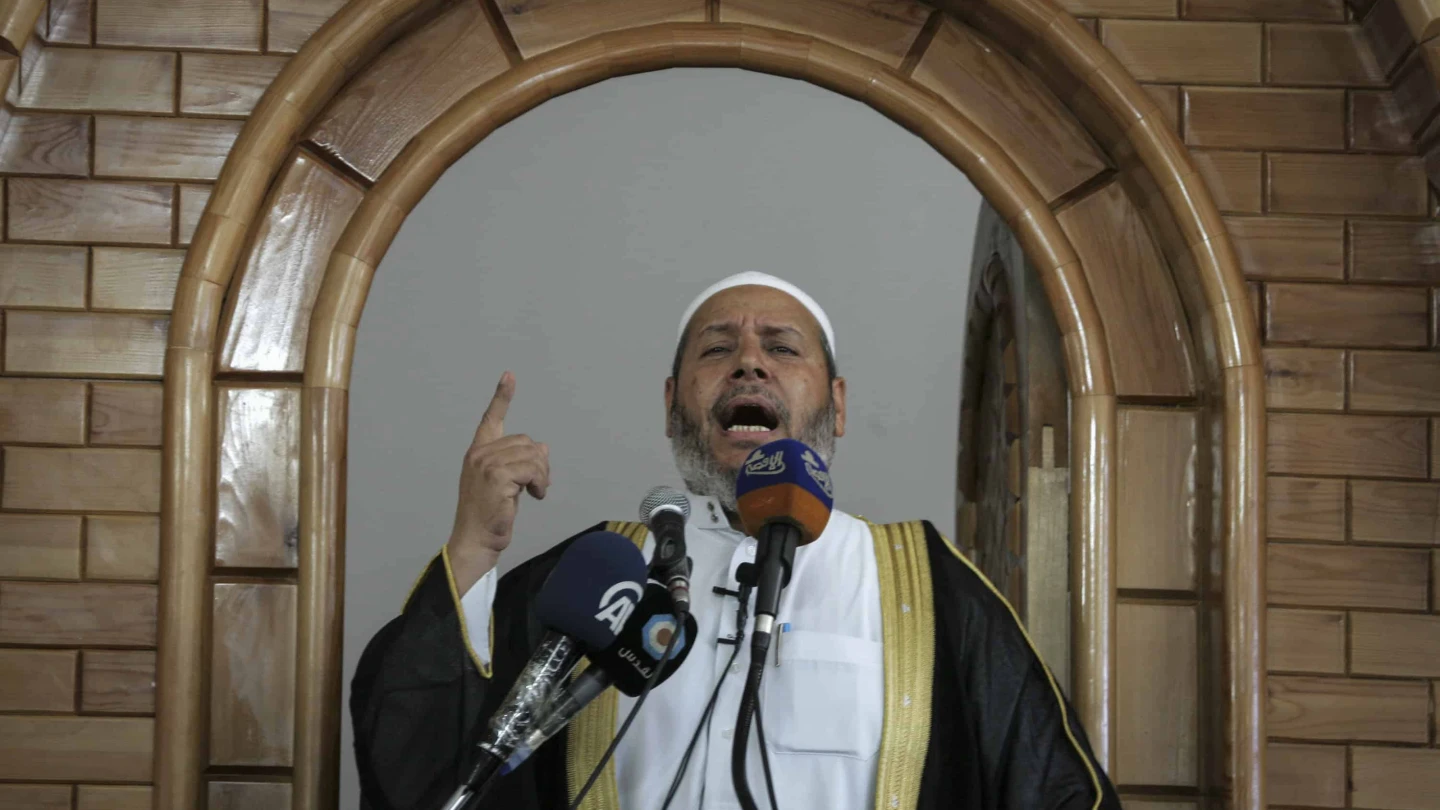
The Farhud pogrom was incited by the Nazi-allied Iraqi regime in 1941. The then-leader of the Arabs in British Palestine, Grand Mufti of Jerusalem Haj Amin al-Husseini, was deeply involved.
The explanatory notes to Katz’s bill explains, “On June 1-2 of the year 1941, Iraqi Jews were massacred in their homes, in the streets and in synagogues by rioters, fueled by Nazi propaganda. The horrific testimonies from this antisemitic pogrom describe what happened there—murder, rape, looting of property, desecration of Torah scrolls and synagogues, and marking and torching Jewish-owned shops.
“A total of 179 Jews were massacred in the Farhud riots, and their bodies were piled up in a huge mass grave. Over 2,000 people were injured and the property of 50,000 Jews was looted. The story of the Farhud is not known to the general public. Since it is incumbent upon us to remember and preserve Jewish history, it is our obligation to pass on the events that previous generations experienced.”
Also on Monday, the Israeli government gave initial approval to establish an official date to commemorate Jews murdered in antisemitic attacks in the Diaspora.
The decision came after Diaspora Affairs and Combating Antisemitism Minister Amichai Chikli established a committee to investigate the possibility of establishing a memorial day, and following requests by World Zionist Organization Chairman Yaakov Hagoel.
Hagoel told Arutz 7 on Monday, “Our brothers in the Diaspora share the fate of the people in Israel and vice versa. The decision to commemorate the Jews in the Diaspora who were murdered on antisemitic grounds strengthens the mutual guarantee and shared destiny between the State of Israel and the Jewish people in all its diasporas.”
He called it “a historic day that strengthens the unbreakable connection between all parts of the Jewish people and the State of Israel,” adding, “One people, one destiny, one memory and one future.”
According to the World Zionist Organization, nine Jews were murdered on antisemitic grounds beyond Israel’s borders over the past year.