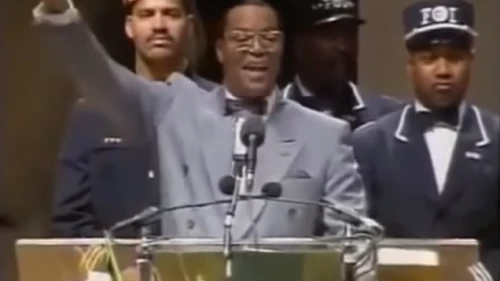
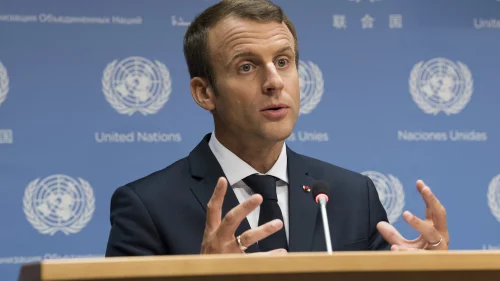
Dr. Manfred Gerstenfeld is a senior research associate at the BESA Center and a former chairman of the Steering Committee of the Jerusalem Center for Public Affairs. He specializes in Israeli-Western European relations, anti-Semitism and anti-Zionism, and is the author of “The War of a Million Cuts.”
 The unusual sight can occur during heatwaves when light interacts with clouds at very high altitudes.
 “The CMCC will continue to be mission critical to our efforts,” the international body led by President Trump said.
 The Iranian-backed proxy undermines the interests of the Lebanese people, the ministry stressed.
- The search is on-going, U.S. Africa Command said.
 “It is a great honor to welcome home a New Yorker who fought and died for our country, and the freedom and rights we have today,” said New York Gov. Kathy Hochul.
 “We’re not seeing any indication that a large part of the Jewish community supports anti-Zionism,” Jonathan Schulman, of Jewish Majority, which conducted the survey, told JNS.
 “Those responsible must be found and investigated before words turn into action,” the Combat Antisemitism Movement said.
  Calls are mounting for the University of Portsmouth to act after a history professor posted on social media that “blowback is bad, but it is also inevitable.”
 “It is unbelievable that in the 21st century, arguments worthy of the dark ages are being used to blame the victims of their own Holocaust,” the Jewish Association of Peru stated.
 Since Oct. 7, 2023, the Toronto Police Service has made “over 517 arrests and laid over 1,275 charges in connection with demonstrations, protests and hate‑motivated offenses,” its chief said.
 “Sadly, the embassy has faced various security alerts in recent times,” the Metropolitan Police stated.
 “I assume this is a different Zarah Sultana MP to the one who was recently filmed clapping along to loudspeaker chants for intifada, on a street in Surrey,” Rowling wrote.
 Mamdani shares video of keffiyeh-clad door knocker, raising questions, hackles of Jewish New Yorkers“If we had produced anything like this, I would have been fired the next day,” Benny Polatseck, who worked in the creative communications department at City Hall under the former mayor, told JNS.
 “People shouldn’t think that, ‘Oh this is not going to happen to me,’” the 32-year-old Judaic studies teacher told JNS. “It can happen to anyone walking the streets, anyone with their groceries.”
 At a Park Slope Food Coop meeting about boycotting Israel, a member, who reportedly compared Jews to Nazis, was applauded for saying that “Jewish supremacism is a problem in this country.”
 The growing distaste for the Jewish state isn’t the fault of Netanyahu or Israeli behavior. It’s driven by forces seeking the destruction of the West and beyond the control of Jerusalem.
 The author of “The Choice” urged others to choose hope and healing.
 “Ambassador Mike Huckabee is a true hero and friend of the United States, the State of Israel, the Jewish people and all people,” said Rabbi Ari Berman, president of Yeshiva University
 The director of the Jewish school said that the speed with which his staff guided the children to the bomb shelter saved their lives.
 Given enough time, a combination of economic and military pressure may be enough for Trump to topple the Islamist terrorists. The question is whether he has it.
 Israelis with contradictory views on crucial matters are never going to cease battling one another ideologically, and no constellation of musical chairs in the Knesset is going to alter that reality.
 America’s pro-Israel lobby has been written off before. The next chapter—built on technology, defense industrial integration and shared strategic competition—should be its most consequential.
 The same faulty Western logic applied to the African country is also being applied to Israel’s war against Hamas and Hezbollah.

-
The unusual sight can occur during heatwaves when light interacts with clouds at very high altitudes.
“The CMCC will continue to be mission critical to our efforts,” the international body led by President Trump said.
The Iranian-backed proxy undermines the interests of the Lebanese people, the ministry stressed.
- The search is on-going, U.S. Africa Command said.
“It is a great honor to welcome home a New Yorker who fought and died for our country, and the freedom and rights we have today,” said New York Gov. Kathy Hochul.
“We’re not seeing any indication that a large part of the Jewish community supports anti-Zionism,” Jonathan Schulman, of Jewish Majority, which conducted the survey, told JNS.
“Those responsible must be found and investigated before words turn into action,” the Combat Antisemitism Movement said.
-
Calls are mounting for the University of Portsmouth to act after a history professor posted on social media that “blowback is bad, but it is also inevitable.”
“It is unbelievable that in the 21st century, arguments worthy of the dark ages are being used to blame the victims of their own Holocaust,” the Jewish Association of Peru stated.
Since Oct. 7, 2023, the Toronto Police Service has made “over 517 arrests and laid over 1,275 charges in connection with demonstrations, protests and hate‑motivated offenses,” its chief said.
“Sadly, the embassy has faced various security alerts in recent times,” the Metropolitan Police stated.
-
“I assume this is a different Zarah Sultana MP to the one who was recently filmed clapping along to loudspeaker chants for intifada, on a street in Surrey,” Rowling wrote.
Mamdani shares video of keffiyeh-clad door knocker, raising questions, hackles of Jewish New Yorkers“If we had produced anything like this, I would have been fired the next day,” Benny Polatseck, who worked in the creative communications department at City Hall under the former mayor, told JNS.
“People shouldn’t think that, ‘Oh this is not going to happen to me,’” the 32-year-old Judaic studies teacher told JNS. “It can happen to anyone walking the streets, anyone with their groceries.”
At a Park Slope Food Coop meeting about boycotting Israel, a member, who reportedly compared Jews to Nazis, was applauded for saying that “Jewish supremacism is a problem in this country.”
-
The growing distaste for the Jewish state isn’t the fault of Netanyahu or Israeli behavior. It’s driven by forces seeking the destruction of the West and beyond the control of Jerusalem.
The author of “The Choice” urged others to choose hope and healing.
“Ambassador Mike Huckabee is a true hero and friend of the United States, the State of Israel, the Jewish people and all people,” said Rabbi Ari Berman, president of Yeshiva University
The director of the Jewish school said that the speed with which his staff guided the children to the bomb shelter saved their lives.
-
Given enough time, a combination of economic and military pressure may be enough for Trump to topple the Islamist terrorists. The question is whether he has it.
Israelis with contradictory views on crucial matters are never going to cease battling one another ideologically, and no constellation of musical chairs in the Knesset is going to alter that reality.
America’s pro-Israel lobby has been written off before. The next chapter—built on technology, defense industrial integration and shared strategic competition—should be its most consequential.
The same faulty Western logic applied to the African country is also being applied to Israel’s war against Hamas and Hezbollah.