


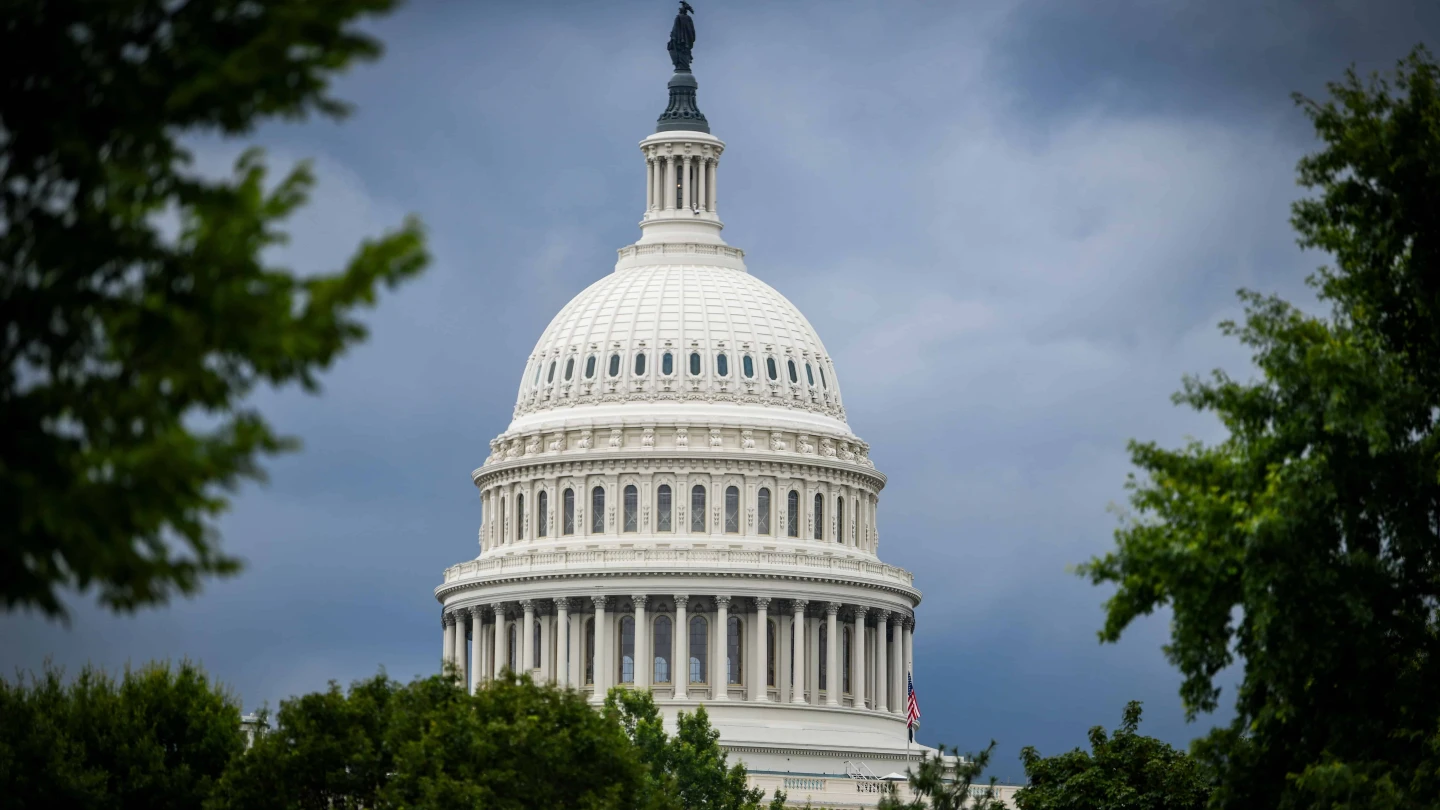




In a wide-ranging pre-election interview with JNS, Israeli Prime Minister Benjamin Netanyahu discusses his alliance with U.S. President Donald Trump; the necessity to act against Iran; expand the Abraham Accords; tackle domestic challenges, including reintroducing judicial reforms; and further strengthening the Israeli economy.


Benjamin Netanyahu, security and the battle for the nation’s right.


The joint slate is dominated by RZP candidates, with Finance Minister Bezalel Smotrich first and former Likud MK Moshe Feiglin second.

Itamar Ben Gvir campaigns on security, sovereignty and tougher anti-terror laws.

Passing a comprehensive draft law to shield yeshivah students from compulsory military service is the central demand of both lists.


Avigdor Liberman’s movement seeks secular right-wing role in post-Netanyahu government.

Party leader Yair Golan is a polarizing figure in Israeli politics, even as his party attempts to translate its ideological platform into political influence within a broader opposition alliance.

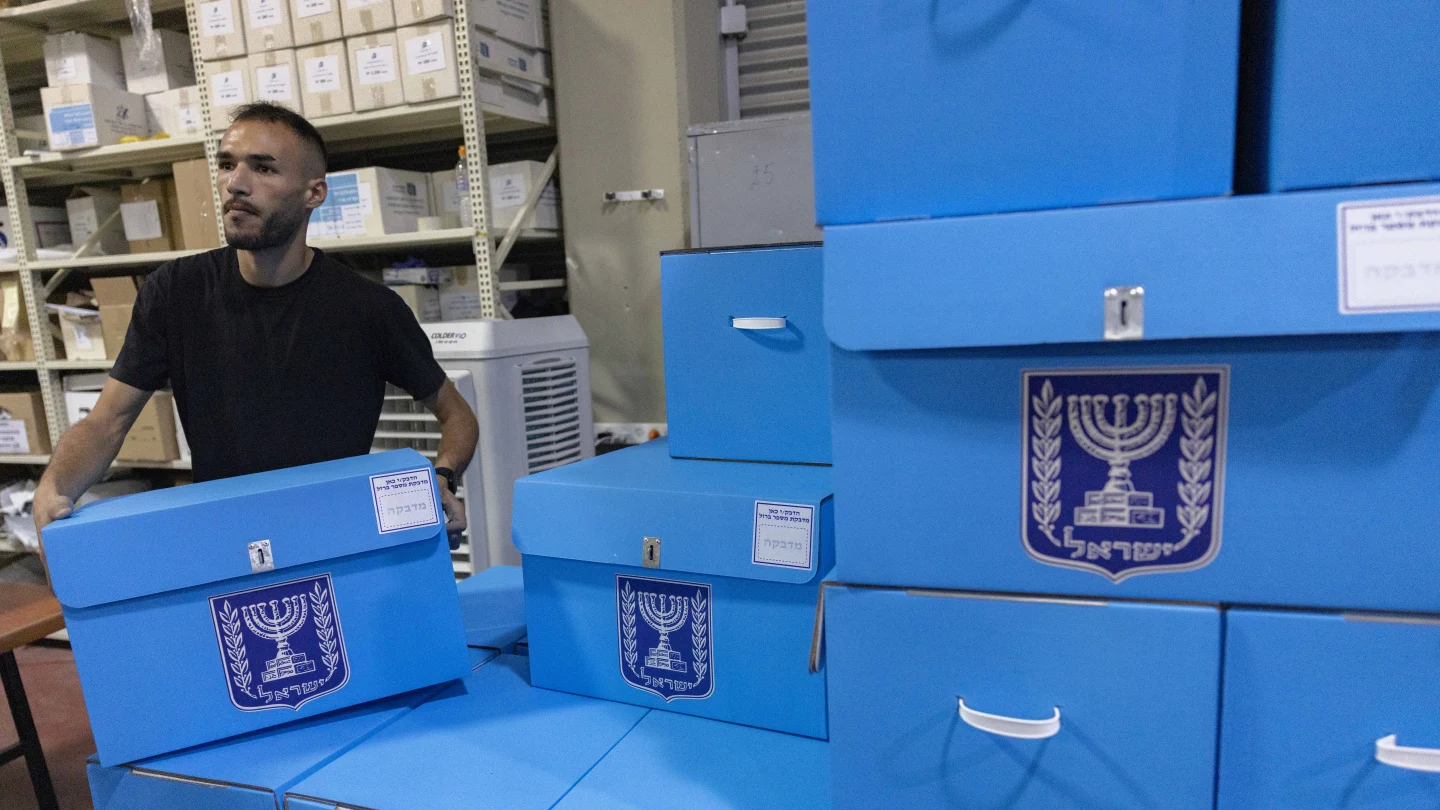
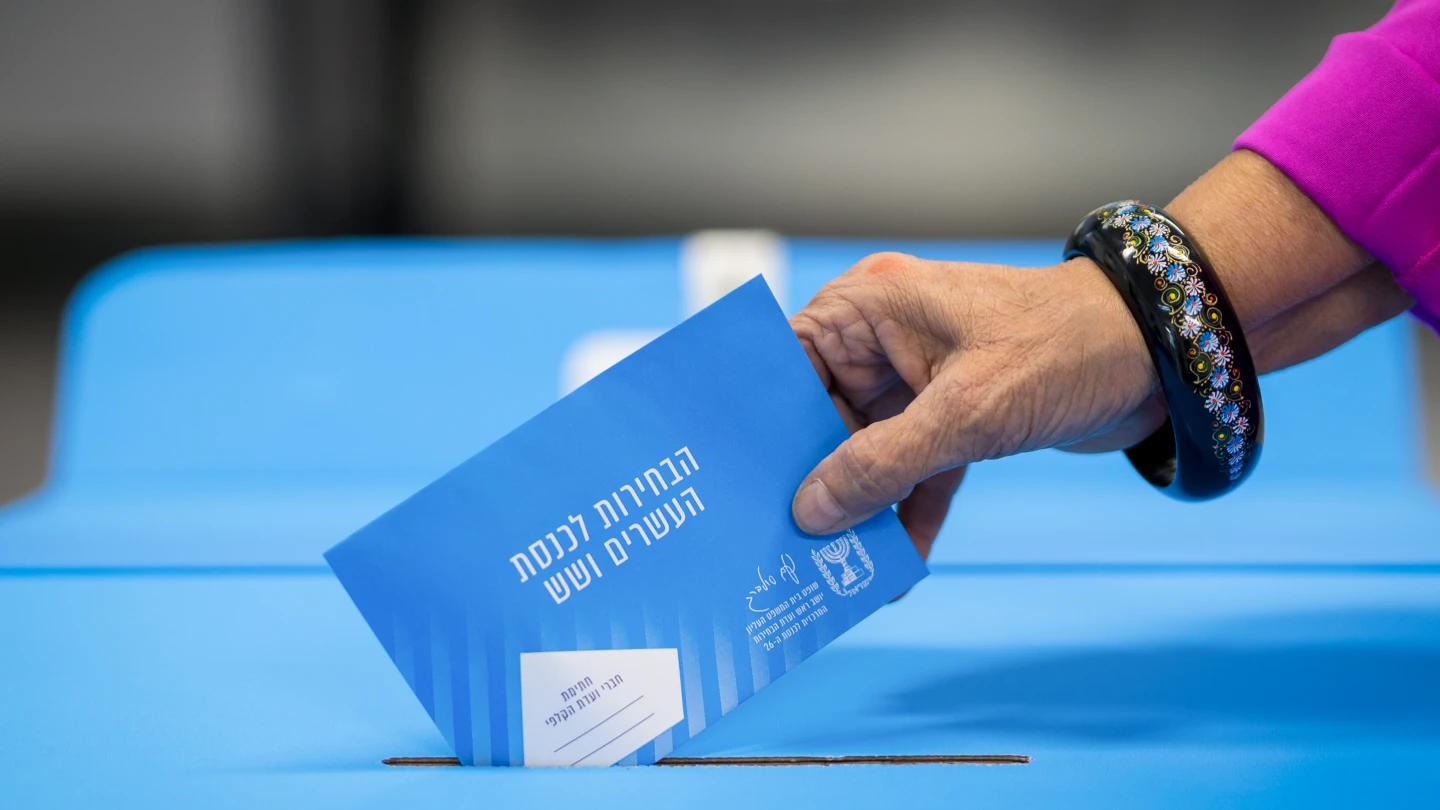
Islamist and Palestinian-nationalist parties test opposition’s red lines ahead of the Oct. 27 election.

Ofer Winter’s party seeks to reshape the Jewish state’s right from within.

Hendel and Zelekha pair military-service reform with economic overhaul.

The smaller parties could sway the election even if they fail to enter the Knesset.


At a Tel Aviv event, the national security minister called for Israeli control of Gaza.

At a private parlor meeting in Jerusalem, the Israeli Finance Minister addressed a range of issues, including the economy and cost of living, haredi conscription and Israel’s policies in Judea and Samaria.

“It is clear the momentum is with us,” B’Yachad party No. 2 Yair Lapid told JNS.

Former IDF chief pledges to resign within an hour if he breaks his commitment.


From haredi draft exemptions to unity talks, the incumbent faces a complex coalition puzzle.

“I think the bottom line is, if you think that the elections are the last word, it’s probably not,” expert tells JNS.

The U.S. president’s backing may influence more voters than conventional analysis assumes.

“In the event that the worst-case scenario happens and we don’t get 61 ... I will say to the 120 members of Knesset: Come and vote according to your conscience,” the head of the Yashar Party said.

With active hostilities on three fronts, the next leader of the Jewish state must grapple with security issues first and foremost.

A central message of the prime minister’s campaign is that the “change camp” can’t win without the support of Arab parties.

The platform has been criticized by both the left and right for extremism.
Q&A with Prime Minister Benjamin Netanyahu
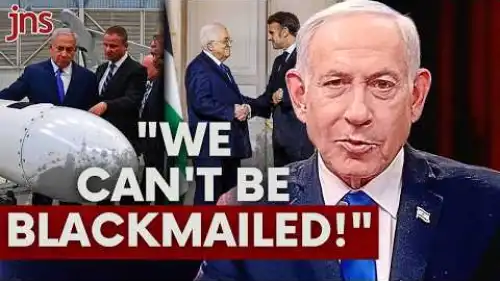
Q&A with Prime Minister Benjamin Netanyahu
Q&A with Prime Minister Benjamin Netanyahu

Israel’s English-language election debate
Israel’s English-language election debate

Beyond the ballots: JNS takes you inside the Likud primary
Beyond the ballots: JNS takes you inside the Likud primary

JNS Inside Look: Eisenkot unveils Yashar electoral list ahead of Oct. 27 vote
JNS Inside Look: Eisenkot unveils Yashar electoral list ahead of Oct. 27 vote



 Opposition

Oscar-winning filmmaker Lucie Kon said she was sidelined and lost her job after complaining about anti-Jewish hostility following Oct. 7, 2023.

“Abdul can’t condemn this disgusting antisemitic ad,” Democrats for Mike Rogers stated. “It’s disqualifying.”

“When antisemitism drives Jewish children out of public schools, that is segregation by intimidation,” Mark Goldfeder of the National Jewish Advocacy Center said.

‘No impact,’ University of Toronto says after student union votes to break ties with Israeli schools
“The University of Toronto firmly opposes academic boycotts, which are antithetical to the university’s commitments to academic freedom,” a school spokesman told JNS.


“I will use the criminal and civil authorities of the attorney general’s office to protect Jewish New Yorkers,” Saritha Komatireddy told JNS.
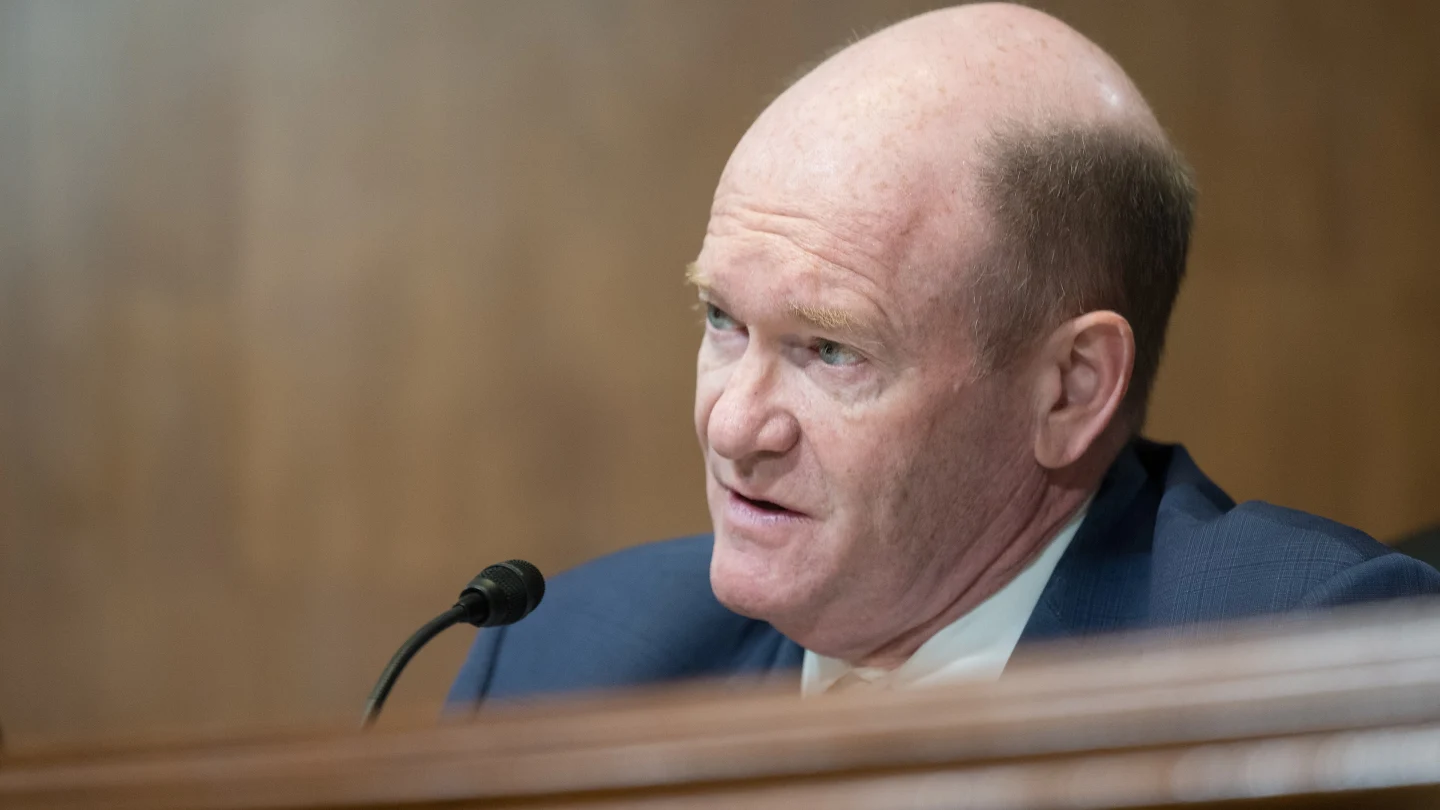
A GOP consultant told JNS that “if the Democrats take the U.S. Senate, and that is far from certain, I would expect more criticism of Israel, especially if Netanyahu is still in charge.”

“In this political environment, he may be as reliable a supporter as possible that the Democratic caucus would sign off on for the position,” political science scholar Dan Schnur told JNS.


“I think that we can criticize what Israel did, but we can stand by the people of Israel,” former Reuters journalist Colleen Connaughton told JNS.

“Antisemitism is on the rise, and it’s occurred under your watch,” the Republican nominee told New York Gov. Kathy Hochul, “and Zohran Mamdani is fueling it.”

“There is no doubt in my mind that Israeli forces prosecuting the war in Gaza violated the law of armed conflict and international humanitarian law,” the Jewish Georgia Democrat said.

“One clear issue that New Jerseyans are paying for is that Israel and the United States decided to go to war with Iran,’’ the New Jersey Democrat said in a Senate debate with Justin Murphy.

“One of the country’s most popular governors gets a rousing endorsement from Pennsylvania’s likely voters in a race that looks like a rout,” Quinnipiac polling analyst Tim Malloy said.
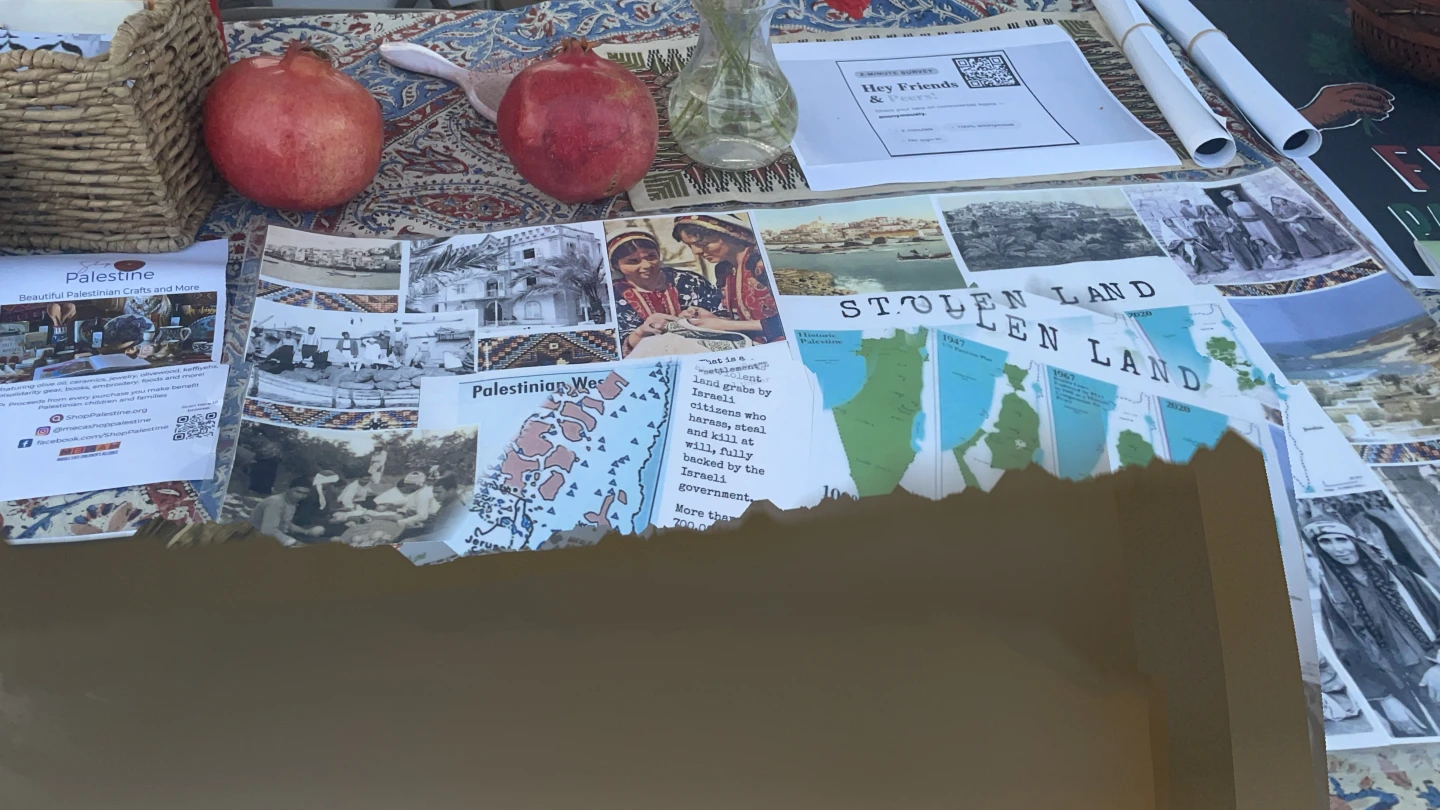

Prosecutors allege Anna Mochalova threatened to shoot one victim and apologized to a bystander after he said he was Muslim.

The U.S. president urged voters to back the prime minister to “finish the job that we started.”

The Chicago-based carrier is offering four weekly flights from the Windy City, and thrice-weekly flights from Washington, D.C., in addition to its longstanding twice-daily service from Newark.

“Upholding the integrity of our elections, and the right of American citizens to determine the outcome, is non-negotiable,” stated David Metcalf, U.S. attorney for the Eastern District of Pennsylvania. “Our democracy depends on it.”

Pittsburgh Public Schools also stated that it “does not train students to become political activists or require them to adopt particular political positions.”

In its defense of Nikkita Oliver, the organization’s board said that “it is the position of the ACLU that pro-Palestinian advocacy does not equate to antisemitic beliefs.”


Israel’s prime minister and the IDF chief disagreed over a proposed military action that could trigger a wider confrontation with Iran, a report alleged.

The two were identified as Hamas cell commander Alaa Ibrahim Nimer Arshi and Palestinian Islamic Jihad terrorist Karam Riyad Hassan Abu Butaihan.

Counterterrorism raids launched in over 400 locations throughout Judea and Samaria.


SPECIAL SERIES

Six Israeli-linked companies earned recognition alongside global technology companies whose Israeli operations signal confidence in the country’s talent.

Israeli cybersecurity firms raised about $4.3 billion in the first nine months of 2026 as investors back companies protecting data and controlling what AI systems can access.

Brain-IT uses recordings from functional magnetic resonance imaging, or fMRI, to approximate the picture a person was viewing by analyzing patterns of brain activity associated with visual processing.

A Ben-Gurion University team has developed an aerogel “sponge” that can absorb about 80 times its weight in crude oil while helping bacteria break down the pollutants.

Built from a patient’s own cells, the technology is advancing toward its first human trial at Sheba Medical Center in 2027, pending regulatory approval.

An Elbit representative tells JNS how the company’s C-MUSIC system shields airliners from heat-seeking missiles, as global demand grows

From its home in Binyamin, Psagot Playgrounds combines Israeli ingenuity with decades of experience to create unique play spaces in Israel and the United States.

Benjamin Netanyahu, security and the battle for the nation’s right.


The joint slate is dominated by RZP candidates, with Finance Minister Bezalel Smotrich first and former Likud MK Moshe Feiglin second.

Itamar Ben Gvir campaigns on security, sovereignty and tougher anti-terror laws.

Passing a comprehensive draft law to shield yeshivah students from compulsory military service is the central demand of both lists.


Avigdor Liberman’s movement seeks secular right-wing role in post-Netanyahu government.

Party leader Yair Golan is a polarizing figure in Israeli politics, even as his party attempts to translate its ideological platform into political influence within a broader opposition alliance.

Islamist and Palestinian-nationalist parties test opposition’s red lines ahead of the Oct. 27 election.

Ofer Winter’s party seeks to reshape the Jewish state’s right from within.

Hendel and Zelekha pair military-service reform with economic overhaul.

The smaller parties could sway the election even if they fail to enter the Knesset.

Despite holding a fraction of Knesset seats, Shas and United Torah Judaism have become indispensable coalition partners, reshaping Israeli politics.

Originally intended to accommodate a few hundred Torah scholars, the exemption of ultra-Orthodox yeshivah students from IDF service evolved into one of Israel’s most contentious public policy issues.

At its core, the dispute is about what military service, Torah study and citizenship mean in the Jewish state.

The war transformed a decades-old legal and political dispute into an urgent fight over military manpower, equality of service and the future of Haredi society.
OCT. 7

7.10 Bound in Memory is an exhibit of books written by family and friends of those killed.

Daniela Adar set out to keep an Upper Galilee museum’s story alive during the war. Her encounters with displaced families sent her back to the classroom.

Avi Issacharoff warns that denial of the Hamas massacre and false narratives about Israel are taking hold in the United States and Europe.

“Captivity was too hard to handle, and every moment you didn’t know if it was going to get even worse,” she said.

At Nir Am’s Oct. 7 ceremony, the family of paratrooper Binyamin Meir Airley share his story and discuss the retreat center established in his memory.

A “Kan 11” documentary chronicles how Soroka’s medical teams treated 674 wounded during the Hamas massacre.

From Ofakim’s housing boom to startups tackling AI, stroke treatment and trauma, communities near Gaza are rebuilding with an eye toward expansion.

A terror attack, a car accident and the war against Hamas have brought repeated loss to the Mark family—and forged extraordinary resilience.

Anat Meir talks to JNS about building a life for herself and 3-year-old Shaked in the shadow of David’s death.

‘I’m here, I’m alive—and it’s the most important thing in the world,’ former Hamas hostage tells JNS
Luis Har was freed from captivity in Gaza in a daring Israeli military operation 129 days after he was abducted during the Oct. 7, 2023, massacre.

Memory and hope can coexist, and that choosing to live, rebuild and remain can itself become an act of defiance.

Three years after the Oct. 7 Hamas massacre, the families of Capt. Elay Adany and those he helped rescue remain bound by his final acts of courage.

A coffee cart in northern Israel honors Staff Sgt. Gal Hershko through the things he loved: Nature, friendship and bringing people together.
Points of view from across the Jewish world









Press releases from Israel, and around the pro-Israel and Jewish world

The time to reach young adults is now, before they embrace the denial of their full selves, because that lesson is already being taught.

They were presented with a certificate in Jewish Choral Conducting and performed in a recital at the North American Jewish Choral Festival.

JOIN Israel will bring together Jewish entertainment professionals on Nov. 12 to discuss identity, representation and stereotypes while raising funds for elderly Israelis in need.

Wall of Life ceremony honors the Jewish leader and educator whose family established an archaeology endowment in his memory.

The cantor’s Nov. 6 installation at Hamakom will feature a Shabbat service highlighting traditional and contemporary Jewish music.

A new survey finds that a majority of Israeli voters support canceling the Oslo Accords and establishing a new framework for relations with Arabs living in Judea and Samaria.

Experts to address antisemitism, community security, journalism and Zionist advocacy at Nov. 15 event in Manhattan.

Jewish citizens rank security and cost of living as top concerns. Arab Israelis name crime in their own communities and the cost of living.

The Jewish Education Project’s annual Jewish Futures conference will explore the changing role of Jewish educators and invite participants to envision Jewish life in 2050.

DeBode is recognized for his philanthropy, support of student life and entrepreneurship and contributions to Ben-Gurion University of the Negev.