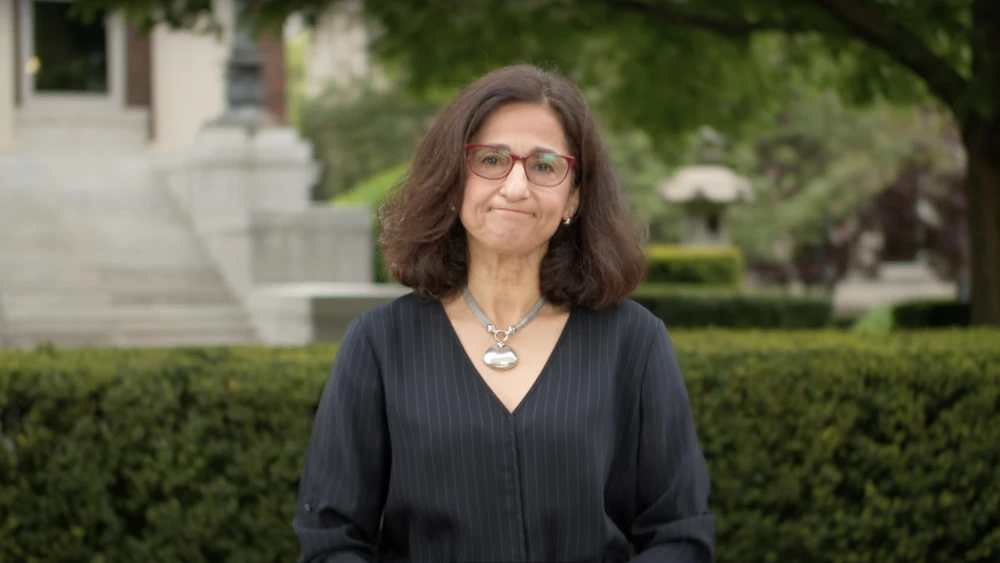
The past two weeks are among “the most difficult in Columbia’s history,” the university’s president Minouche Shafik said in a video released on Friday evening.
“The turmoil and tension, division and disruption have impacted the entire community. You, our students, have paid an especially high price,” the Columbia University president said. “You lost your final days in the classroom and residence halls. For those of you who are seniors, you’re finishing college the way you started: online.”
Columbia should be welcoming to and safe for everyone “no matter where you stand on any issue,” Shafik said.
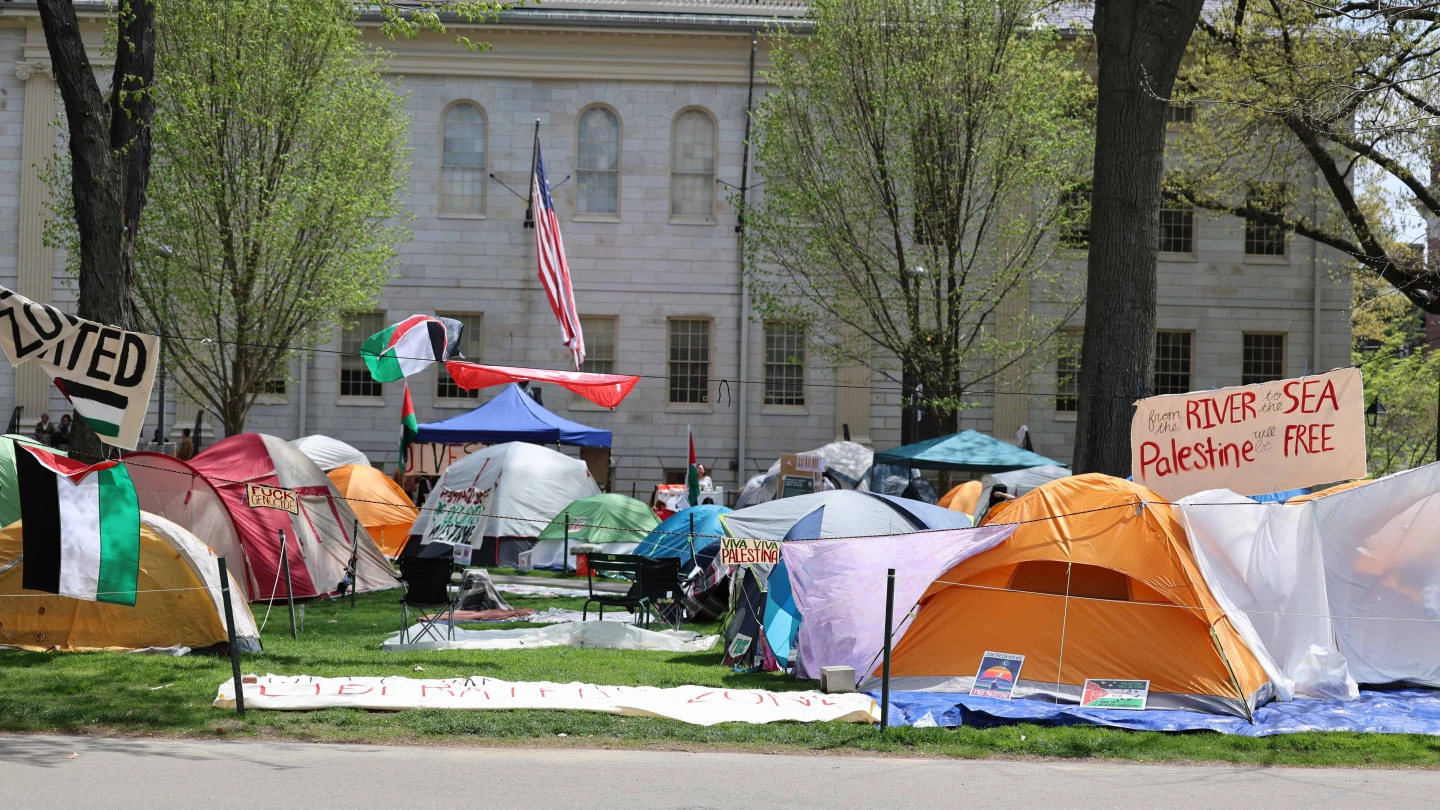
“We tried very hard to resolve the issue of the encampment through dialogue. Many people who gathered there were largely peaceful and cared deeply about the humanitarian crisis in Gaza,” she said. “Academic leaders talked with students for eight days and nights.”
“The university made a sincere and good offer, but it was not accepted,” she added.
When protesters occupied the university’s Hamilton Hall, that “crossed a new line” and was a “violent act that put our students at risk, as well as putting the protesters at risk,” according to Shafik.
“I walked through the building and saw the damage which was distressing,” she said. “But despite all that has happened, I have confidence.”
“Every one of us has a role to play in bringing back the values of truth and civil discourse that polarization has severely damaged,” she said.
The Columbia president said that she was born in the Middle East and grew up in a Muslim family “with many Jewish and Christian friends.”
“I spent two decades working in international organizations with people from every nationality and religion in the world,” she said. “Where if you can’t bridge divides and see the other side’s point of view, you can’t get anything done.”
“The issues that are challenging us—Palestinian-Israeli conflict, antisemitism and anti-Arab and anti-Muslim bias—have existed for a long time, and Columbia, despite being a remarkable institution, cannot solve them single-handedly,” she said.
Shafik’s video drew extensive criticism on social media from both the left and the right, including many calls for her resignation.
“I suppose Shafik met the food demands of the protesters by delivering this word salad,” wrote David May, research manager and a senior research analyst at the Foundation for Defense of Democracies.