The Trump administration sanctioned three Iranian foreign currency exchange houses and a network of front companies on Friday, targeting what U.S. officials describe as a key “shadow banking” system used to move billions in oil revenue.
“Iran is the head of the snake for global terrorism, and under President Trump’s leadership, Treasury is moving aggressively, through Economic Fury, to sever the Iranian military’s financial lifelines,” stated Scott Bessent, the U.S. treasury secretary.
The administration’s sanctions-driven “Economic Fury” campaign is running in tandem with the military’s “Operation Epic Fury,” as Washington and Tehran continue to exchange messages on a possible resolution to the two-month-old conflict.
“We will relentlessly target the regime’s ability to generate, move and repatriate funds, and pursue anyone enabling Tehran’s attempts to evade sanctions,” Bessent said.
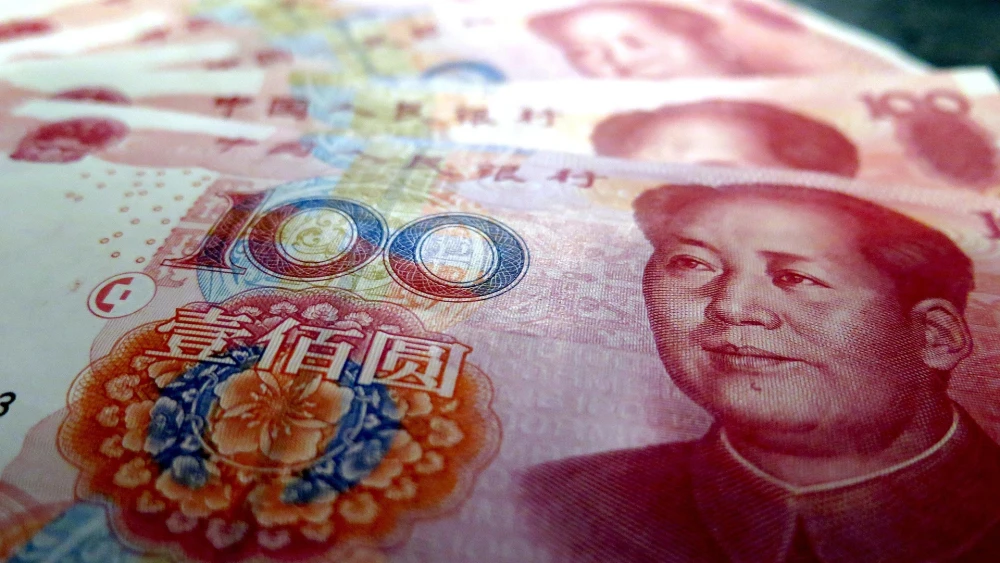
The Treasury Department said the exchanges—Pedram Pirouzan and Associates Partnership Company (also known as Opal Exchange), Nasser Ghasemi Rad and Associates Partnership Company (Radin Exchange), and Tahayyori and Associates Partnership Company (Tahayyori Guarantee Society or Arz Iran Exchange)—help convert Iranian oil proceeds, often received in Chinese yuan, into currencies accessible to Tehran’s military and proxy groups.
Treasury said the exchange houses facilitate billions of dollars in transactions annually and operate extensive networks of front companies in foreign jurisdictions to obscure their ties to Iran and access the international financial system. Thirteen associated entities were also designated.
The sanctions, issued under Executive Order 13902, block any U.S.-based assets of those named and prohibit Americans from doing business with them, while exposing foreign firms that assist the network to potential secondary sanctions.
Friday’s designations are the latest in a broader pressure campaign targeting Iran’s financial sector and sanctions-evasion infrastructure. Since early 2025, the Treasury Department has sanctioned more than 1,000 Iran-linked individuals, entities, vessels and aircraft tied to such networks.
“Today’s designations further disrupt the Iranian regime’s mechanisms for receiving payments for oil and other commodities, thereby increasing costs and reducing revenue for the regime’s destabilizing activities, and exposing individuals and the methods the Iranian regime uses to bypass sanctions and abuse the international financial system,” Treasury said.