
This week, I will lead a delegation of United Nations ambassadors—unprecedented in scale, drawing representatives from Europe, Latin America, Asia, the Pacific Islands and Africa—on a diplomatic mission to Poland and Israel. This trip is not simply another diplomatic delegation. It is a moral imperative at a moment of alarming global regression in memory, truth and human solidarity.
We travel to Poland and Israel to bear witness not as tourists of history, but as stewards of conscience. Today, that commitment is under siege.
Holocaust distortion, once relegated to the fringes of extremist forums, now bubbles into the mainstream: reshaping narratives, sanitizing facts, and upending victim and perpetrator dynamics. Holocaust denial and revisionism are not harmless debates about historical detail. They corrode our shared memory, dishonor the survivors who remain and threaten the very idea that some truths are beyond political distortion.
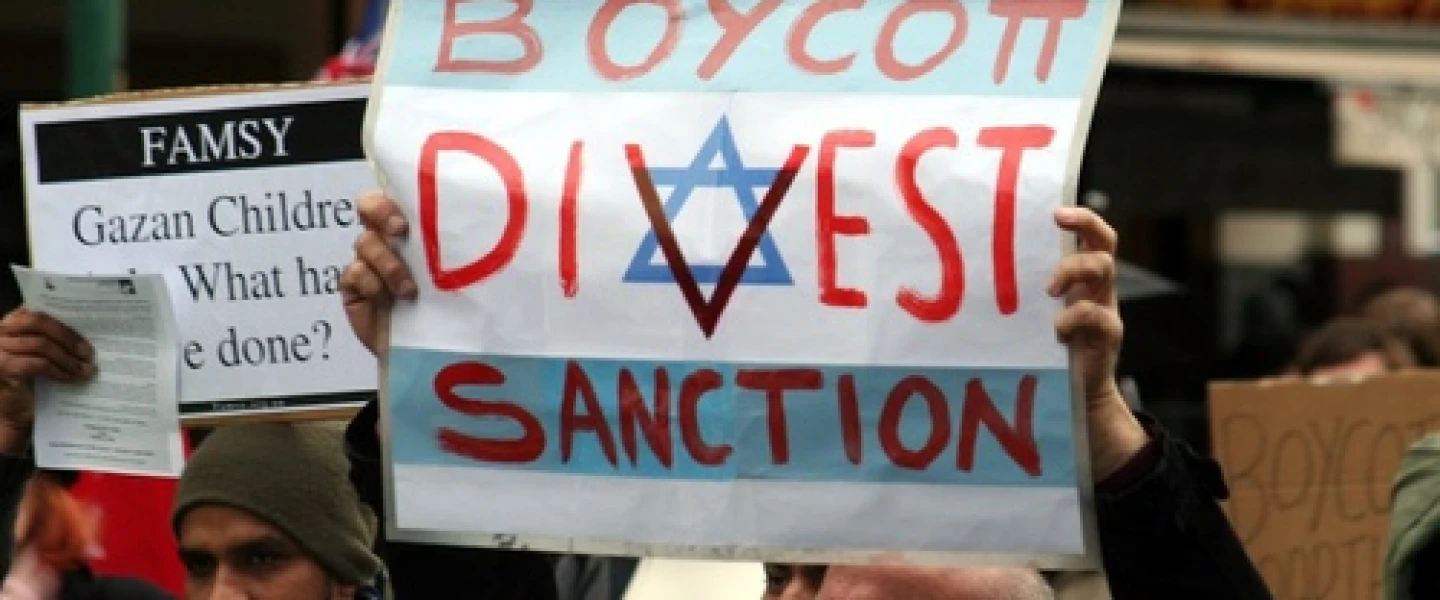
Alongside this, antisemitism is on the rise in unprecedented ways. Jewish communities face harassment, vandalism and violence across continents. Synagogues are defaced, worshippers are gunned down at Jewish festivals, and Jewish students report fear for their safety. In forums once dedicated to peace and cooperation, including the halls of the United Nations itself, pernicious stereotypes and outright lies circulate under the guise of free expression, lending legitimacy to hatred.
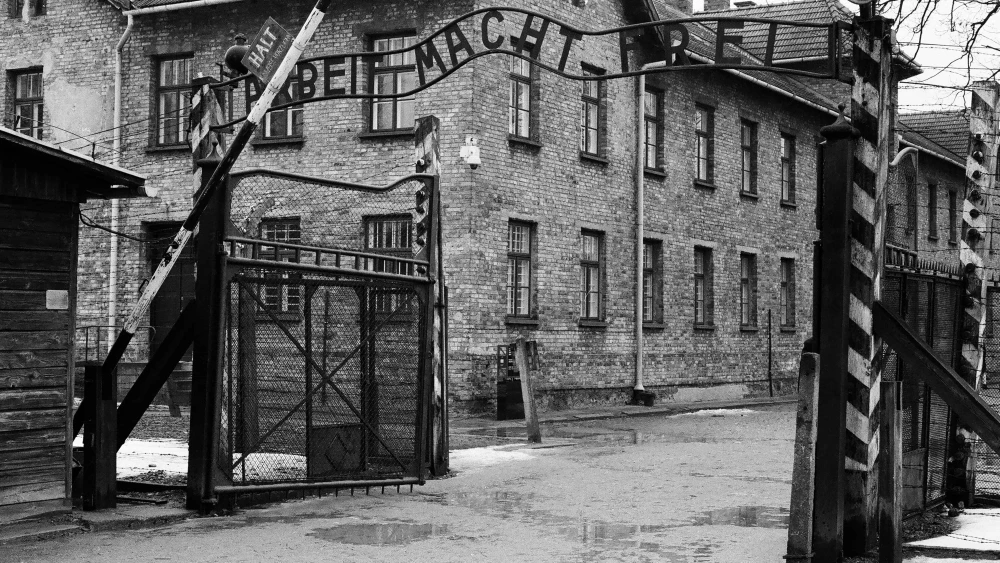
This delegation is more than symbolic. Visiting Auschwitz, and then afterward, key historical sites in Israel, enables participants—and through their voices, the world—to confront the truth. It challenges them to see the continuum of history: how prejudice becomes policy, how apathy becomes complicity and how distortion becomes danger. That message rang true in Europe during the Holocaust, and it unfortunately rang true in Israel on Oct. 7.
But remembrance alone is not enough, and this diplomatic mission understands that.
The actions that arise from remembrance, including reaffirming truth in education, insisting on accurate historical record, defending communities under threat and confronting prejudice wherever it takes shape, define the substance of the pledge to never again allow genocide or hate-based violence.
This visit is a declaration that the world cannot stand by while hatred is normalized; that diplomats will be able to see with their own eyes the consequences of indifference; and that the United Nations, born from the ashes of global failure to stop the Holocaust, must reclaim its moral purpose.
We do not travel to relive tragedy. We travel to awaken responsibility.
If the meaning of “Never Again” is to hold any meaning at all, then it must be grounded not in nostalgia for a vow made 80 years ago, but in action taken today.