The public’s faith in police work is dwindling, according to a survey by the Institute of Criminology at the Hebrew University, the results of which were published on Sunday.
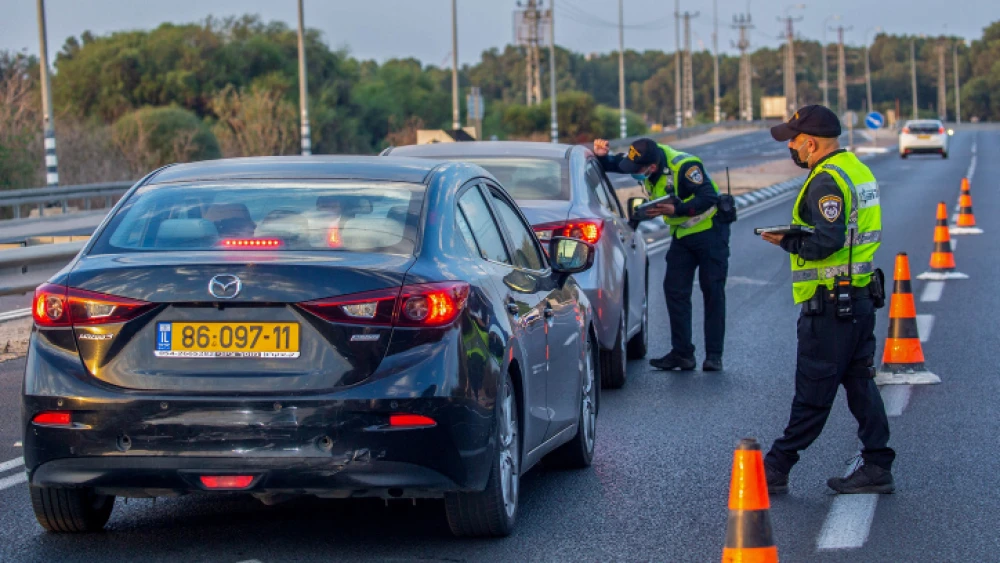
Initially conducted in April, during the first coronavirus-triggered lockdown in the country, the survey found that 62 percent of Israelis believed the police were successfully dealing with the challenges posed by the pandemic. But a follow-up poll held amid the second lockdown saw the Israel Police’s approval ratings drop, with only 21 percent of respondents saying the police have kept up performance as they did in mid-March.
Both surveys included the same sample of 600 Israelis.
A comparison of the data showed that while during the first survey only 17 percent of respondents thought that police enforcement of coronavirus regulations had adversely affected police relations with the public, the second poll found that now 52 percent believe so.
Moreover, while during the first lockdown, 59 percent of Israelis stated that they trust the police to enforce emergency regulations impartially, only 38 percent believe that to be true during the second lockdown.
Only 19 percent of respondents—compared to 34 percent in the previous poll—agreed that the police make decisions that serve the public interest. Only 26 percent (compared to 41 percent in April) said they think the police show concern for the well-being and quality of life of the public.
The number of Israelis who agree that the police treat all members of the public equally (24 percent) and fairly (31 percent) has dropped to 16 percent and 19 percent, respectively.
This has led to a drop in public confidence and trust in the police, a key concept in the relationship between law enforcement and the public.
While in April 43 percent of respondents said that they had faith in the Israel Police, come September that number had dropped to 31 percent. Only 16 percent said that police action during the second coronavirus outbreak had bolstered their faith in the police, compared to 39 percent who said the same in April.
The researchers noted that during times of crisis, police strategy and tactics both have a significant impact on the public perception of the force, as civilians become highly sensitive to processes they believe are fair or unfair, and whether they believe the police officers they encounter truly have the public’s best interest in mind.
Public diplomacy plays a key role in the civilian perception of the police, especially in times of a national crisis, they said.
A statement by the Israel Police said, “For the past seven months [our] officers have been in the forefront of the battle against the coronavirus, heading lifesaving enforcement activities during one of the worst crises to ever befall the State of Israel, this alongside the various missions the police routinely handle. Unfortunately, police activity these days is not popular and does not receive the appreciation it deserves from the public.
“Overall, the public’s faith in government institutions has been eroded by the economic, social, and health crisis, which have greatly affected public perception. The Israel Police will continue to work for, protect and serve the public.”
This article first appeared in Israel Hayom.