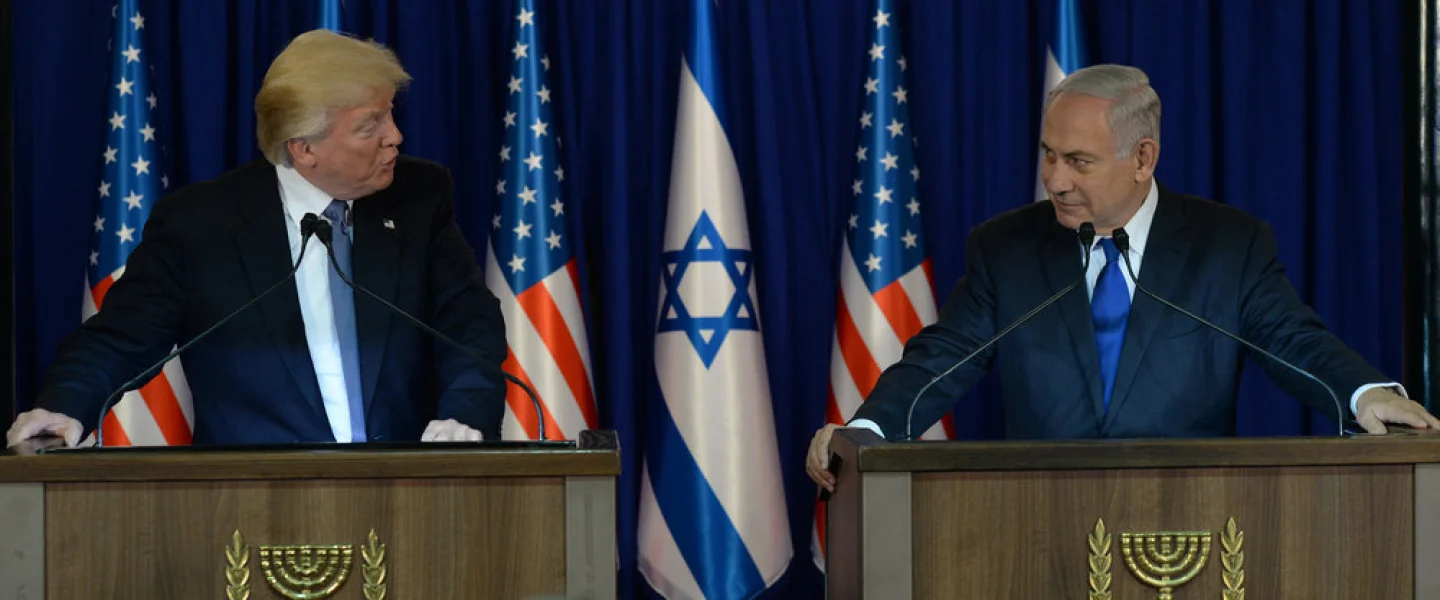
U.S. President Donald Trump pushed back against enacting sanctions on Turkey for purchasing the Russian S-400 missile-defense system, reported The Washington Post on Tuesday, citing people in the White House meeting between the president and Republican senators, led by Foreign Relations Committee chairman Jim Risch.
Last week, Trump said that Turkey, for buying the S-400, will be barred from acquiring the U.S. F-35 fighter jet. However, he stopped short of saying that sanctions will be imposed on Ankara for doing so.
Instead, the president seems to prefer negotiations with Turkey.
“Everyone in the room knew there were many options available, and there was spirited and robust debate on all sides of the issue,” Risch spokesperson Suzanne Wrasse told the Post.
Lawmakers on Capitol Hill said last week that sanctions are coming against Ankara for the Friday acquisition, in addition to remarking that the United States has no choice but to sanction Turkey under the Countering America’s Adversaries Through Sanctions Act.
A group of Senate Democrats, who were not at the meeting, emphasized in a letter on Tuesday to the president that they “agree with Secretary [Mike] Pompeo and many Senate Republicans that sanctions must be imposed on Turkey in accordance with the law.”
“Without decisive action by the United States, our position in NATO and the strength of our sanctions regime on Russia will suffer,” they wrote.
In lieu of sanctions, “there may be some things like free-trade agreements being talked about,” said Sen. David Perdue (R-Ga.)
“There’s a possibility that you have to bring Russia into some kind of conversation about what their position is in the Middle East—they want trade, they want some kind of commerce with us, too,” he added.