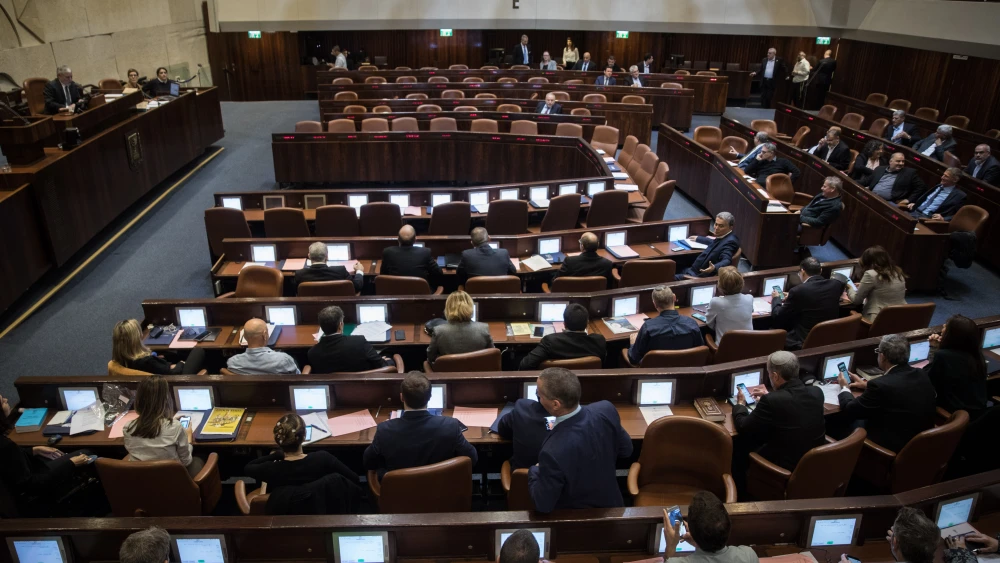
The government on Monday approved a 10 percent cut in the salaries of all ministers and Knesset members, citing that parliament must lead by example as Israel faces a recession triggered by the coronavirus pandemic.
The government has also instructed the Finance Ministry to explore a similar wage cut across the public sector, including in the salaries of Israel’s President Reuven Rivlin, judges and mayors nationwide.
Lawmakers have also suspended their routine pay raise, slated to take effect in early 2021.
The move saves state coffers NIS 8 million ($2.3 million) immediately with the amount expected to more than double should a wide wage cut be instated.
Several ministers who backed the move cited the need to set a personal example as the private sector, which is still reeling from the financial implications of the two-month lockdown imposed in March and April, now has to grapple with a second lockdown imposed over the surging spread of COVID-19.
Opposition leader and Yesh Atid Party chair Yair Lapid welcomed the move, saying, “I support the cuts in MKs and ministers’ [salaries]; how nice that they finally remembered to do so and stop this outrage. Yesh Atid has been waging the war against raising MKs’ salaries since 2015.”
This article first appeared in Israel Hayom.