
This headline from the Canadian Broadcasting Corporation last week was typical: “Trump announces Israel-Lebanon ceasefire, but major disputes remain.”
That framing misses a basic truth: Ceasefires don’t resolve conflicts. Though they can lead to productive negotiations, they are more often used by both sides to prepare for the kinetic battles that lie ahead.
Even ones that hold don’t necessarily produce good outcomes. The most obvious example: More than seven decades after the 1953 Korean armistice, the United States remains in a frozen conflict with a dynastic North Korean dictatorship that is now nuclear-armed, as well as in an axis with the anti-American rulers of China, Russia and Iran. A ceasefire that leaves the underlying power structure intact doesn’t end a war. It just defers it.
A more significant question regarding the Israel-Lebanon ceasefire: Since the Israel Defense Forces and Lebanese Armed Forces are not engaged in combat, what’s the point?
The answer, of course, is that this ceasefire is really between Israel and Hezbollah. Designated a terrorist organization by the United States and numerous other countries, the “Party of Allah” has for decades been funded, armed, and directed by Iran’s theocratic regime.
When Hezbollah is not engaged in combat with Israel, it is crippling Lebanon. A once vibrant country where Sunnis, Shia, Christians, Druze and others built a banking capital, a free press and some of the Arab world’s finest universities, Lebanon is today a failing state. A U.N. analysis put Lebanon’s poverty rate in 2021 as high as 74%, more than triple what it was a decade before.
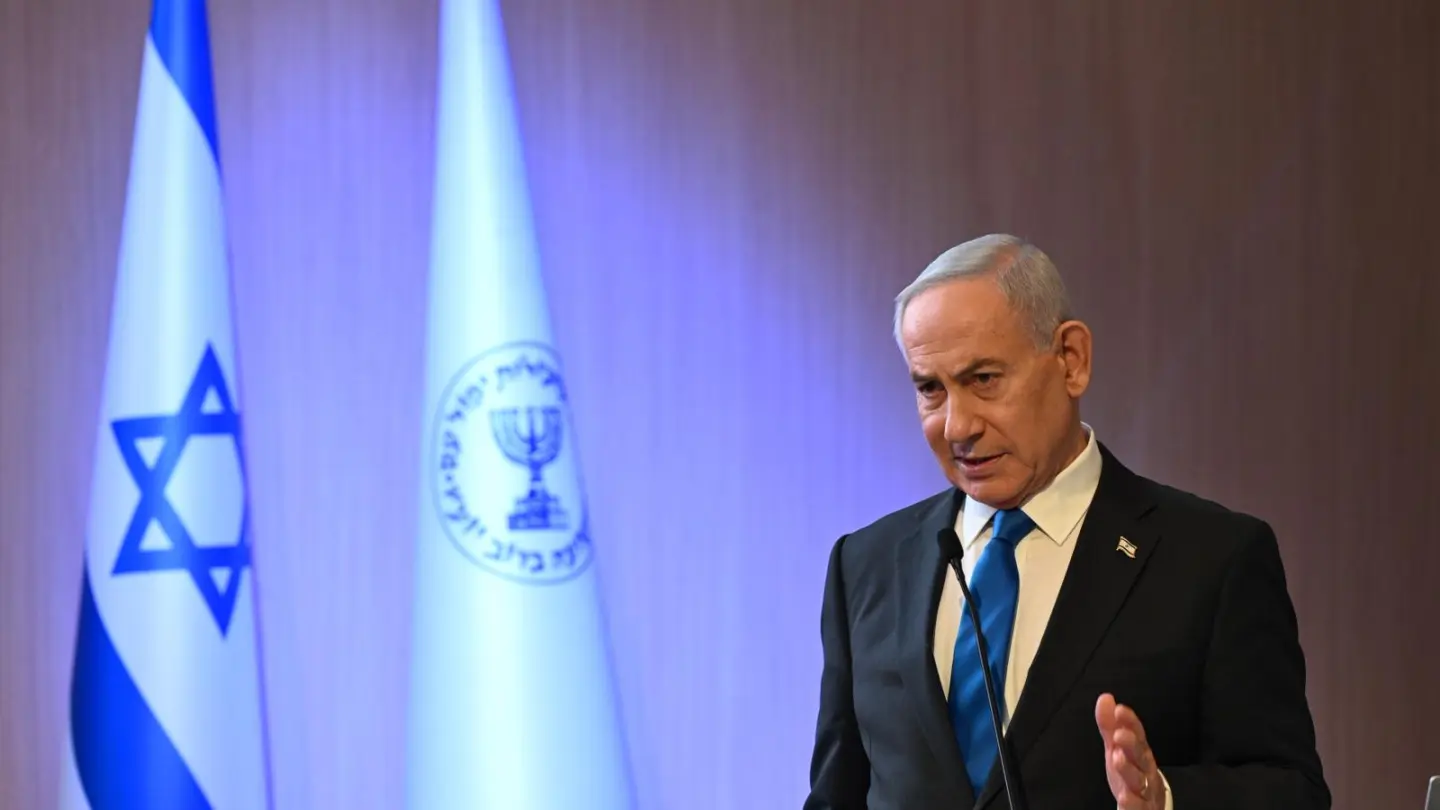
The current ceasefire, which began on April 16, is to run for 10 days and can be extended by “mutual consent.” Israeli Prime Minister Benjamin Netanyahu agreed to it at the request of U.S President Donald Trump, though the timing was plainly not to his liking.
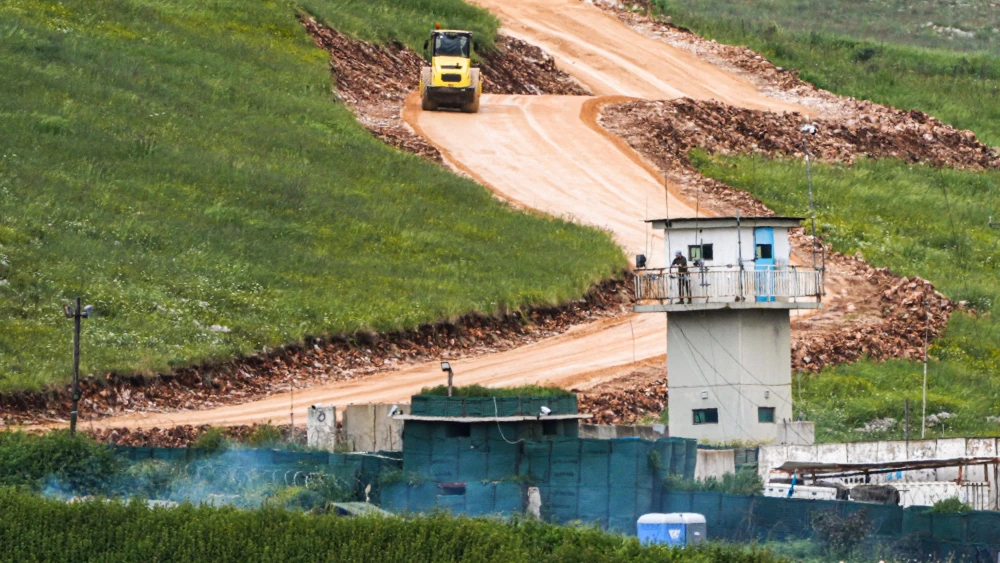
The IDF has spent recent weeks eliminating Hezbollah commanders and degrading its military infrastructure. Most Israelis would prefer to finish the job, which would reduce, if not eliminate, further attacks by Hezbollah for the foreseeable future.
Under the terms of the ceasefire, the Lebanese government is not only to take “meaningful steps” to prevent such attacks, but also to disarm Hezbollah. Few analysts believe that the LAF can accomplish that mission.
The most intense conflict between Hezbollah and Israel took place in the summer of 2006. A Hezbollah commando unit crossed into Israel, where it killed three soldiers and took two others hostage. Israel responded with a full-scale air campaign and ground invasion, pounding Hezbollah positions and destroying much of its long-range rocket arsenal.
After 34 days, then-Secretary of State Condoleezza Rice stepped in and orchestrated a ceasefire. The U.N. Security Council formalized it in Resolution 1701, which called for the disarmament of Hezbollah.
Lebanese and U.N. forces were deployed to get the job done. They, of course, failed. And over the years, U.N. forces have often served as enablers for Hezbollah, failing to interdict weapons flows and operating in areas where Hezbollah was entrenched while turning a blind eye to its massive rearmament.
It appears no lessons were learned. Consider a brief chronology of the events that have led to the current situation.
• On Oct. 7, 2023, Hamas carried out the deadliest massacre of Jews since the Holocaust. The very next day, in solidarity with Hamas, Hezbollah began launching rockets into northern Israel. Tens of thousands of Israelis were forced to flee their homes.
• A ceasefire between Hezbollah and Israel went into effect on Nov. 27, 2024, ending nearly 14 months of cross-border fighting, under conditions that required Hezbollah to withdraw to north of the Litani River and Israel to gradually withdraw from Southern Lebanon—conditions that were only partially met before fighting resumed.
• On Feb. 28 of this year, the United States and Israel launched coordinated strikes on Tehran’s illicit nuclear facilities and burgeoning military infrastructure. Two days later, in solidarity with Tehran, Hezbollah resumed firing missiles at Israeli targets.
• Lebanon’s cabinet immediately convened an emergency session. Its prime minister, Nawaf Salam, condemned the Hezbollah strikes as “reckless” and ordered Hezbollah to cease military operations, disarm and behave like a normal Lebanese political party. Hezbollah refused.
• Since then, Israel has struck back hard, reportedly killing more than 1,400 Hezbollah operatives and destroying more than 4,300 sites, including missile arsenals, rocket launchers and weapons depots.
• On March 24, Lebanon’s government declared Iran’s ambassador, Mohammad Reza Shibani, persona non grata and gave him five days to leave. But he remained. Tehran’s response roughly translated to: You don’t give orders to us. We give orders to you. Our man stays.
• On April 14, two days before the announcement of the ceasefire, U.S. Secretary of State Marco Rubio convened a meeting in Washington between the Lebanese and Israeli ambassadors. Trump plans to follow up by inviting Lebanese President Joseph Aoun and Israeli Prime Minister Netanyahu to Washington for a summit.
Could such a meeting produce normal relations between these neighboring countries? Not according to Wafiq Safa, a senior Hezbollah official. He told the BBC last week that his organization will “never, ever” disarm, and that there can be “no separation” between Hezbollah and Iran because they are “two souls in one body.”
In other words, contrary to media reports, there are no “major disputes” between Israel and Lebanon. The major disputes are between Israel and Hezbollah—and between Hezbollah and Lebanon.
So long as a forward-deployed arm of the Islamist dictatorship in Tehran operates within Lebanon’s borders, the people of that country cannot be independent, sovereign and free.
Which leads to this conclusion: Israel, in pursuit of its own security, may be Lebanon’s best hope for liberation. Trump would do well to recognize that irony—and act on it.
Originally published in “The Washington Times.”