Lebanon
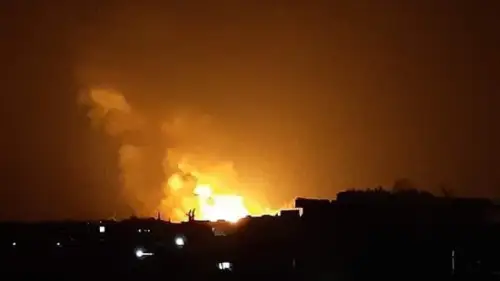
The strikes are the fourth attributed to Israel in the past three weeks.

“For a long time, the Saudis haven’t liked the current Lebanese government. They are refusing to help Lebanon because they feel Hezbollah controls the political system and influences everything,” said Orna Mizrahi at Israel’s Institute for National Security Studies.

Foreign Minister Prince Faisal bin Farhan bin Abdullah Al Saud said in a TV interview that Hezbollah’s role in Lebanon needs “reform and comprehensive revision.”

The terrorist group will “act accordingly” if it thinks “Lebanese oil and gas is in danger in the disputed area,” says Hezbollah leader Hassan Nasrallah.

Hassan Nasrallah claims to have 100,000 fighters, but vows they won’ t be drawn into a civil war.
“No one is above the law,” says Lebanon’s Maronite Patriarch Bechara Boutros Al-Rai, after a deadly gun battle erupts in the capital between Hezbollah supporters and unidentified assailants.

The need in the north has become a concern, especially due to the severe lack of public shelters and Lebanon’s growing economic crisis.

By adding to its power directly north of the border, it gives Hamas more flexibility on its attack options against Israel.

The Lebanese Armed Forces have agreed to supply sufficient gas oil to temporarily restore power, but the grid is expected to remain down for the next few days.

The talks began last year and are being mediated by the United States, but hit an impasse in May.
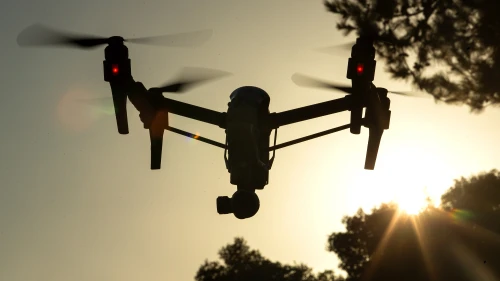
The terrorist organization possesses a fleet of Iranian-made military drones it received from smuggling efforts in recent years, according to multiple assessments.
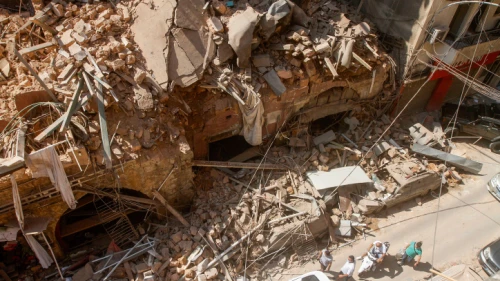
The legislative body passed a resolution threatening targeted sanctions on Lebanon for “obstructing and undermining the democratic political process.”