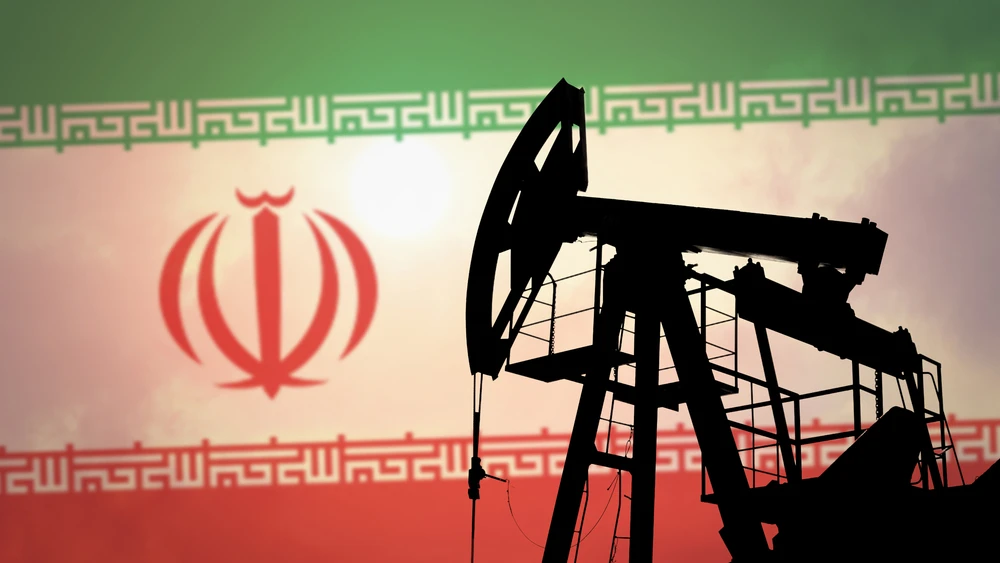
The Trump administration sanctioned what it said are a major Chinese oil refinery and dozens of shipping firms and vessels linked to Iran’s “shadow fleet” as part of its efforts to suffocate Tehran’s biggest revenue source.
“This action cuts revenue streams that fund the regime’s destabilizing activities across the Middle East,” stated Tommy Pigott, State Department spokesman.
“The administration’s maximum pressure campaign will hold Tehran accountable for its regional aggression and threats to American interests,” he stated.
One of Iran’s largest purchasers of oil, Hengli Petrochemical, is known as a “teapot” refinery, a designation that suggests independent facilities that specialize in buying discounted crude, including from sanctioned countries.
The U.S. Treasury Department alleges that Hengli has received deliveries of Iranian oil since at least 2023 and that “shadow” fleet vessels, which employ deceptive practices such as false flags and doctored bills of lading to obscure their sources, ownership and cargo, have moved that oil.
Hengli has also bought oil tied to Iran’s armed forces and sent hundreds of millions of dollars into the regime’s military coffers and those of its regional proxy terror groups, the U.S. government alleges.
A Treasury Department statement called the shadow fleet operation a “financial lifeline to Iran’s unstable regime.”
Vessels owned and operated by companies in Hong Kong, the Marshall Islands, Vietnam, the British Virgin Islands, China, Panama, the Cayman Islands, the United Arab Emirates and Liberia were included in the shadow fleet sanctions.
“These measures underscore the U.S. commitment to disrupting Iran’s ability to fund terrorism, support proxy forces and threaten regional stability,” Pigott stated.
“The administration remains focused on ensuring the Iranian regime cannot use illicit oil revenues to advance its malign agenda while the Iranian people continue to suffer from economic mismanagement and repression,” he added.