
In a recent Axios article entitled “Scoop: U.S. presses U.N. not to update list of companies operating in Israeli settlements,” author Barak Ravid misleads on the reason why Airbnb reversed its discriminatory boycott of listings in Jewish communities in Judea and Samaria.
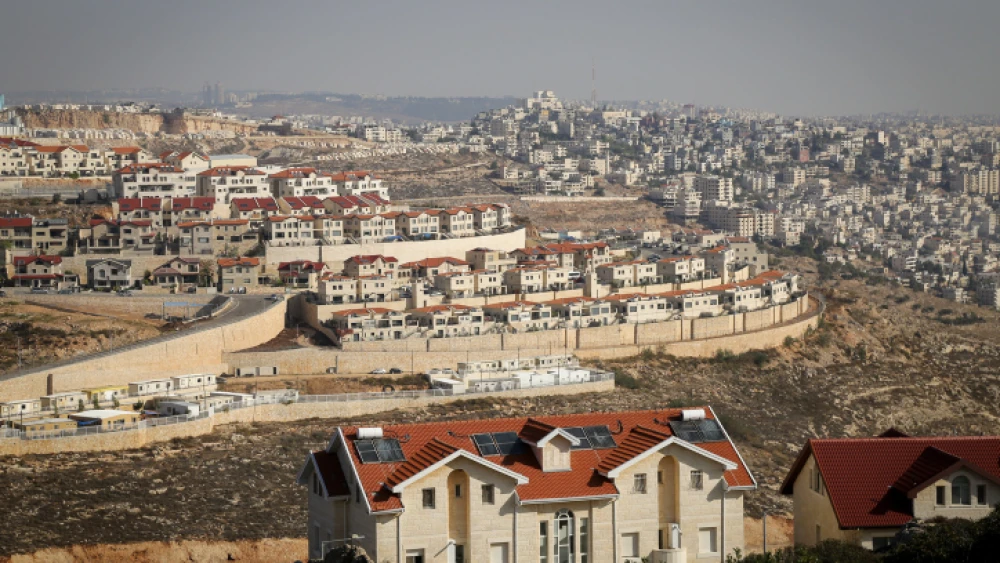
In the Dec. 7 article, about U.S. objections to the United Nation’s maintenance of a “blacklist” of companies operating in Israeli settlements, Ravid references the story of one of those companies that ended up on the list—Airbnb. The article claims that “Airbnb announced it will stop allowing listings in settlements on its platform but then backtracked under Israeli pressure.”
In fact, Airbnb “backtracked” as part of its settlement of multiple discrimination lawsuits that had been filed against the company following its decision to disallow such listings. From Airbnb’s press release dated April 9, 2019: “Today, Airbnb is announcing that we have settled all lawsuits that were brought by hosts and potential hosts and guests who objected to a policy the company recently announced concerning listings in disputed areas. Under the settlement terms, Airbnb will not move forward with implementing the removal of listings in the West Bank from the platform” (emphasis added).
By linking the policy reversal to a vague, unevidenced reference to “Israeli pressure,” Ravid not only misleads readers regarding the cause of the Airbnb decision, but also omits an important component of the story: the overt discrimination involved.
As the Times of Israel reported, the Airbnb policy did not just remove “listings in the West Bank.” It applied the policy only to “West Bank Jewish residents and [left] untouched listings from Arab or Palestinian towns there.” In other words, the policy excluded a particular religious and ethnic group precisely because of their religious and ethnic identity.
The U.N. blacklist is similarly discriminatory. The U.N. maintains no similar list for any other situation in which a territory is considered “occupied,” such as Western Sahara, Crimea and parts of eastern Ukraine. This strongly suggests that at the U.N. Human Rights Council—which voted to create the blacklist—the problem isn’t with companies serving citizens of an “occupying power” in “occupied territory,” but only companies serving Jewish people in disputed territories. Indeed, among those Human Rights Council members who voted in favor of the resolution to create the blacklist were Morocco and Russia, both of whom promote settlement of their citizens in occupied territories.
While the Airbnb reference is only part of the story, Axios’ misleading description of Airbnb’s policy reversal leaves its audience without important context to the story on the U.N. blacklist as a whole. Indeed, Israeli and American objections to the blacklist have centered on its discriminatory nature.
David M. Litman is a media and education research analyst at the Committee for Accuracy in Middle East Reporting and Analysis (CAMERA).
Originally published by CAMERA.