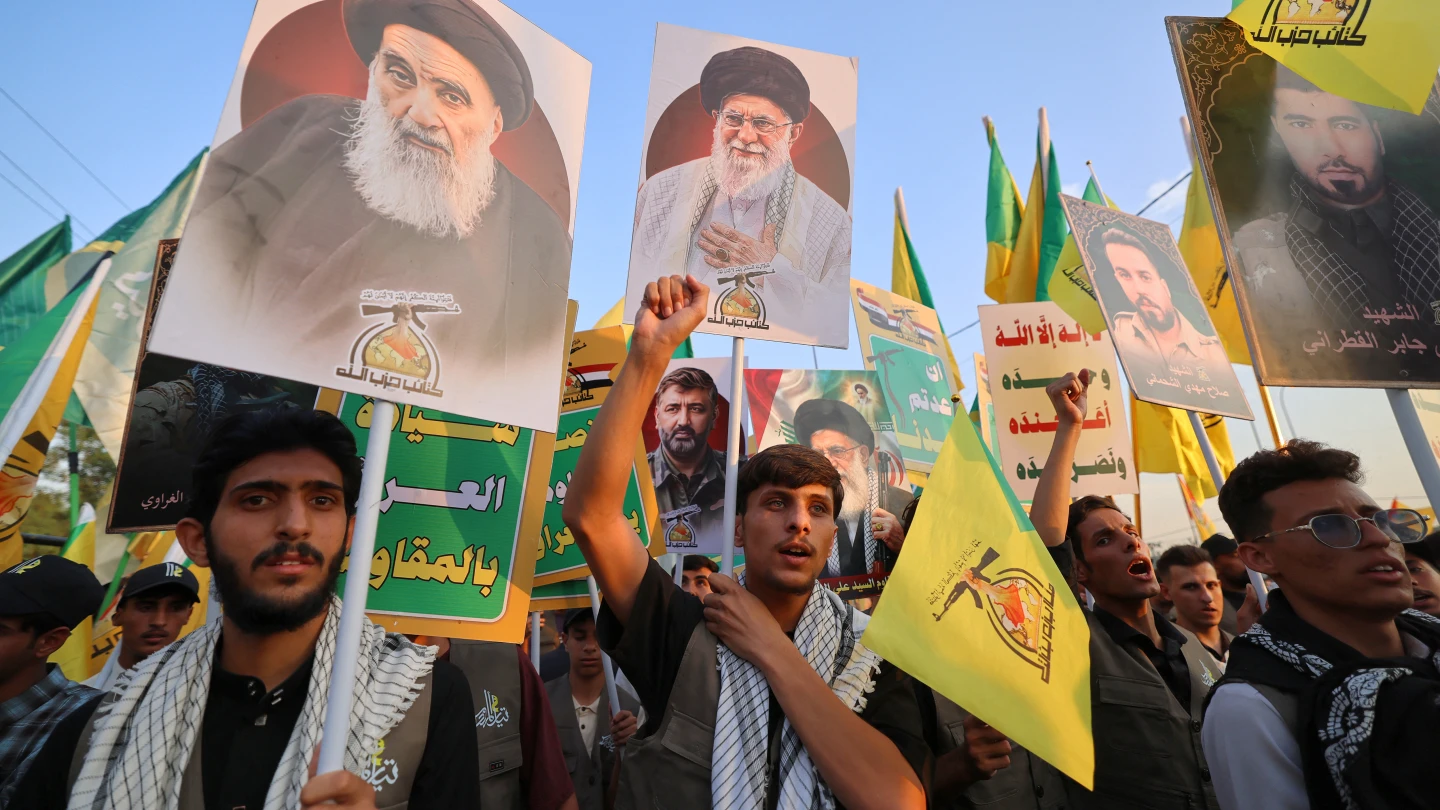
The threat posed by the Iranian regime is far from over. Iranian leaders have mastered the art of patience, procrastination, and opportunism, waiting for the right moment to strike. Although weakened, the regime is not mortally wounded. As long as it remains in power, the West, Israel, and moderate Arab allies remain in danger.
Iran’s leadership consistently probes and tests its adversaries, convinced that time and persistence will eventually deliver victory. The way Iranian and Western leaders understand negotiations reflects this difference in worldview.
For Westerners, negotiations are about compromise and achieving win-win outcomes. Each side gains something, and both leave the table stronger. For Iranians, negotiations occur only after one side has already won. The winner dictates the terms; the loser must submit.
Thus, when Iranians see Western leaders eager to negotiate before achieving a decisive victory, they interpret it as weakness, an admission of lacking the will or ability to impose terms. From their perspective, there is no such thing as a win-win outcome. The formula is simple: I win; you lose.
This mindset shapes how Iranians interpret events like the Iran-Israel-U.S. 12-day war in June. From their perspective, Israel and the United States lacked the resolve or ability to destroy the regime; therefore, Iran chalked up a victory.
Iranians treat signed agreements as temporary tools, not binding commitments. They may sign documents “to accommodate” others, but rarely intend to honor them. Agreements are stepping stones toward ultimate victory, not mutual compromises.
In Iranian political culture, compromise is humiliation, a fate worse than death. An Iranian once admitted the closest cultural term to “compromise” is tanazzol, which more accurately means “to let oneself be degraded.” While Arabs may directly blame adversaries for wrongdoing, Iranians prefer subtlety, maneuvering opponents into surrender while making them believe they are still in control.
Iranians often present themselves as gracious and empathetic, mastering the art of sincerity to disarm Westerners. They use this understanding to maneuver others into conceding ground. This subtle strategy extends to propaganda, often expressed through political cartoons or media satire, reinforcing Iran’s self-image as the victor.
A cartoon depicted American hostages being shoved into a car trunk. One hostage smiles, saying, “Wow, you cannot imagine how much I have been dreaming my whole life about having the opportunity to go for a ride in the trunk of your car.” For Iranians, this mocked America’s humiliation while the hostage pretended to maintain dignity.
Iranian media caricatured U.S. leaders John Kerry and Barack Obama during the nuclear talks a decade ago. Kerry’s broken leg was exaggerated with larger crutches, symbolizing weakness. Obama’s skin was darkened to highlight “defects” as the U.S. gave in. The Iranian message: America submits, Iran dictates.
Iranian leaders fear only strength and the credible willingness to use it. While Israel and the U.S. performed impressively during the 12-day war, Iran views time as its ally. It bides its time, expecting the West to lose interest and retreat. If that happens, Iran could reemerge with nuclear weapons and resources to threaten the U.S., Israel, and Sunni Arab allies.
The West must recognize this cultural and strategic gap. The only sustainable solution is to support the Iranian people in freeing themselves from their regime. Otherwise, Iran’s long game could eventually topple its three greatest enemies: the U.S. and the West, Israel, and the Sunni Arab world. What sounds unimaginable to us is entirely plausible to them.