U.S. Politics
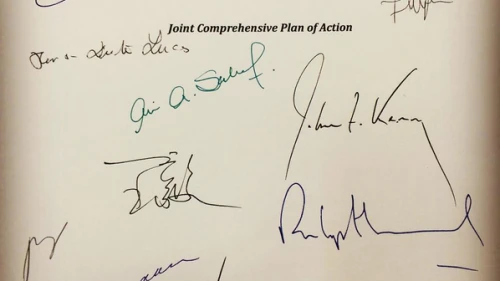
A “clean return” without ironclad new provisions that strengthen and lengthen the JCPOA will diminish U.S. clout and destabilize the Middle East.
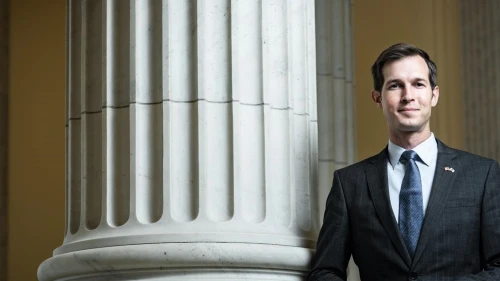
“Anti-BDS legislation is about commercial activities, not about people’s ability to speak,” says the 33-year-old. “People are free to criticize Israel; that is a protected right. But organized boycotting and divestment with the support of state, local or federal government is not acceptable.”

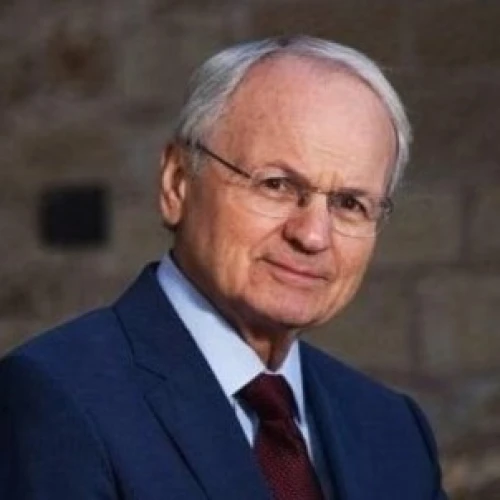
Yaakov Amidror, a former Israeli national security adviser, says the Biden administration needs to grasp that it’s a “different Middle East. I don’t think the old notions and ideas will work.”

As for anti-Semitism, the 65-year-old Korean American notes “that is unacceptable. It’s the same as a hate crime. I’m the one who passed a resolution last year when I was chair of the Orange County Board of Supervisors that hate crimes are not acceptable.”

The two were said to have discussed “regional strategic matters, the Iranian threat and other topics.”
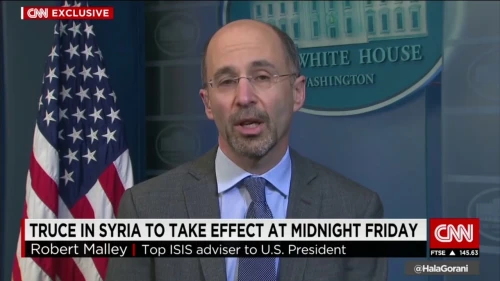
Whether U.S. Secretary of State Tony Blinken accepted Malley’s request remains unknown.

The U.S. State Department called the hold “a routine administrative action,” as new administrations usually review such matters.

He stressed that the United States should not lift terrorism sanctions on Tehran or unfreeze assets belonging to Iran in order for the Islamic Republic to come to the negotiating table.
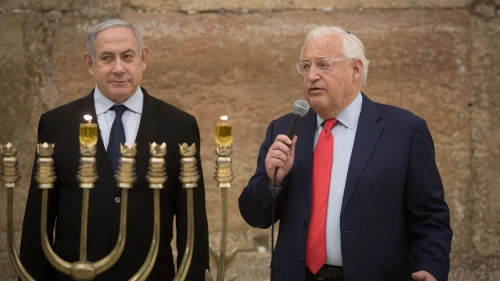
Most incoming American presidents face a Middle East that is “on fire,” but thanks to the Trump administration policies, especially the Abraham Accords, President Joe Biden will not, emphasizes outgoing U.S. Ambassador to Israel David Friedman.

The 74-year-old will be the first woman to lead the Federal Reserve.

Neera Tanden said former President Donald Trump used “the American Jewish community as a pawn and treats anti-Semitism as a political weapon.”
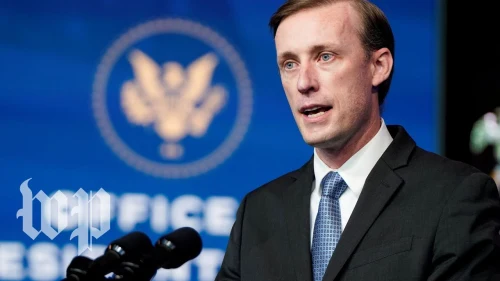
U.S. National Security Advisor Jake Sullivan told Israel’s Meir Ben-Shabbat that “the United States will closely consult with Israel on all matters of regional security.”