Newsletter
Newsletter Support JNS

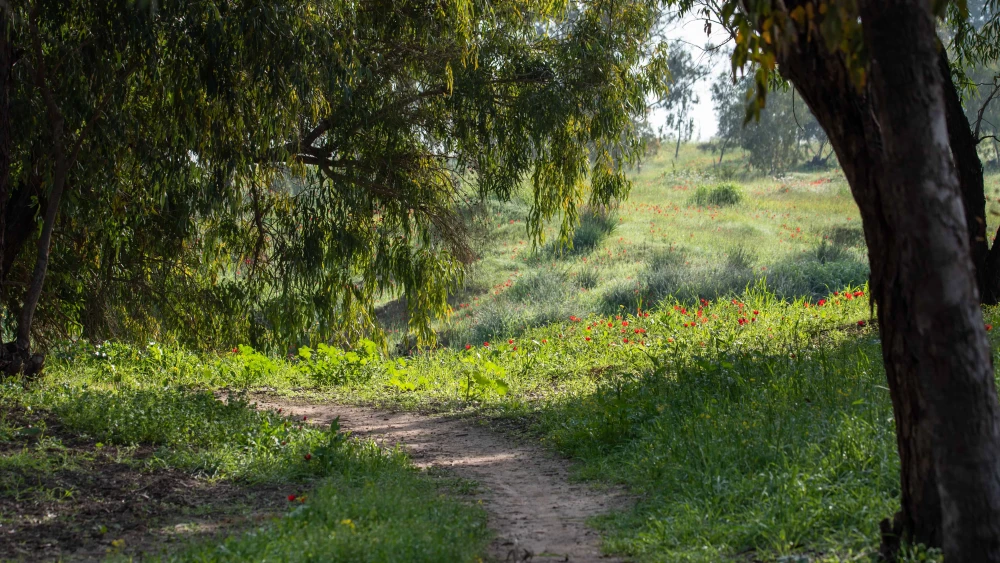
IDF lifts restrictions in Be’eri Forest; reopens trails more than 28 months after Oct. 7

The reopening “is far more than a sports event; it is a victory of the Israeli spirit,” said KKL-JNF chairman Eyal Ostrinsky.

The Be'eri Forest in southern Israel, Feb. 24, 2020. Photo by Mila Aviv/Flash90.
The Be’eri Forest in southern Israel, Feb. 24, 2020. Photo by Mila Aviv/Flash90.

Two years and four months after Hamas’s Oct. 7, 2023, attack on Israel’s south, the Israel Defense Forces on Wednesday lifted all restrictions in the Be’eri Forest, allowing for the reopening of its cycling trails.

“The trails were closed following the events of Oct. 7 and fighting that took place in the border region—since then, entry to the area had been prohibited,” said the Keren Kayemeth LeIsrael-Jewish National Fund.

The organization noted that the reopening of the bicycle paths marked “another stage in the gradual return to routine” in the Gaza Envelope.

“The reopening of the cycling trails in Be’eri Forest is far more than a sports event; it is a victory of the Israeli spirit,” said KKL-JNF chairman Eyal Ostrinsky. “In a place where we experienced unimaginable pain about two years and four months ago, life is now beating once again.”

One hundred and one residents of Kibbutz Be’eri were murdered by Hamas-led terrorists on Oct. 7, 2023. Thirty were taken as hostages.

Seven months ago, the IDF canceled an order declaring towns near the border with Gaza a closed military zone. The decision enabled civilians to enter the villages surrounding Gaza without restrictions for the first time since the start of the fighting.

Residents of the region were told recently that their communities would no longer be part of the closed zone, though some roads will remain off-limits for civilians amid continuing ground operations in the Strip.

See more from JNS Staff
Abdulkadir Al-Jelani, 58, is due in court on July 1 and faces charges of making the threats and three counts of assault with a weapon.
The designations include Hezbollah-linked institutions that “threaten regional stability, international security, mutual interests and global trade,” the U.S. Treasury Department stated.
Gerard Filitti, of the Lawfare Project, told JNS that “lax immigration policy” has always been the main driver of importing “terrorist ideology” into the United States.
“The teachers we have, we don’t respect and support in the way that they deserve,” Paul Bernstein told JNS. “If we’re successful and we grow enrollment, that problem only gets bigger.”
“The message being sent is that you can get away with attacking someone in broad daylight because you disagree with their opinions, especially if it involves feelings about Israel,” Joshua Burt, of the Anti-Defamation League, told JNS.
“Not identifying Hamas as a terrorist organization is, I think, a failure, Marc Miller told the Canadian Press. “And not clearly stating that, for example, Hamas intended to kill Jews is, I think, an unfortunate error in curation and should be rectified.”