Public debate over the ongoing U.S.-Israel-Iran conflict is increasingly shaped by simplified narratives rather than strategic reality. Americans are told that U.S. President Donald Trump betrayed a promise of “no new wars”; that Joe Biden’s administration prevented Israel from acting on faulty intelligence in the immediate aftermath of Oct. 7, 2023; and that Iran raced toward a bomb the moment the United States left the nuclear deal in 2018.
Each claim contains elements of truth. But all three compress complex realities into misleading conclusions, and in foreign policy, those distortions carry real consequences.
On Trump and “forever wars”: In the past, Trump frequently used anti-interventionist rhetoric, including “I’m the president of peace” and “I started no new wars.”
Many voters interpreted this as a categorical rejection of military action. But his own words suggest something more nuanced. In his Nov. 6, 2024, presidential victory speech, Trump said: “I’m not going to start wars, I’m going to stop wars. … Except we defeated ISIS.” That qualifier matters. It suggests a distinction between opposing conflicts writ large and opposing the use of force altogether. That distinction becomes clearer when viewed across his broader rhetoric.
His rhetoric consistently targeted what he called “forever wars,” referring to long-duration engagements such as Iraq and Afghanistan, which lasted eight and 18 years, respectively. Opposition to indefinite foreign entanglement is different than opposition to all military action. Treating it as such oversimplifies his position and distorts the policy debate around the use of force.
On Blinken and “bad information”: In a March interview, former U.S. Secretary of State Antony Blinken described restraining Israel from launching a preemptive strike against Hezbollah shortly after the Oct. 7 massacre of 1,200 people in southern Israel, citing what he characterized as faulty intelligence. The implication is that U.S. restraint prevented an unnecessary war, unlike the Trump administration, which caved to Israeli pressure.
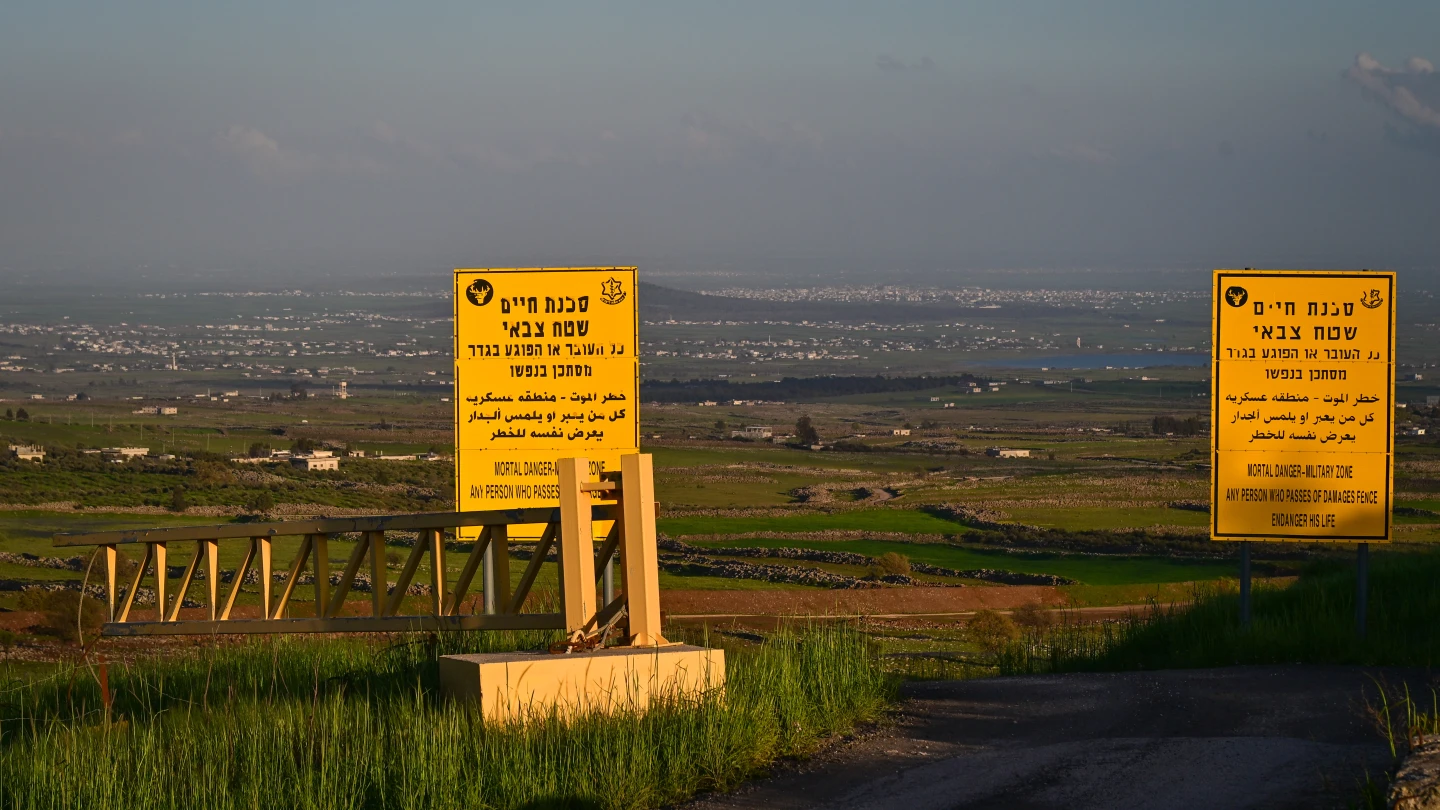
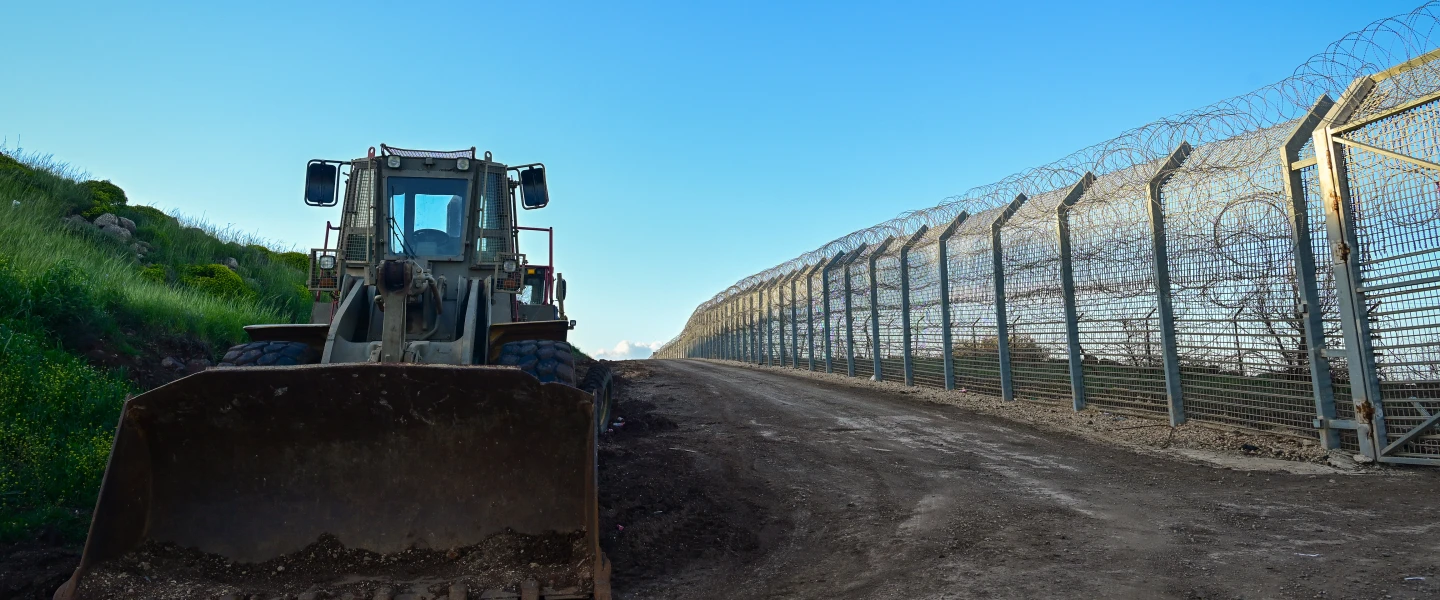
That framing, however, omits critical context. Whatever the quality of the initial intelligence, the broader threat from Hezbollah was not hypothetical. The group began firing rockets on Oct. 8, 2023, triggering mass evacuations in northern Israel that lasted over a year. Israel is now implementing a buffer zone, which can be seen as evidence that the threat was real and enduring.
This does not necessarily prove that a preemptive strike would have been the correct decision. But it does undermine the suggestion that the danger was overstated. When policymakers present a complex threat environment as a near-miss caused by “bad information,” they risk encouraging future underestimation of similar threats, an error that carries its own dangers.
On Iran and the nuclear timeline: A widely repeated claim is that Iran immediately accelerated its nuclear program after the United States withdrew from the 2015 nuclear deal in May 2018. The timeline tells a different story. Iran exceeded enrichment limits only after roughly 14 months and did not escalate to 20% enrichment until December 2020, more than two years later.
That escalation followed an Iranian parliamentary law passed shortly before Biden’s inauguration in January 2021, which effectively set conditions for renewed negotiations. The timing suggests a calculated effort to gain leverage over an incoming administration, rather than an immediate reaction to the U.S. withdrawal.
The assassination of nuclear scientist Mohsen Fakhrizadeh in November 2020 is often cited as the trigger for the heightened enrichment escalation. However, Iran had previously absorbed similar blows to their nuclear scientists without escalating enrichment; even in 2020, other incidents, such as explosions at key nuclear and missile facilities, did not produce immediate escalation.
Contemporary analysis, including by former Israeli intelligence chief Amos Yadlin, pointed instead to a strategy of waiting out the Trump administration.
Iran’s later enrichment to 60% confirmed what was believed to be the case: Escalation continued in stages and ultimately hardened into a sustained, strategic posture rather than a sudden sprint.
Political rhetoric does more than simplify; it can distort threat perception and policy judgment. These cases illustrate how selective framing turns complex strategic environments into clean narratives that favor particular conclusions. The danger is not merely academic. When policymakers and the public internalize those narratives, they shape decisions about deterrence, escalation and restraint.
Skepticism is not cynicism; it is a necessary discipline. In foreign policy, clarity matters. When rhetoric drifts too far from reality, the decisions it informs can carry lasting and irreversible costs.