It remains highly doubtful that the 14-point document the Pakistanis are enthusiastically waving around will actually be signed, especially since Iran itself has not even confirmed having reviewed it. Nor has anyone in Washington fully verified its contents.
Even if Iran’s new leader, Mojtaba Khamenei, who is reportedly speaking from a sickbed, were to give his approval, a full month of negotiations is still expected, and already some elements do not add up. It is difficult to imagine President Donald Trump entrusting the United Nations, under Emirati auspices, with oversight of one of the most important aspects of the agreement: eliminating the Iranian nuclear threat, a goal he has repeated countless times.
And yet, on May 5, Trump introduced a new tone, saying with considerable optimism that the parties appeared to have reached the objective of a possible agreement. Shortly beforehand, U.S. Secretary of State Marco Rubio had declared the military operation effectively concluded while also proclaiming victory: “Not a ship, not a plane, not an industry left in their hands.”
Trump may now want to bring home the results—but what are the chances that this will actually happen within the next 24 hours? Reopening the Strait of Hormuz is not especially difficult for the U.S. fleet. But the draft proposal also reportedly includes transferring enriched uranium to a third international entity. Some say Russian President Vladimir Putin is being considered because Tehran trusts him—a scenario unlikely to reassure Israel.
Under the proposal, Iran would abstain from uranium enrichment for 15 years, while the International Atomic Energy Agency, whose weakness has often been exposed, would oversee compliance. But what about everything else?
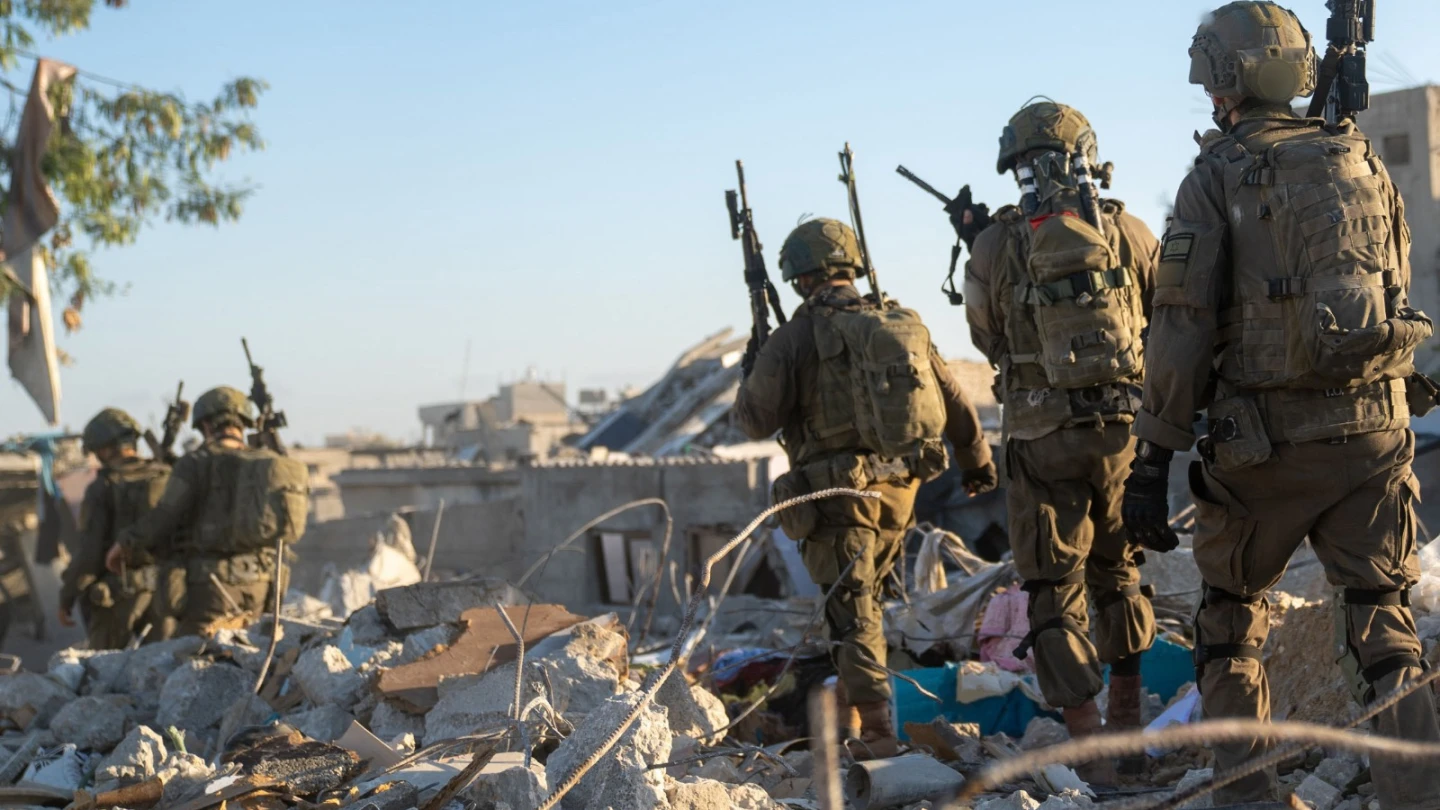
What about Iran’s proxies—above all, Hezbollah, which has hardly buried the hatchet and continues from Lebanon to prevent Israelis from living normal lives, attacking cities, agriculture, schools and workplaces? Israel’s military is still expected to fight with one hand tied behind its back while pursuing an almost impossible peace.
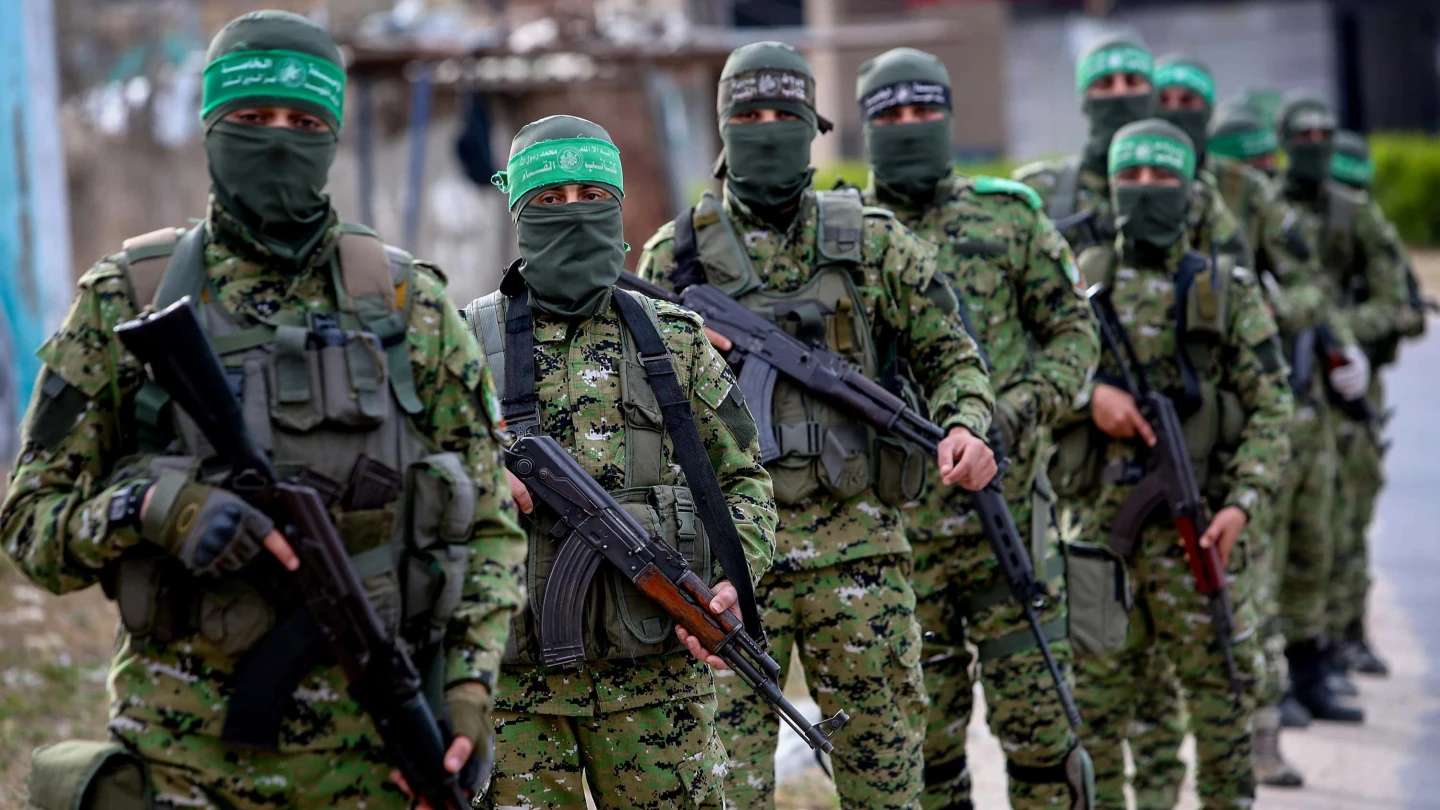
What about Hamas, which has not disarmed? And the Houthis, still firing missiles at Israel? If sanctions are lifted, will Iran once again flood them with money and weapons? Will Iran’s drone and ballistic missile industries—whose destructive power Israel has already experienced—continue producing the tools of war unchecked?
And ultimately, must the Iranian autocracy itself survive—the regime that persecutes women, dissidents and gays?
In Israel, opinions differ. Some claim the proposed arrangement appeared suddenly yesterday morning without prior Israeli consultation, even as American and Israeli officials had reportedly been preparing for a very different course of action.
At the same time, it is said that Trump and Israeli Prime Minister Benjamin Netanyahu speak by telephone every day, and that if this process does move forward—and that remains uncertain—strategic patience may yet yield results. For Trump, this is about achieving a political and moral victory. For Israel, it is a matter of survival, though perhaps now less dramatic after the war and amid the opening of new regional horizons.
Lebanon offers the clearest example. Trump surely understands that an Israeli withdrawal would destabilize the fragile new balance built in recent months, precisely around Israel’s usefulness against a common enemy. Many Arab states are increasingly supportive of expanded Abraham Accords, led by the United Arab Emirates, which already relies on Israeli missile-defense systems against Iran.
Meanwhile, Iran itself is exhausted: impoverished, increasingly hungry, with 184 million barrels sitting idle; with the Islamic Revolutionary Guard Corps cannibalizing the state and draining its remaining liquidity to survive at the expense of the country itself; with industries in ruins; and with 80% of the population despising the Ayatollahs and clinging to the raft of international pacifism simply to survive.
Iranian President Masoud Pezeshkian appears to be among the few who understand this reality—and perhaps at this very moment is pushing to hand over that cursed uranium.