Newsletter
Newsletter Support JNS

Secret Elbit deal with foreign state among the largest in company’s history

Under the terms of the agreement, the details of the “strategic defense system” and the identity of the foreign country cannot be made public..

Elbit Systems
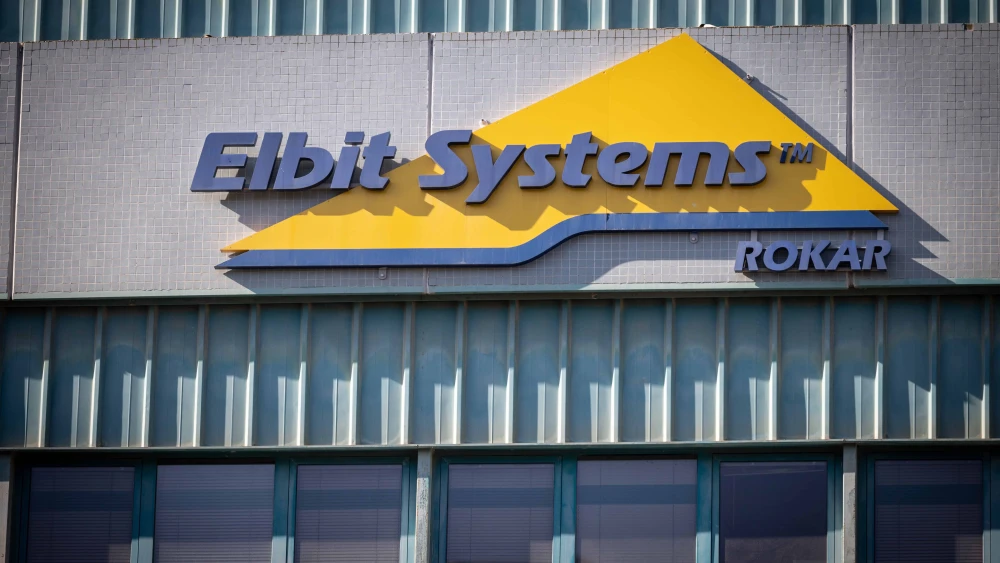
Elbit Systems’ offices in Jerusalem, Dec. 3, 2024. Photo by Chaim Goldberg/Flash90.

Israeli weapons technology firm Elbit Systems recently signed one of the largest deals in its history with a foreign state whose identity may not be made public, Hebrew media reported on Monday.

The deal involves a “strategic defense system” based on “groundbreaking” technology, and is planned to span about a decade, according to Calcalist.

The contract is worth around $2.3 billion and was signed with the full involvement of Israel’s Defense Ministry, according to the report.

Shortly after the deal was cemented in November, Elbit submitted a “vague” notice to Israel’s stock exchange, characterizing the contract as “a strategic solution with an international customer,” the report continued.

The secrecy of the deal was reportedly a condition stipulated by the foreign state, with any disclosure of its details leading to its nullification.

The Hebrew publication noted that the company’s latest deal is a feature of Israel’s new budgeting strategy, which encourages weapons sales with other countries as a financing solution for its own arms industry—instead of using funds from the treasury.

The Jewish state intends to significantly expand in the coming years the volume of defense transactions conducted through intergovernmental agreements, with 21 arms deals forged in the past year on the basis of this model, according to Calcalist.

See more from JNS Staff
“We will continue taking decisive action against those who seek to endanger national security and threaten the safety of Americans,” the U.S. attorney for the Western District of Missouri said.
Yechiel Leiter told JNS that he wrote in his introductory letter to the U.S. secretary of state that he represents “the people indigenous to the land of Israel. Period.”
JNS panel highlights the families, businesses and volunteers sustaining Israel’s war effort.
“It’s time to move forward and realize the potential of the Abraham Accords 2.0,” says Asher Fredman, director for Israel at the Abraham Accords Peace Institute.
“Despite their protestations and false statements to the contrary,” said the U.S. president, “Iran has fully and completely agreed to highest level nuclear inspections long into the future.”
Sixty-five percent of Victory’s 152 million shekel ($50 million) first-quarter year-over-year growth came from Gaza, according to a supplemental report released on June 14.
Benny Gantz, JNS editor-in-chief Jonathan S. Tobin, Gilad Erdan, Mosab Hassan Yousef, Nissim Black and leading voices in security, diplomacy, media, law and Jewish communal affairs headline the summit’s third day in Jerusalem.