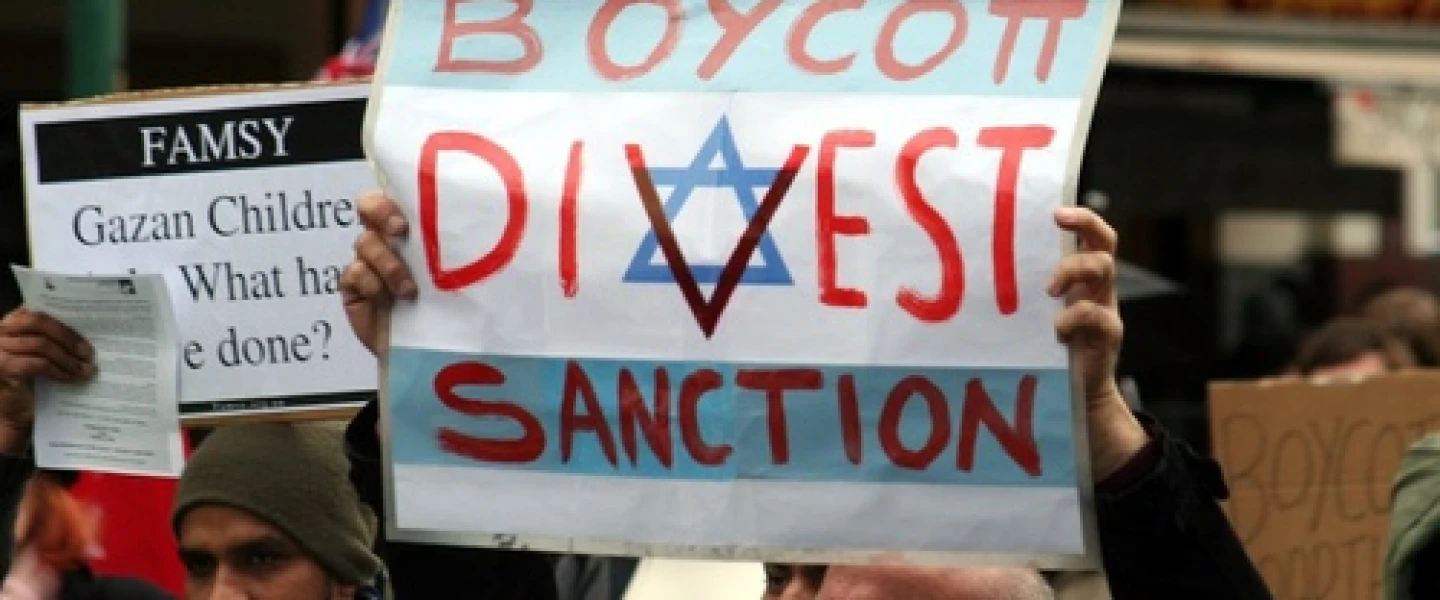
The Maldives has officially barred Israeli passport holders from entering the country, citing solidarity with Palestinians amid the Jewish state’s war against Hamas in Gaza initiated by the terrorist group’s murder-and-kidnapping spree in southern Israel on Oct. 7, 2023.
Its president, Mohamed Muizzu, signed the measure into law following its approval by parliament on Tuesday. According to the President’s Office, the decision reflects the Indian Ocean nation’s condemnation of what it describes as Israel’s “ongoing atrocities” against the Palestinian people.
The amended Immigration Act blocks entry for Israeli passport holders, though dual nationals may still visit using non-Israeli documents.
This move follows a 2024 Cabinet proposal and comes amid mounting domestic pressure for a stronger stance on the conflict. In 2023, more than 11,000 Israelis visited the Maldives, but arrivals dropped sharply in early 2024.
Israel’s Foreign Ministry has since advised citizens, regardless of secondary nationality, to avoid travel to the Maldives and recommended that Israelis in the country consider leaving due to limited consular support.
Muizzu also announced plans to appoint a special envoy to evaluate humanitarian needs in the Palestinian territories and to launch a national fundraising campaign under the banner “Maldivians in Solidarity with Palestine.”
The Maldives, whose population of 530,000 is more than 98% Muslim, previously lifted a ban on Israeli tourists in the 1990s and briefly explored normalization of relations in 2010, though diplomatic efforts stalled in 2012.
Since the adoption of the 2008 constitution, citizens and anyone wishing to become citizens are required by law to nominally follow Sunni Islam.