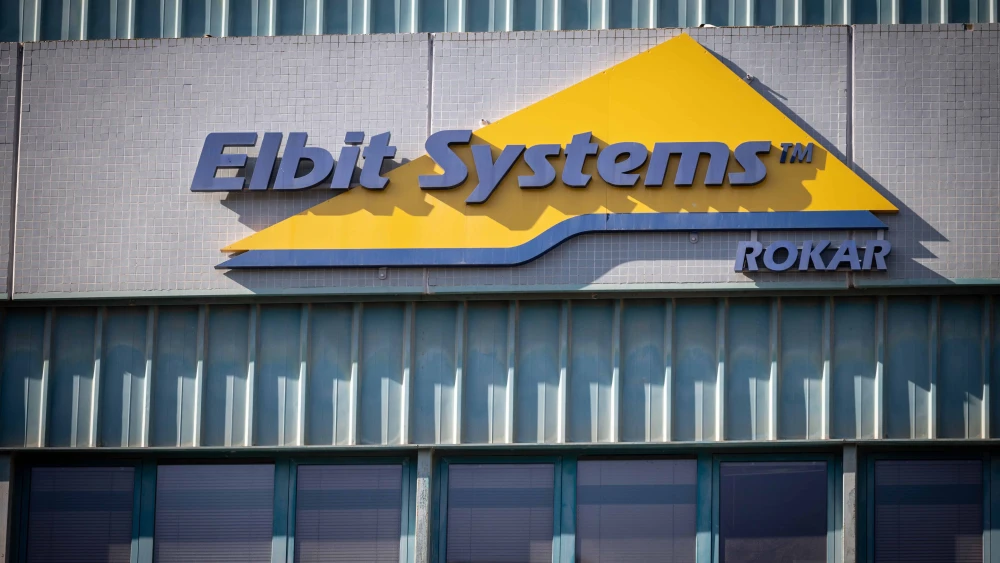
Israel has signed a contract with local security firm Elbit Systems to procure aerial munitions worth approximately 600 million shekels (~$200 million), the Israel Defense Ministry said on Thursday.
Production will take place at Elbit facilities across the country, employing thousands of workers, the ministry noted.
“We are continuing to strengthen the State of Israel’s munitions independence,” the statement quoted Israeli Defense Minister Israel Katz as saying.
“The Israel Defense Forces must have, at all times, the means to operate with power, speed, and without reliance on external factors. As we mark the 78th Independence Day, this carries special significance; true independence is also measured by the ability to produce and defend ourselves on our own,” Katz added.
The ministry’s director general, Maj. Gen. (res.) Amir Baram, emphasized that the contract is part of Israel’s strategy to expand its domestic defense production base in light of the lessons drawn from the war.
“We are not only equipping ourselves for the immediate term, but also laying the groundwork that will allow the IDF to face any combat scenario,” he noted.