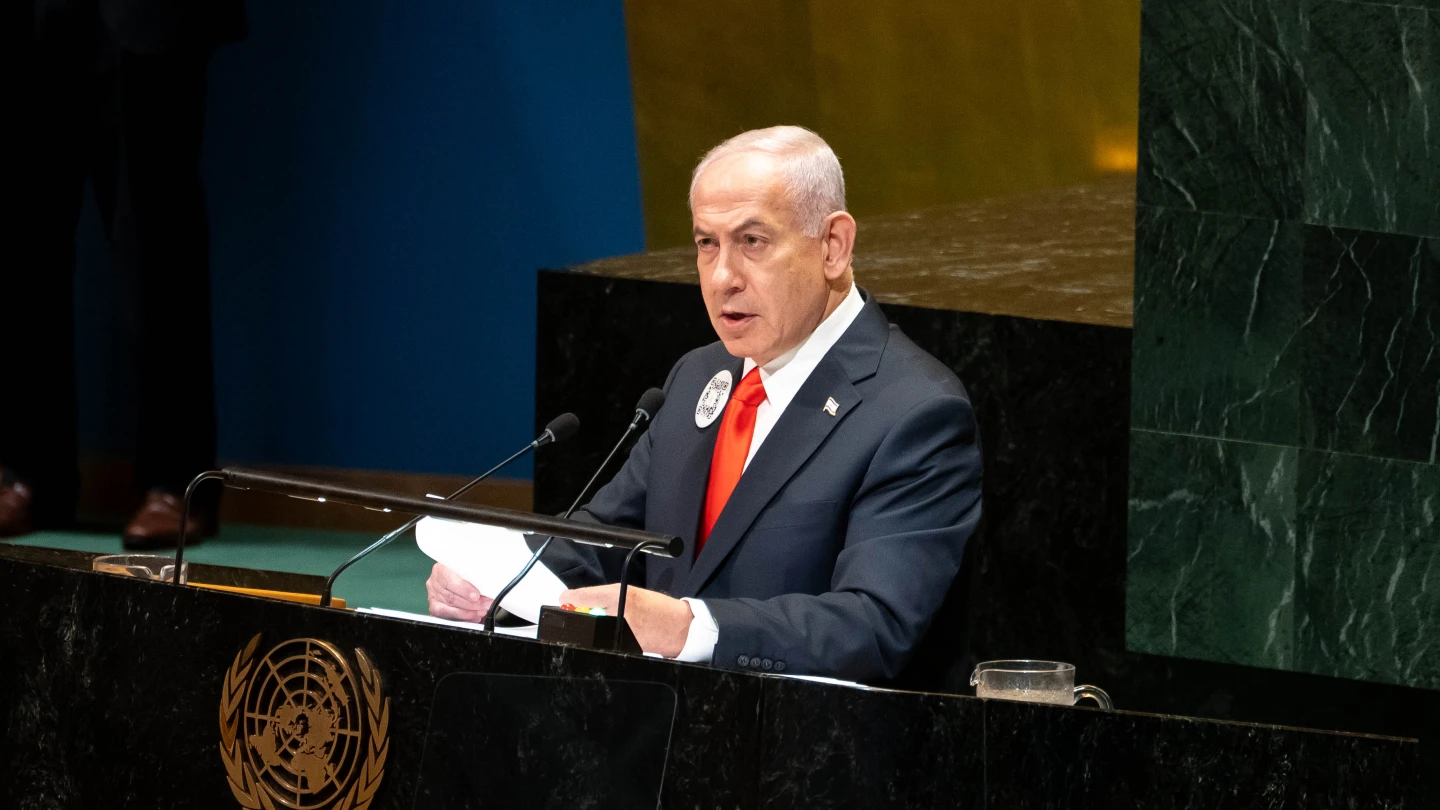
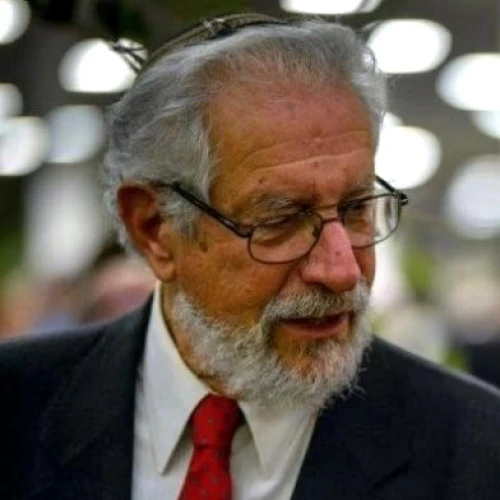
In an international system increasingly shaped by fragmentation, uncertainty, and the erosion of traditional alliances, diplomatic engagements are no longer judged by symbolism alone. They are measured by continuity, credibility, and strategic coherence. Against this backdrop, the recent meeting between Azerbaijani Foreign Minister Jeyhun Bayramov and Israeli Foreign Minister Gideon Sa’ar reflects far more than a routine exchange of views. It underscores a partnership that has matured beyond formal diplomacy into a durable strategic alignment shaped by shared interests, regional realities and a sober reading of global change.
The Azerbaijan-Israel relationship occupies a unique position in the broader geopolitical landscape. It is neither a product of ideological affinity nor a reaction to short-term crises. Instead, it represents a carefully cultivated relationship rooted in pragmatism, discretion, and long-term planning. In a region where alliances often fluctuate with political winds, the stability of ties between Baku and Jerusalem stands out precisely because it has been built quietly and incrementally.
For Israel, Azerbaijan is a strategic partner of exceptional importance. Geographically positioned at the crossroads of Eastern Europe, Central Asia, and the Middle East, Azerbaijan borders Iran while serving as a critical energy corridor to Europe. This location alone grants it strategic relevance, but its political posture amplifies that significance. As a secular, Muslim-majority country pursuing an independent foreign policy, Azerbaijan demonstrates that cooperation with Israel does not require ideological confrontation with the broader Islamic world. This reality carries considerable weight for Israeli policymakers seeking regional partners capable of balancing principle with pragmatism.
For Azerbaijan, Israel represents far more than a symbolic Western connection. It is a source of advanced defense technologies, cybersecurity expertise, agricultural innovation, and intelligence cooperation. Over the years, collaboration has expanded steadily across multiple domains without excessive public fanfare. This understated approach has allowed both sides to deepen trust while limiting unnecessary political exposure. The result is a relationship that is resilient precisely because it is not performative.
The discussions between the two foreign ministers reportedly addressed a wide range of international and global developments. While official statements remain characteristically measured, the broader context of the meeting is revealing. The Middle East is undergoing structural transformation, marked by prolonged conflict, shifting power centers, and intensifying competition among regional actors. At the same time, Europe faces energy insecurity and strategic uncertainty. Within this evolving environment, Azerbaijan’s role as a reliable energy supplier and political stabilizer has gained renewed significance.
Energy cooperation remains a cornerstone of Azerbaijan-Israel relations, but it no longer defines the partnership in isolation. Azerbaijan’s growing importance in Europe’s energy diversification strategy has elevated its profile among Western policymakers. Israel, in turn, views Azerbaijan not only as an energy partner but as a strategic anchor in a volatile region bordering Iran. This convergence of interests reinforces the logic of sustained high-level diplomatic engagement.
At the center of this strategic equation stands Iran. From Tehran’s perspective, the deepening relationship between Azerbaijan and Israel is not a diplomatic nuance but a strategic challenge. Iranian officials and state-affiliated media have repeatedly portrayed Azerbaijani-Israeli cooperation as a direct threat to Iran’s national security, particularly given Azerbaijan’s geographic proximity and its role in facilitating Israeli intelligence, defense coordination, and regional situational awareness.
Iran’s response has been neither passive nor fully escalatory. Instead, Tehran has adopted a posture of calibrated pressure. This has included military exercises near the Azerbaijani border, explicit warnings from senior commanders, and rhetorical signaling designed to deter deeper cooperation. At the same time, Iran has stopped short of direct confrontation, fully aware that overt escalation could push Azerbaijan into even closer alignment with Israel and Western security structures. The result is a tense but managed strategic standoff—one defined by deterrence, signaling, and restraint rather than open conflict.
This dynamic places Azerbaijan in a particularly delicate position. Baku has consistently rejected zero-sum diplomacy, maintaining constructive relations across the Muslim world while preserving one of Israel’s most reliable regional partnerships. Rather than provoking confrontation, Azerbaijan has pursued strategic autonomy through diversification—balancing relations without surrendering sovereignty. This approach reflects diplomatic maturity rather than ambiguity.
For Israel, the partnership with Azerbaijan provides strategic depth at a time when regional volatility remains high, and Iran’s influence continues to expand through proxies and asymmetric tools. For Azerbaijan, engagement with Israel enhances access to advanced technology and security cooperation while reinforcing its independent foreign-policy posture. Importantly, both sides have demonstrated an awareness of escalation risks and a shared interest in managing them responsibly.
For Western audiences, particularly in the United States and Europe, the implications are significant. The Azerbaijan-Israel relationship illustrates that strategic cooperation in the Middle East need not be framed through ideological binaries. It shows that pragmatic alliances can endure even amid regional polarization and that small and mid-sized states can exercise agency through disciplined, interest-based diplomacy.
The Bayramov-Sa’ar meeting thus carries meaning precisely because it avoided spectacle. In an era where diplomatic theatrics often substitute for substance, the quiet continuity of Azerbaijan-Israel relations sends a different message. Predictability, in today’s geopolitical climate, is itself a form of strength.
As global alignments continue to shift toward multipolarity, partnerships grounded in discretion and strategic realism will only grow in importance. The Azerbaijan-Israel relationship offers a glimpse into this emerging model of cooperation—one that operates beyond rhetoric, manages risk rather than amplifying it, and prioritizes long-term stability over short-term signaling.
In a region often defined by noise and confrontation, the calm consistency of this partnership stands as a reminder that the most consequential alliances are not always the loudest. They are built patiently, sustained deliberately and judged not by declarations, but by endurance.