Newsletter
Newsletter Support JNS

Texas divests $72 million from a company that boycotts Israel

The move by Texas is the first action taken by the state under its 2017 law that prohibits state agencies from investing in companies that boycott Israel.

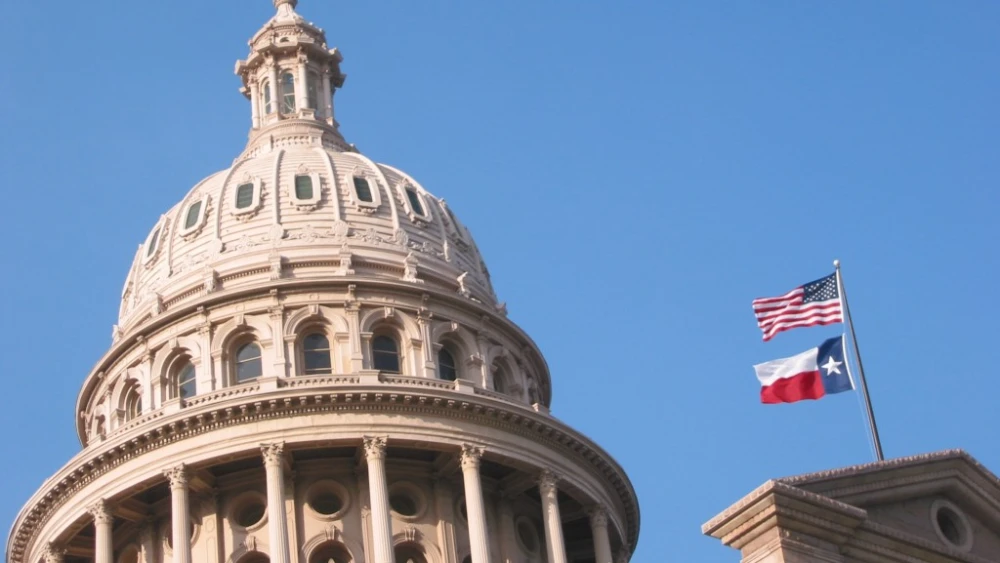
The Texas state legislature. Credit: Courtesy.

The State of Texas has divested $72 million from a Norwegian company that has purportedly boycotted Israel.

The move is the first action taken by the state under its 2017 law that prohibits state agencies from investing in companies that boycott Israel.

The Employees Retirement System of Texas and Texas Permanent School Fund—two major state pensions—own $68 million and around $4 million, respectively, in stock in the Norwegian financial services firm DNB ASA, reported The San Antonio Express-News. However, a DNB spokesperson denied that the company boycotts Israel.

Illinois, which also has an anti-BDS law, has listed DNB ASA as a boycotter of Israel.

The Texas legislature passed legislation last week to modify the anti-BDS law that, if enacted, would exempt individuals and smaller companies, specifically those with less than 10 full-time employees or valued under $100,000.

DNB ASA is Norway’s largest financial-services company and has also done business in Iran, which is an adversary of Israel.

The proposed venture between US Desalination and IDE Technologies would produce up to 50 million gallons of drinking water daily by treating seawater from the Gulf of Mexico.
A lawyer for the suspect’s ex-wife stated that his client and her family were “detained 10.5 months for a crime their father/ex-husband committed.”
“My opponent has no history of standing up for the Jewish community. I’ve spent 30 years earning trust through substantive legal and legislative work,” Esther Panitch told JNS.
“Each incident documented in the audit meant pain, suffering and anguish for a human being, a fellow Canadian,” the Jewish nonprofit said.
“This action cuts revenue streams that fund the regime’s destabilizing activities across the Middle East,” stated Tommy Pigott, State Department spokesman.
U.S. economic pressure on Tehran targets “both traditional sanctions evasion tools like front companies as well as the exploitation of innovative technologies like digital assets,” a U.S. official said.