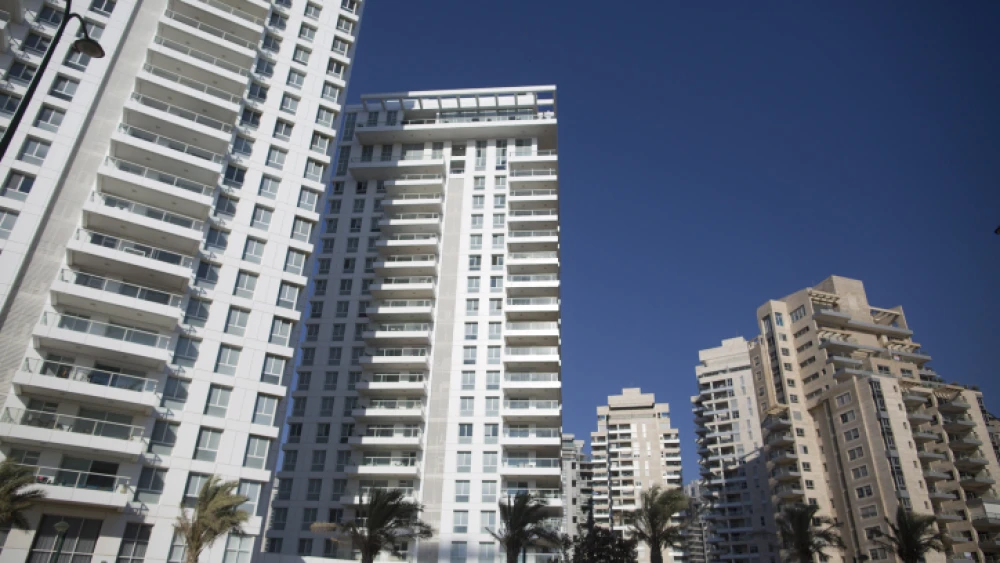
As Jews in Europe have become afraid to wear kippot in public and U.S. synagogues are becoming targets of terror, the sense of insecurity that many Diaspora Jews are feeling is prompting them to invest in homes in Israel, whether as part of a plan to make aliyah or just out of a desire for safe haven.
The phenomenon is particularly prominent among French Jews, many of whom have made aliyah in the past few years.
According to David Refael, a real estate agent who founded the Refael Group, this means demand for Israeli real estate will remain high. Refael noted that the same process takes place with every wave of aliyah. The Russian aliyah of the 1990s, he said, caused home prices to triple.
“Israeli developers should take advantage of the fact that it [the Israeli real estate market] serves a lot more people than actually live in the country, and take advantage of the opportunities before them—opportunities that, unfortunately, are the result of growing anti-Semitism and a growing sense of insecurity many of the Jews who live abroad feel,” said Refael.
Moti Iloze of Re/max Netanya said noted that “this year, we are feeling an uptick in purchases of homes by Jews from abroad at a significant rate, which is having an obvious effect on the market. We sold three apartments to foreign Jews this week alone. One from Russia, one from France and another from Britain. The Russian buyer never even came to Israel; we showed her the apartment on a live stream, and she bought it on the spot.”
Iloze said “this uptick is unusual because last year, apartments in Netanya weren’t selling so quickly. Now they are. It’s definitely affecting the market.”
Diaspora Jews tend to prefer the more high-end areas of the Israeli real estate landscape, along the coastline, and therefore those markets are the ones mainly affected by what Diaspora Jewry are experiencing in their home countries.
Currently, there are some 14.5 million Jews worldwide, approximately 6.5 million of whom live in Israel.
This article first appeared in Israel Hayom.