Newsletter
Newsletter Support JNS
Hillel Frisch

Hillel Frisch

Hillel Frisch is a professor of political studies and Middle East studies at Bar-Ilan University and an expert on the Arab world at The Jerusalem Institute for Strategy and Security.

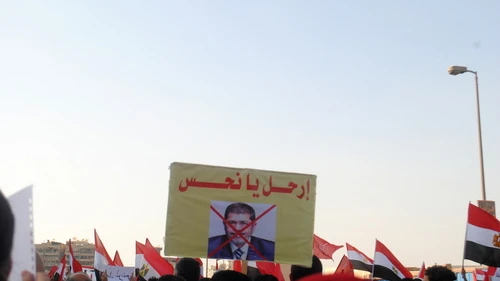
The lack of a reaction to the death of former Egyptian President Mohammed Morsi and the absence of religious demands by protesters in Algeria, Sudan and Iraq suggest that political Islam is waning after the defeat of Islamic State three years ago.
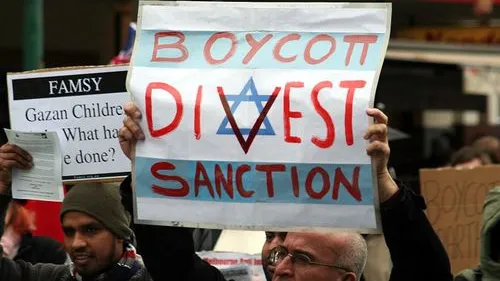
According to the BDS movement’s Palestinian branch, the impact of the movement “is increasing substantially.” Many pro-Israel sites and organizations agree, but how accurate is this prognosis?
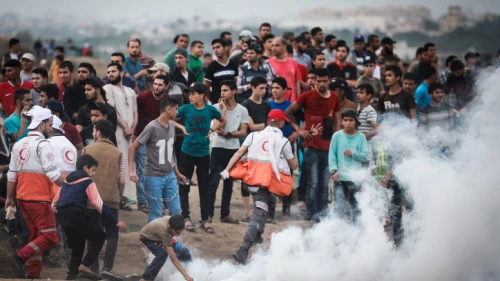
Hamas has failed to accomplish one of its signal goals: Nnothing it has done has succeeded in galvanizing the Arab population in Ramallah and Hebron to rise up against either Israel or the P.A.
To understand the Middle East, you have to think in Arabic and take religion much more seriously.
The grossly disproportionate aid given to the Palestinians, at the direct expense of much more beleaguered populations in Yemen and sub-Saharan Africa, exposes the self-righteous lie of equity and neutrality.
At one and the same time, the PA indirectly encourages terrorism while pursuing extensive security cooperation with Israel to quell it. Israel accepts this contradictory framework and will probably continue to do so, even during the succession crisis that is likely to follow Abbas’s demise.
Many want to avoid war and shower Gaza with economic aid before defeating Hamas. This would be an act of political delusion, not acumen.
For many years, General Assembly Resolution 181 was the document the Palestinians cited most frequently to buttress two of their major claims. They no longer do so because the document stipulates for the creation of a Jewish state, as emphasized by the nationality law they now decry.
A simple analysis of pertinent basic data that appears in the Shin Bet’s terrorist summary for the year 2006 alone shows that the idea of West Bank withdrawal, which would imply the cessation of IDF activity in the area, could be misguided and dangerous.
Israel could be the major beneficiary of a new order based on states and state actors minding their own business except for cross-border commerce that would augment regional stability.
Ever since the 1982 Lebanon War, the Israeli leadership has repeated the mantra that non-involvement in foreign battlefields is better than engagement. But no rule applies to all situations.
The easing of economic conditions, a strategy that benefited Palestinian areas in the West Bank, is touted as a way to achieve political stability in a Gaza ruled by Hamas. But this strategy only works after the enemy is defeated.