As the new academic year begins in the United States, many Jewish and Zionist students say they feel unsafe on campus, where anti-Israel encampments, hostile faculty, intimidation and harassment have become widespread.
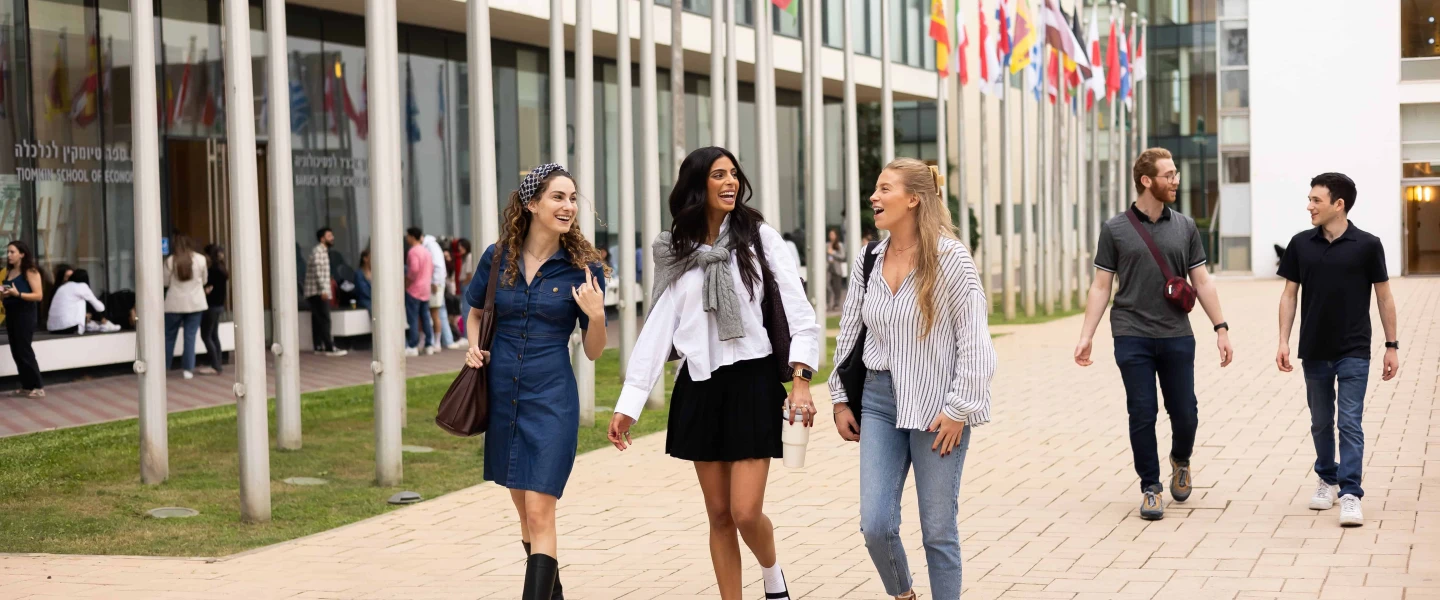
Some are turning to Israel—and in particular to Reichman University in Herzliya, the country’s largest international college—as a safer alternative.
Jonathan Davis, vice president of external relations and head of the Raphael Recanati International School, told JNS that even in the midst of Israel’s war with Hamas and heightened regional tensions, international enrollment remains steady.
“Despite the fact that we are in the middle of a war, we have practically the same number of students coming here as last year,” he said. “Some may consider Israel volatile, but others say certain U.S. universities are just as volatile. They are weighing the risks of coming to a place where they may be uncomfortable at times, but where they can freely express their views without being shamed. It is an interesting balance between those two things.”
Reichman University had some 2,500 students from more than 90 countries enrolled in the 2024-2025 academic year, making up about a third of the university’s total student body and representing the highest number of international students in Israel.
Davis emphasized that the university did not believe in using fear tactics to encourage students from the United States and elsewhere to come. “If someone fears something, they don’t need someone in Israel to tell them,” he said.
He said nearly all of the students who contact him describe anti-Jewish discrimination on campus, often at the hands of faculty.
“There are sometimes professors or lecturers who say certain things in class, even though they perceive themselves as believing in total
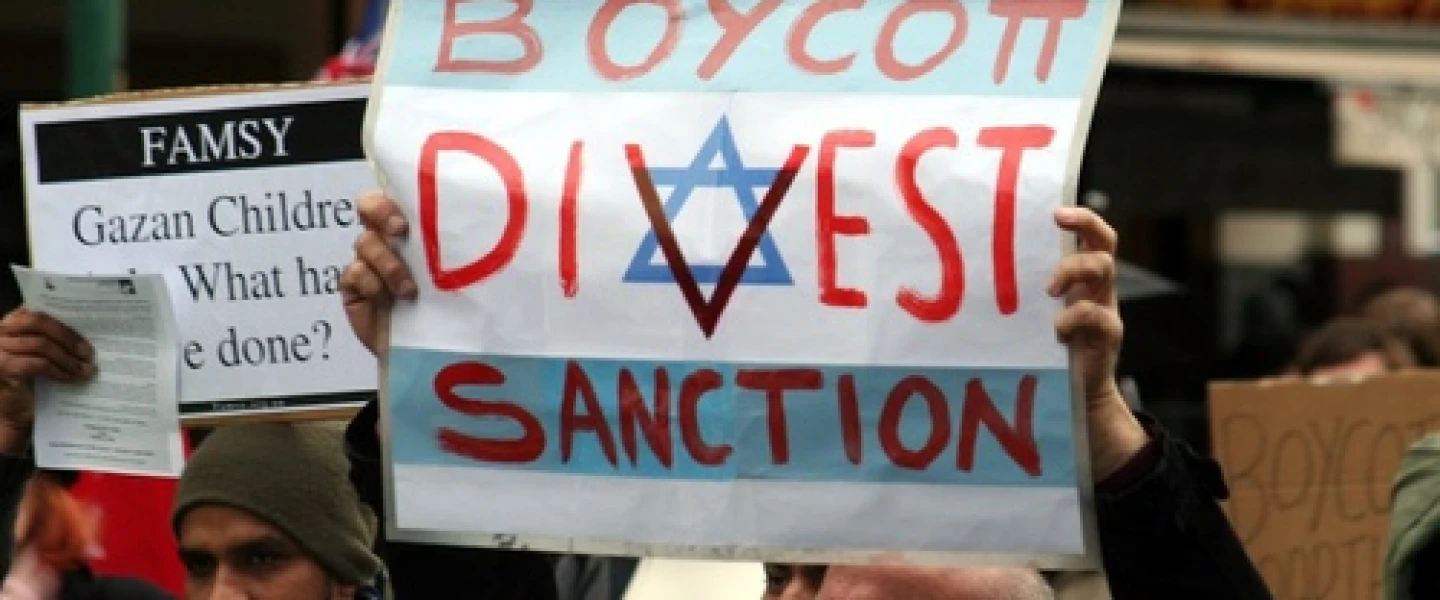
academic freedom of expression as long as the people in class agree with them,” he said. “Some professors are known to be part of the Free Palestine or BDS (Boycott, Divestment and Sanctions) movement and have been known to ostracize, shame or even penalize students to make them feel uncomfortable. Students feel that if they are Zionists and
they express their opinions, they could be shamed—or worse, have their lives put in danger.”
Congressional hearings and multimillion-dollar fines against Ivy League schools such as Columbia and Harvard have done little to curb the problem, Davis noted. He pointed instead to the influence of foreign funding, including Qatari donations, that shape the ideological leanings of faculty and ultimately their students too.
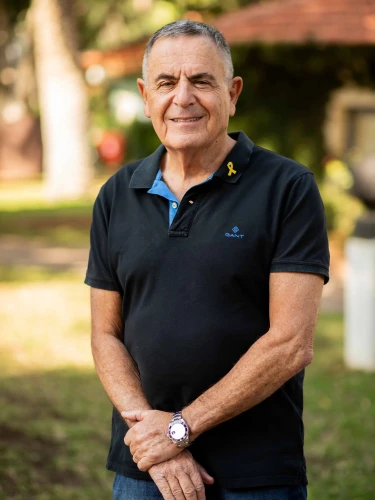
Davis said he has received at least 25 personal accounts of harassment from American college students. Nearly all of the students’ stories shared with JNS showed some kind of discrimination from faculty members.
Students spoke about being penalized for expressing opinions that contradicted the ideological or political views of professors or lecturers.
“One was a student from an Ivy League university who had straight A’s on her transcript and one B-minus. This B-minus grade prevented her from becoming valedictorian at that school in New York. She wanted to do her master’s degree in counterterrorism. I asked her what happened. She said that because she spoke up in class and expressed her view to a professor who had slandered Israel in class, it would cost her. No matter what paper she handed in, it was a B-minus. I took my pen, drew a line through the B-minus and gave her an A.”
This is just one example. Another student from a top West Coast university was falsely accused by her roommate of threatening her with a knife after the Hamas attacks on Oct. 7, 2023.
“She was interrogated for months, shamed by thousands on campus, and had to hire a lawyer,” said Davis. “Her father contacted me and we accepted her.”
Other cases include a University of Denver student who found pork left outside his dorm room; a Barcelona student who was physically threatened by Hamas supporters in his residence hall; and a young woman threatened with violence if she “ever opened her mouth in class again.”
Davis stressed that not all Jewish students are leaving U.S. campuses, and many avoid problems by keeping a low profile. “Some say the media makes it out to be worse than it is,” he said.
Still, for a growing number, Reichman University represents something U.S. campuses no longer provide: the ability to study without fear. While the new semester has started in the United States, Israeli university students—including those studying at Reichman—are set to return to their studies in November.