


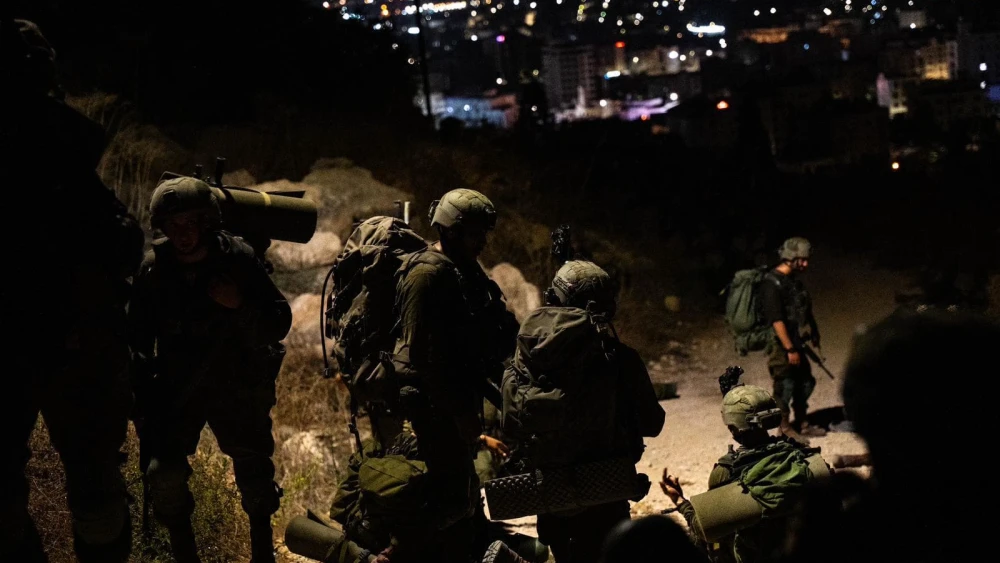
Israeli forces will remain in Jenin after the completion of “Operation Iron Wall” to ensure that the situation in the northern Samaria city “will not return to what it was,” according to a statement released by Israeli Defense Minister Israel Katz’s office on Wednesday.
The statement, which followed a visit by Katz with Israeli forces operating in Jenin, went on to emphasize that the goal of the operation was to destroy “terror infrastructure built in the Palestinian refugee camps with funding and weapons from Iran.”
IDF commando units have killed terrorists and made dozens of arrests over the last few days in the Jenin area, the IDF spokesperson said earlier on Wednesday.
Israeli forces also located and destroyed explosives and “many kinds” of weapons, as well as a lathe for the production of weapons and two warehouses, the military added.
On Monday, the IDF eliminated the head of the Hamas terrorist organization’s Tulkarem branch.
According to the military, Ihab Abu Atiwa participated in multiple shootings, including an attack on a vehicle at the Ramin Junction on July 16, 2024, which wounded three Israelis.



