Israel struck Hezbollah targets in two locales in Southern Lebanon hours after terrorists had fired rockets into Israel from the area in violation of the April 16 ceasefire, the Israel Defense Forces said on Friday.
The IDF strikes were on Hezbollah military structures in the areas of Kherbet Selem and Touline, the IDF Spokesperson’s Unit wrote on X.
On Thursday night, air-raid sirens sounded in Moshav Shtula following launches from Lebanon. The IDF intercepted the rockets and struck the launcher used to fire them, along with an additional ready-to-launch launcher, the IDF said. Three Hezbollah terrorists were eliminated after an unsuccessful attempt to launch a surface-to-air missile toward an IAF aircraft, the statement said.
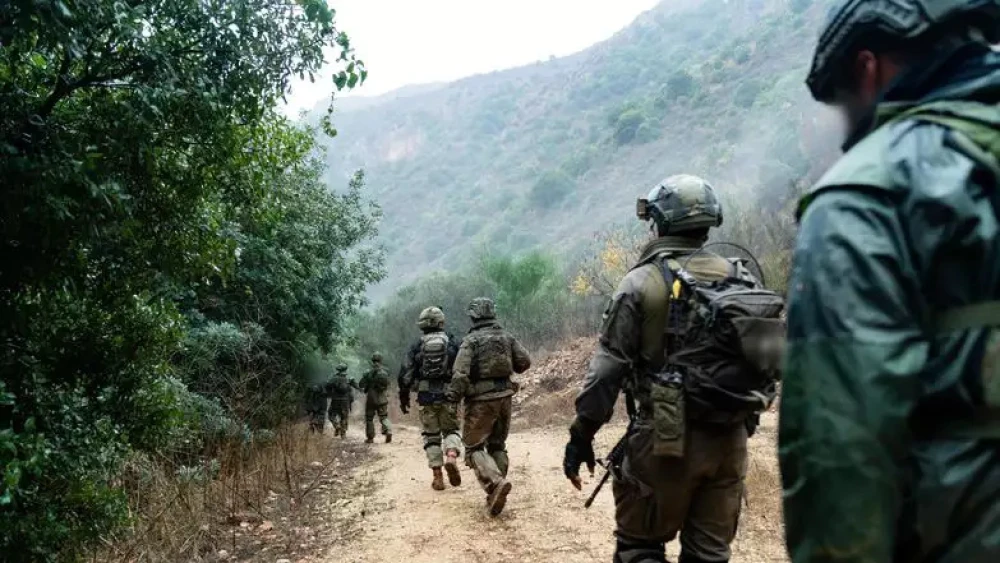
In two separate incidents, Hezbollah terrorists launched rockets and an explosive UAV toward Israeli soldiers operating south of the IDF’s forward defense line in Southern Lebanon, the statement added. “These actions constitute blatant violations of the ceasefire understandings,” the IDF said.
Also on Thursday, U.S. President Donald Trump said that Israel and Lebanon had agreed to extend the ceasefire between the two countries for three weeks.
The announcement followed a meeting at the White House between Israeli Ambassador to the United States Yechiel Leiter and Lebanese Ambassador to the United States Nada Hamadeh Moawad.
“The meeting went very well,” Trump wrote on social media. “The United States is going to work with Lebanon in order to help it protect itself from Hezbollah.”
U.S. Vice President JD Vance told reporters in the Oval Office that the truce would be under the same terms as the 10-day ceasefire which the two countries agreed to on April 16.
Hezbollah ended a previous ceasefire, reached in November 2024, on March 2, when it fired rockets into Israel in solidarity with Iran. Israel and the U.S. launched a military operation in Iran on Feb. 28, which they suspended on April 8 pending talks between Iran and the U.S.