Researchers at Bar-Ilan University have uncovered how the longevity-linked protein Sirt6 protects the body from age-related decline and disease. The findings were published in the Proceedings of the National Academy of Sciences.
The impact of Sirt6—often described as a master regulator of aging—closely mirrors that of calorie restriction, a dietary regimen shown in animals to extend lifespan and boost the body’s natural repair and healing mechanisms. Calorie restriction—eating fewer calories without malnutrition—boosts the body’s production of hydrogen sulfide (H₂S), a tiny gas molecule that supports wound healing, heart health and brain function.
The new study found that as we age, H₂S levels naturally decline, eroding these protective benefits. It also found that Sirt6 mimics the effects of calorie restriction, keeping the body’s repair systems running smoothly by fine-tuning H₂S production. But unlike calorie restriction, which broadly raises H₂S levels, Sirt6 acts with precision—boosting production when needed while preventing harmful excess.
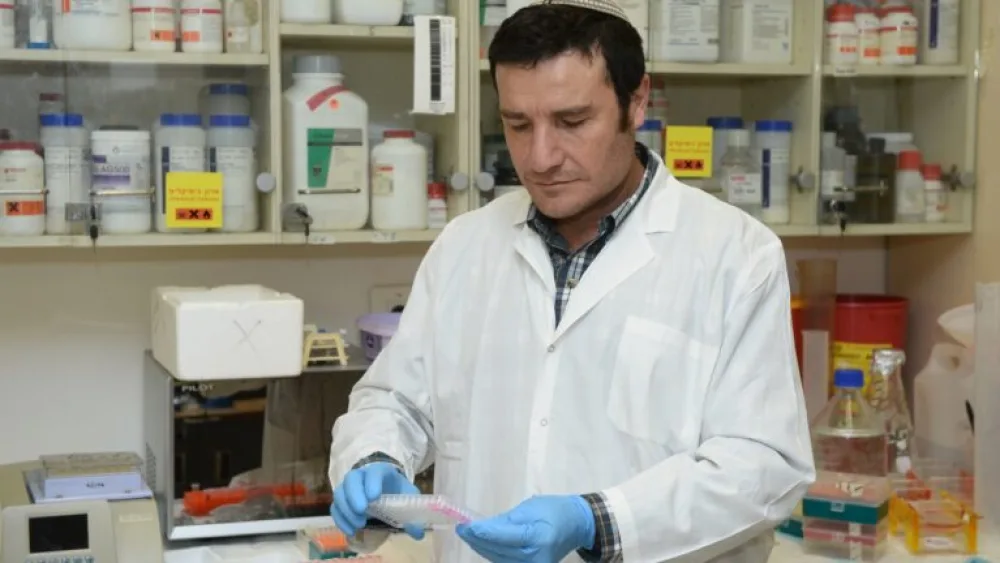
“Sirt6 protects against age-related diseases such as cancer, diabetes, frailty, and inflammation, and helps maintain the body’s natural balance as we grow older. It has one foot on the gas and the other on the brake—promoting hydrogen sulfide production when it’s beneficial but keeping it under control to prevent harm,” said professor Haim Cohen, director of the Sagol Healthy Human Longevity Center at Bar-Ilan University’s Goodman Faculty of Life Sciences, who led the study, performed by doctoral student Noga Touitou.
This discovery underscores the importance of metabolic balance in healthy aging. While earlier research largely centered on boosting H₂S levels to promote longevity, the Bar-Ilan team found that Sirt6 ensures a precise equilibrium—producing enough of the molecule to protect cells and tissues without tipping into toxicity.
“Our findings uncover one of the body’s natural strategies for preserving health during aging,” said Cohen. “By revealing how Sirt6 maintains a precise balance in H2S production, we provide new insights into the molecular mechanisms of healthy aging and identify promising targets for interventions that slow age-related decline.”
The study builds on Cohen’s earlier work showing that Sirt6 extends mammalian lifespan and shields the body from multiple age-related diseases. This new research takes a step further, revealing how Sirt6 achieves these benefits by precisely regulating hydrogen sulfide, a key molecule in the biology of longevity.