The government of South Sudan denied on Wednesday reports that it was holding talks with Israel about resettling Palestinians from Gaza in the East African country.
The African nation’s government said on its official X account that its foreign ministry “firmly refutes” the news, reported on Tuesday by the Associated Press.
Six sources familiar with the matter confirmed the negotiations to the news agency, it reported. Israel’s Foreign Ministry had declined to comment to AP.
“These claims are baseless and do not reflect the official position or policy of the Government of the Republic of South Sudan,” the statement by its government said.
A U.S. State Department spokesperson told AP that Washington does not comment on private diplomatic conversations.
Joe Szlavik, the founder of a U.S. lobbying firm working with the South Sudanese government, told AP that officials had briefed him on the talks. He claimed an Israeli delegation was planning to visit the country to explore the possibility of setting up temporary housing for Palestinians there.
Edmund Yakani, who heads a South Sudanese civil society group, also said he had been in touch with government officials about the talks.
Four additional sources with knowledge of the discussions confirmed talks were taking place, including two Egyptian officials, who said that Cairo was actively lobbying South Sudan against taking in Palestinians.
The AP report appeared shortly before Israeli Deputy Foreign Minister Sharren Haskel’s arrival today in Juba, South Sudan’s capital, for the first official visit to the East African country by an Israeli government representative.
Haskel will meet with South Sudanese President Salva Kiir Mayardit, as well as the country’s foreign minister and other dignitaries for talks focused on bilateral relations, her office said.
Citing a senior Israeli official on the matter, CNN reported on Thursday that four additional countries—Somaliland, Ethiopia, Libya and Indonesia—were included in negotiations to resettle the Gaza population.
In exchange, these countries are looking for “significant financial and international compensation,” according to the anonymous source.
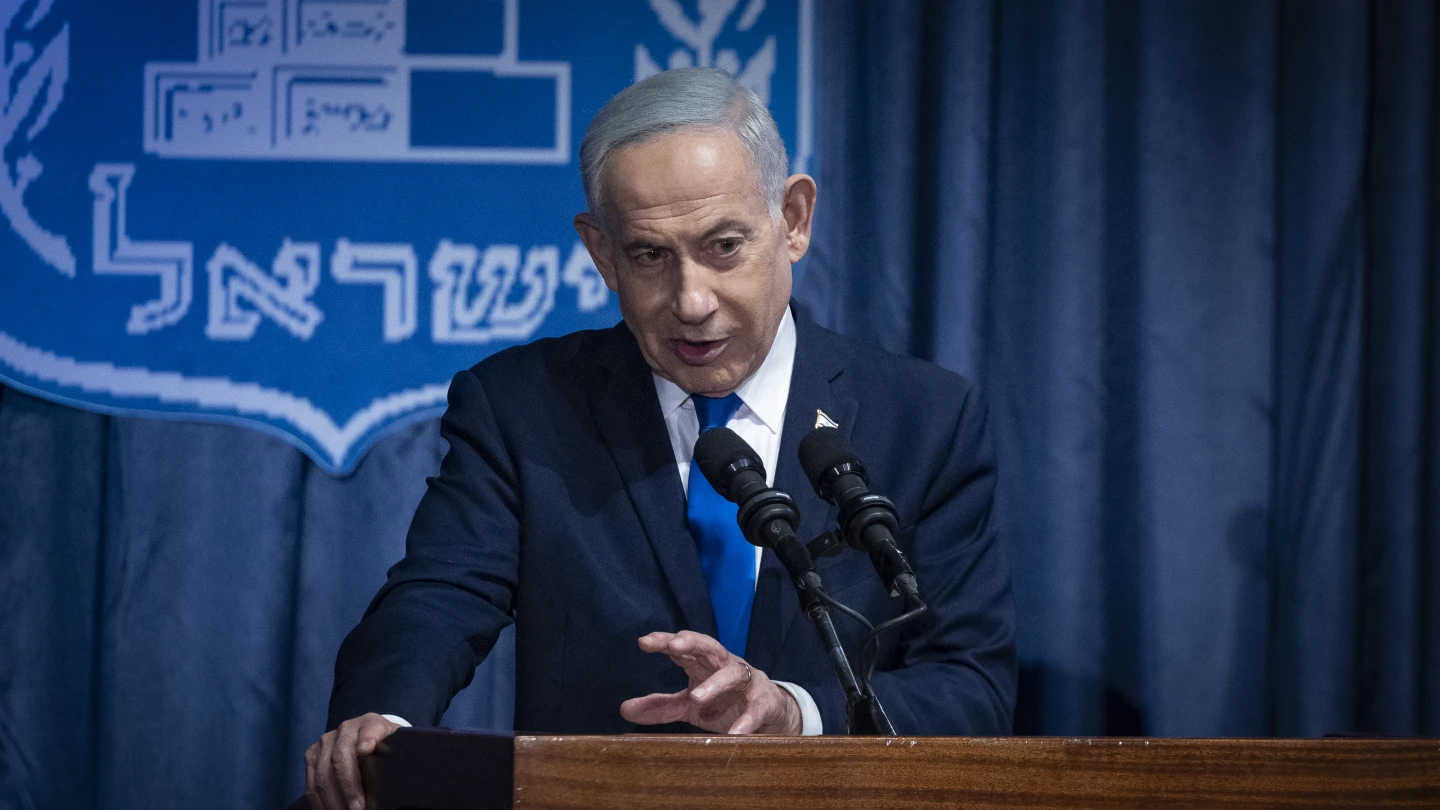
Speaking with the Hebrew-language i24News broadcaster on Tuesday night, Israeli Prime Minister Benjamin Netanyahu emphasized that encouraging emigration from the enclave was “the right thing to do.”
“I think that the right thing to do, even according to the laws of war as I know them, is to allow the population to leave, and then you go in with all your might against the enemy who remains there,” said Netanyahu.
The Israeli leader did not make any reference to South Sudan in the interview.
Last week, South Sudan’s minister of foreign affairs and international cooperation, Monday Semaya Kumba, visited Israel, which included meetings with officials and a tour of Samaria.
“Visiting this place [in Samaria] is very significant for us as a country and for our relationship with Israel,” Kumba said, adding, “South Sudan is a close friend of Israel.”
The Israeli Security Cabinet on March 22 approved Defense Minister Israel Katz’s proposal to establish a directorate within his ministry to facilitate the voluntary emigration of noncombatants from the Strip.
Katz stressed that the initiative aligns with the vision of President Donald Trump.
“We are working with all means to implement the U.S. president’s vision, and we will allow any Gaza resident who wants to move to a third state to do so,” Katz said in March.
A survey published in the U.K. newspaper The Telegraph earlier this year revealed that 52% of Gazans, or more than 1.1 million people, would leave the Strip either temporarily or permanently if given the opportunity.