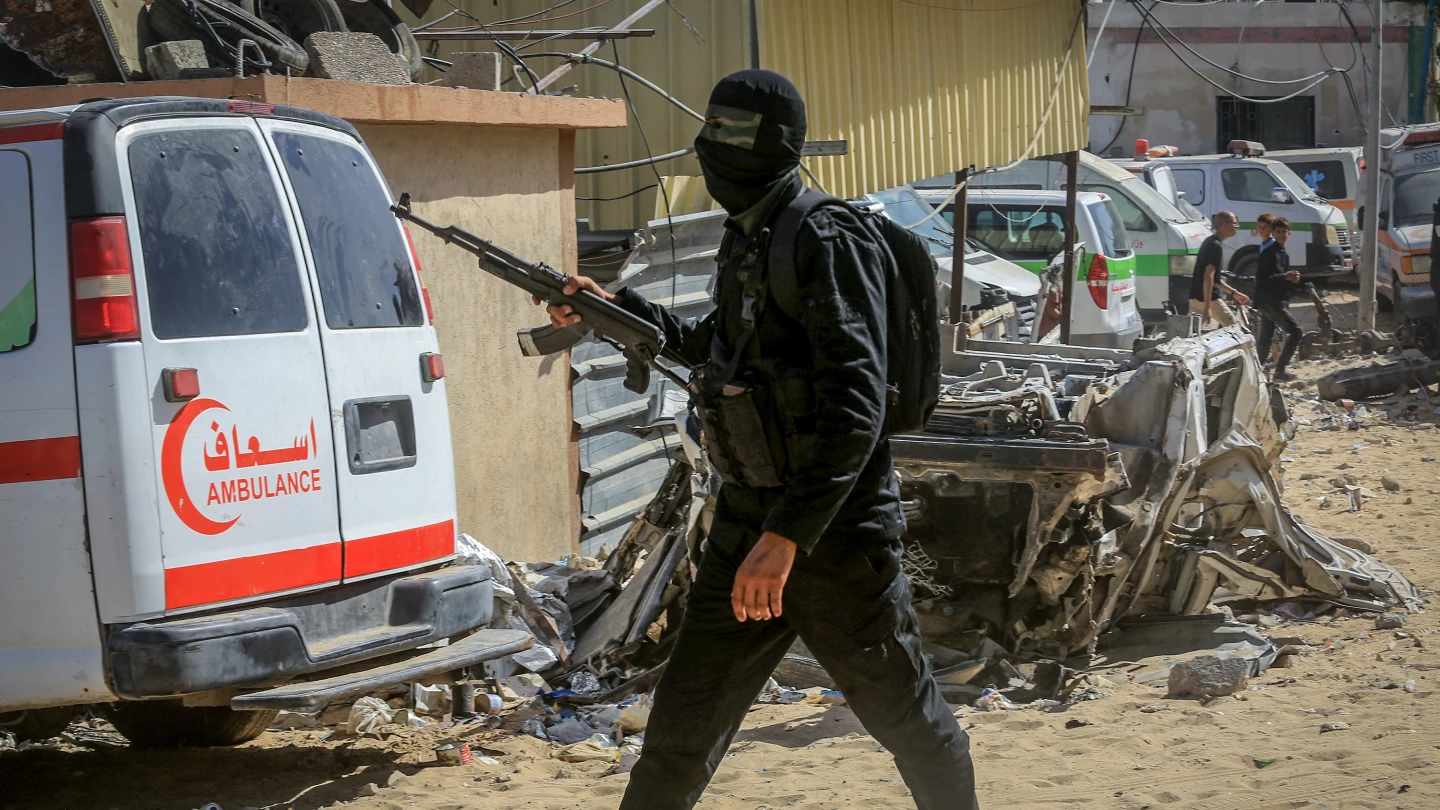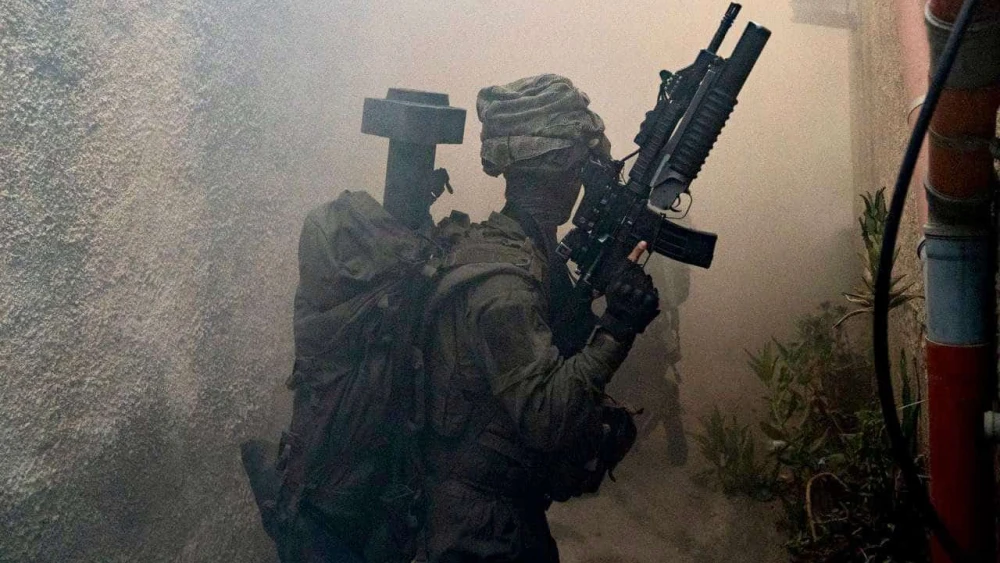
Israeli forces detained 70 Palestinian suspects during counter-terrorism operations across Judea and Samaria over the past week, the IDF said on Friday.
Troops also seized large sums of terrorism-linked funds and dozens of weapons, including explosive devices, M16 rifles and improvised “Carlo” submachine guns.
On Thursday, three terrorists were arrested in Qabatiya, near Jenin in northern Samara, while planning an attack on IDF troops. During the operation, soldiers discovered improvised explosive devices intended for use against them.
In a separate raid, Israeli soldiers uncovered and dismantled an explosives production lab in Al-Ram, near northern Jerusalem. Forces also operated in Hebron in Judea, apprehending five wanted suspects and confiscating hundreds of thousands of shekels earmarked for terrorism, along with a cache of weapons.
Two-thirds of Israelis (66%) fear the possibility of another Oct. 7-style massacre, this time originating from Judea and Samaria, according to a survey published this week by the Jerusalem Center for Security and Foreign Affairs (JCFA). Among Jewish respondents, 77% expressed concern, compared to 22% of Arab Israelis.
According to the JCFA, 64% of Israelis oppose the creation of a Palestinian state along the pre-1967 lines. Just 8% support statehood without conditions, while 17% would back it if Palestinians recognize Israel as a Jewish state and agree to demilitarization.
Among Jewish respondents, opposition is higher—77% overall, and 88% among right-wing voters.