Israeli Foreign Policy
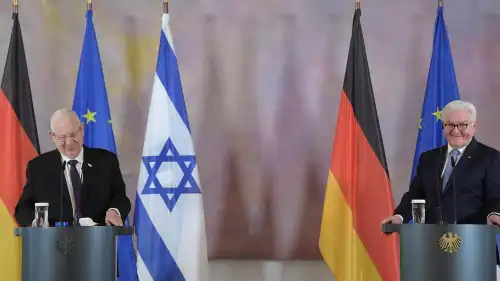
In the first of a planned series of working meetings with European leaders, Israeli President Reuven Rivlin and his German counterpart, Frank-Walter Steinmeier, discuss Iran, the ICC, COVID-19 and more.

A diplomatic note by Turkey claimed that the proposed undersea cable passes through its territorial waters in the eastern Mediterranean Sea.
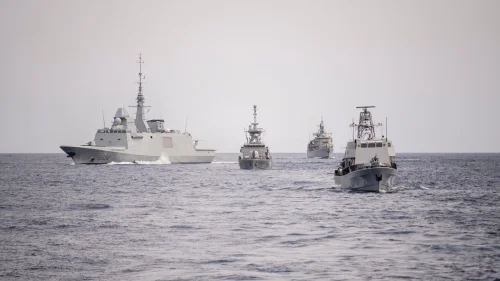
The exercise, called “Noble Dina,” involved “underwater warfare, search and rescue, convoy escort and surface combat,” according to a top Israeli naval official.
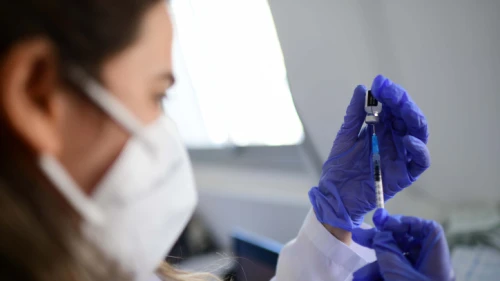
The humanitarian group is sending a COVID immunization team to the African country as part of its new “Global Vaccine Access” initiative.

The leaders spoke about exchanging “green passports” and involving Budapest and Prague in Israel’s planned international vaccine-production plant.

In her first Israeli media interview Hungarian Justice Minister Judit Varga says guaranteeing the future of Jewish life in Europe is an issue of the “utmost importance.”
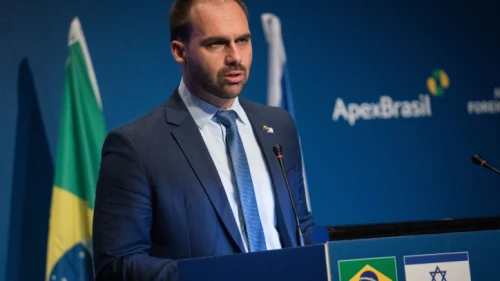
“I think we should have done it already,” says the São Paulo Chamber of Deputies member and son of the Brazilian president during a visit to Israel. “But right after I return [to Brazil], I will put the matter back on the table.”

Israeli Intelligence Minister Eli Cohen says the conference will help countries bring bilateral trade back to its previous high of $1 billion annually.
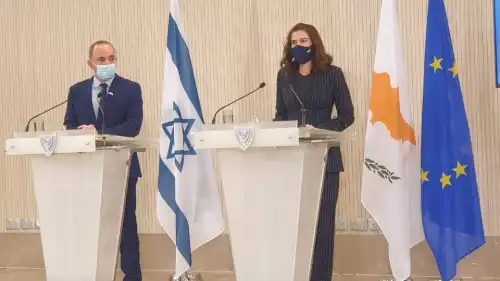
The $9 billion EuroAsia Interconnector will be the world’s longest and deepest underwater power cable, according to Israel’s Energy Ministry.

“We are working together to increase bilateral cooperation in the war on the virus,” says Israeli Foreign Minister Gabi Ashkenazi to counterpart Ernesto Araujo.

Rehovot-based Aleph Farms partners with Brazil’s BRF to co-develop and produce cultivated meat.

“Following the liberation of the occupied territories, in which Israel played a central role, Israeli figures are very interested in investing in those territories,” says Aryeh Gut, executive director of the Azerbaijan House in Israel.