
The Israeli Knesset hosted an event earlier this month that would have been unthinkable just a few years ago: Arab delegates from Saudi Arabia and Syria stood beneath the Israeli flag and called for peace. They used polished language, with words like “historic opportunity” and “regional realignment.” But behind the fanfare lies something darker. The Arab regimes seeking normalization aren’t doing so out of a newfound commitment to peace or democracy; they’re doing it because they’ve lost. Morally. Strategically. Ideologically.
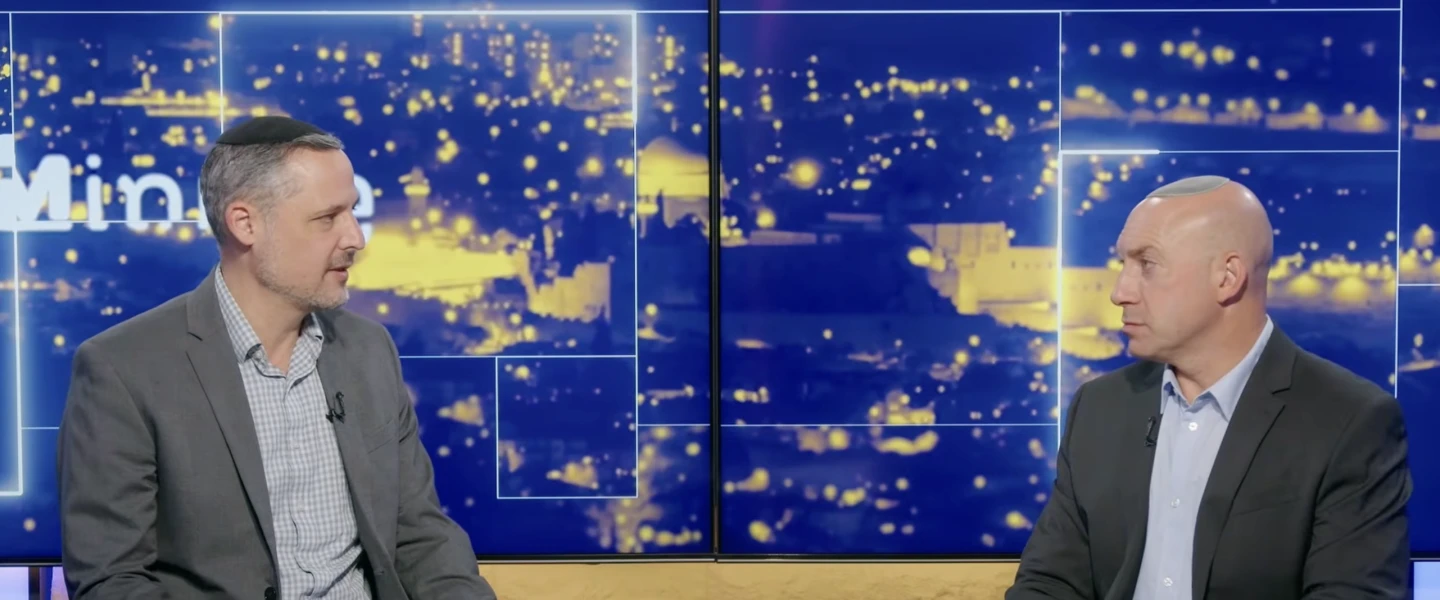
Shadi Martini, a Syrian opposition activist aligned with the transitional regime of its new leader, President Ahmed al-Sharaa, declared before Israeli lawmakers that Syria is ready to open a new chapter. He praised Israeli strikes on Hezbollah. He called the death of Hezbollah leader Hassan Nasrallah a “turning point” that benefited the Syrian people. He described the post-Assad period as a “once-in-a-century opportunity.”
Who is Martini really? And who is al-Sharaa? This so-called new Syrian leadership is composed of recycled opposition figures who, for years, either tolerated or actively collaborated with Islamist factions backed by Turkey and Qatar. Their rhetoric may now sound Western and moderate, but their history tells another story. Martini previously worked with Israeli programs during the Syrian civil war, yet he also moved in circles that justified the rise of extremist brigades in Syria’s south. Al-Sharaa, for all his promises, has yet to break ties with Islamist networks embedded in the new Syrian order.
So why the outreach now? Simple: The regime of Bashar Assad is gone. Iran is overstretched and feeling the pain. Hezbollah is leaderless. Syria’s new rulers are scrambling for legitimacy. They believe that by cozying up to Israel, they can secure Western backing, reconstruction funds and regional relevance. But their motivations are transactional, not transformational.
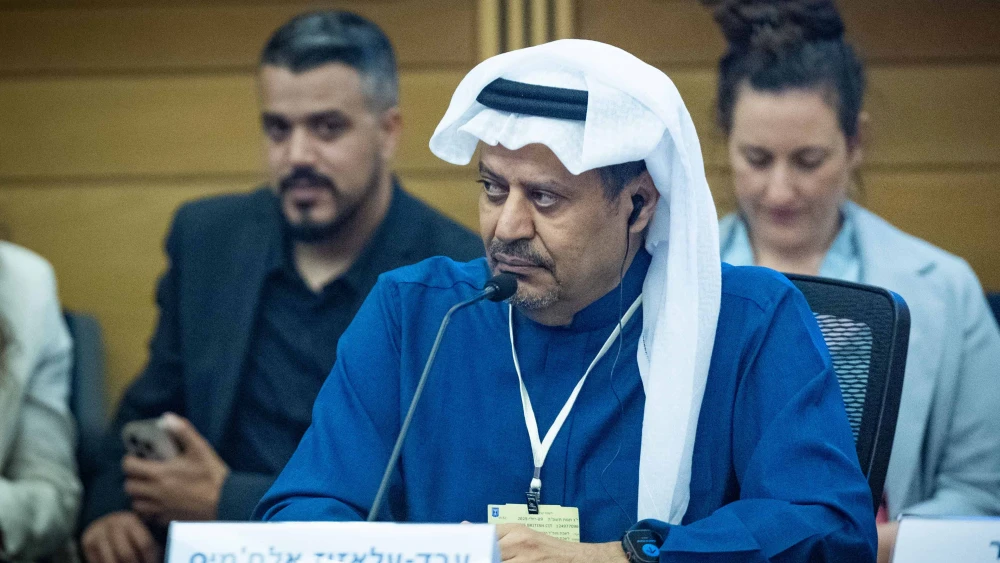
Then there’s Saudi Arabia, the great chameleon of the Arab world. At the same Knesset event, Saudi journalist Abdulaziz Al-Khamis urged Jerusalem to embrace coexistence and regional harmony. He warned that normalization must come with a path to Palestinian sovereignty, even playing the part of the peacemaker.
But Saudi Arabia’s real track record tells a different story. This is the same kingdom that spent decades funding Wahhabi ideology across the Muslim world—the very ideology that gave rise to Hamas, Al-Qaeda and the Muslim Brotherhood. It is the same kingdom that brutally murdered journalist Jamal Khashoggi while lecturing the West about reform. And it is the same kingdom that still bans churches, oppresses women, and exports anti-Jewish hate in textbooks and mosques.
Alkhamis represents the polished PR face of a regime that thrives on duplicity. Riyadh wants normalization with Israel, but only if it comes with American weapons, a nuclear deal and zero accountability. In other words, Saudi Arabia doesn’t want peace. It wants leverage.
What these delegates from Syria and Saudi Arabia prove is not that the Arab world has turned a moral corner. Rather, it proves that Israel’s power and resilience have forced its enemies to reconsider strategy.
Israel stood its ground after Oct. 7. It endured global pressure while dismantling Hamas’s infrastructure in Gaza. It decapitated Hezbollah’s leadership with surgical precision. It stopped Iranian entrenchment in southern Syria. It did what no other country in the region could or would do: It fought terror without apology.
That is why Syria’s new leadership is leaning towards Jerusalem. That is why the Saudis, for all their double-talk, are speaking Hebrew behind closed doors. They have no alternative. Their old modus operandi—blame Israel for everything, empower jihadists and distract the Arab street—has collapsed.
Yet amid this momentum, a note of caution is needed. Normalization cannot mean amnesia. Israel must not reward regimes that still harbor Islamists, suppress dissent or seek peace only to gain favors.
The Syrian regime must be judged not by its statements but by its actions: Will it disarm Islamist factions? Will it expel Iranian proxies? Will it recognize Israel’s sovereignty over the Golan Heights, land it lost in a war it started?
And the Saudis must be held to account: Will they stop funding extremist preachers? Will they reform their education system? Will they recognize Israel as a Jewish state, not just privately in Washington, but publicly in Mecca?