


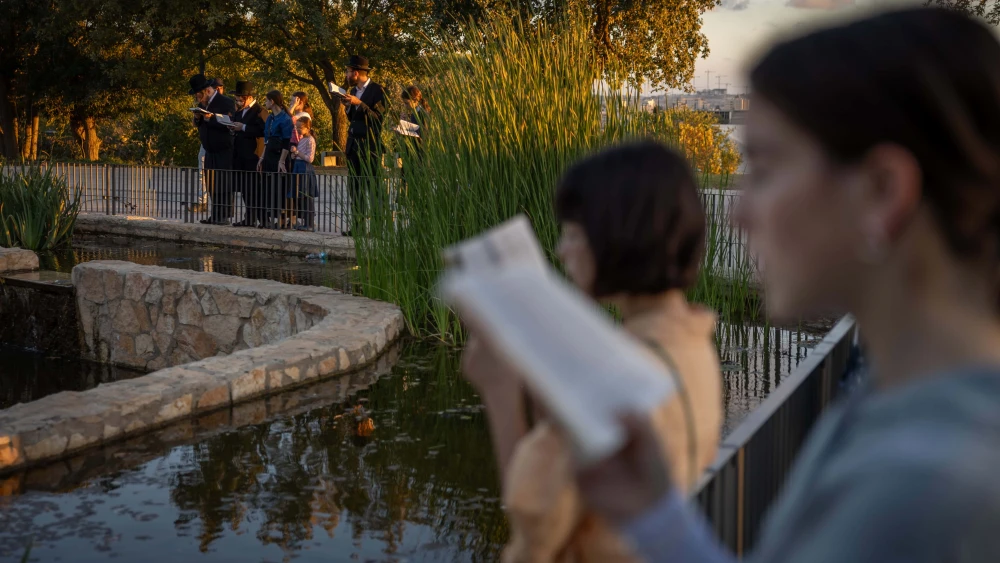


As Yom Kippur approaches, we find ourselves at a crossroads facing a world increasingly divided by misinformation, political agendas and cultural clashes. This holiest of Jewish days offers a unique opportunity for healing, reflection and reconciliation, not only with God but with one another. The call for atonement invites us to mend fractured relationships, not just in our personal lives but in the broader society. In a world dominated by echo chambers and polarizing narratives, the need for honest, compassionate dialogue has never been more urgent.
This year, as we reflect on the significance of Yom Kippur, we must ask ourselves: What role do we play in the misinformation that divides us? The disinformation war has escalated, and the lines between truth and distortion are increasingly blurred. We all contribute, knowingly or unknowingly, to this landscape. True atonement this year, then, is not just about seeking forgiveness but actively confronting the falsehoods we perpetuate and working to heal the divides that arise from them.
The challenge is not just in speaking but in listening, especially at a time when political and cultural divides have been amplified by algorithms and media manipulation. The echo chambers we live in only reinforce our biases, making it harder to engage in meaningful, open dialogue. Yom Kippur is a reminder that reconciliation requires more than just words. It demands intentional action and genuine empathy.
The holiday teaches us that forgiveness isn’t a passive act but a conscious effort to repair what has been broken. In the modern media landscape, the “broken” isn’t just personal relationships; it’s the way we communicate and understand each other on a global scale.
The narratives we consume are often framed to suit particular agendas, and those who challenge the prevailing narrative are often dismissed or silenced. But in the spirit of Yom Kippur, we must resist the urge to fall into ideological echo chambers. This day reminds us that we all have a role to play in repairing the larger fabric of society.
The solutions to our fractured world won’t come from silence but from dialogue. It is through open, honest exchanges that we can begin to break down the barriers. This is especially critical when discussing contentious issues like the current war in Gaza, where media portrayals often oversimplify complex realities. It is far too easy to condemn, blame or vilify without understanding the full scope of the situation.
We need more than superficial media coverage; we need firsthand exposure to the complexities on the ground. In the case of the war in Gaza, for example, bringing journalists directly to the region and allowing them to witness the everyday realities could go a long way in dispelling misconceptions. Sensational headlines often overlook the lived experiences of those most affected. As gatekeepers of truth, journalists have a responsibility to pursue the full, nuanced story.
This isn’t just about better reporting; it’s about shifting the culture of communication. Today, media consumers need to understand that the truth is often more complex than a headline. The responsibility to foster a more informed, empathetic dialogue lies not just with the media but with us all. We must choose to engage in hard conversations to seek out different perspectives and to challenge the biases that color our views.
True atonement, as Yom Kippur teaches, requires more than self-reflection. It demands action. The road to reconciliation starts with understanding; understanding the fears, biases and lived experiences of others. Only when we make the conscious choice to listen, learn and empathize can we begin to repair the divisions we’ve helped create.
We must recognize that the war on truth is not a battle for “sides” to win, but a collective struggle to rebuild a culture of integrity, understanding and respect. It means pushing back against sensationalism, questioning narratives and seeking more balanced, empathetic reporting. As media consumers, it means challenging our own assumptions and being open to perspectives we may have previously dismissed.
This Yom Kippur, let us take the lessons of atonement and apply them beyond our personal lives. Let’s recognize that the work of repairing the world starts with us, not just in asking for forgiveness but in actively seeking to understand and engage with others in ways that challenge division and foster empathy. Change begins with dialogue, and dialogue begins with listening.
The road ahead will not be easy, and the challenges we face, whether political, cultural or ideological, are deep-rooted. But true transformation requires more than words. It requires tangible efforts to bridge divides, heal wounds and foster unity. That means showing up, listening to others and recognizing that true understanding takes more than just an exchange of opinions; it takes an exchange of hearts and minds.
This Yom Kippur, let us remember that atonement isn’t just about forgiving the wrongs of the past. It’s about taking responsibility for the future we want to build together.


