


Column
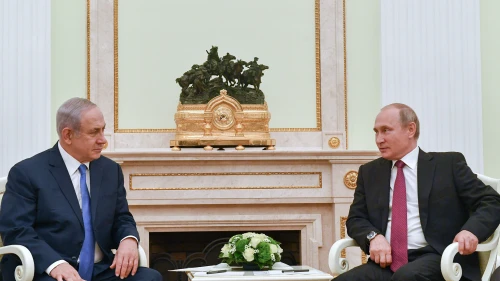
A pre-election invitation to Moscow illustrates the prime minister’s ability to navigate through the difficult foreign-policy choices facing Israel.
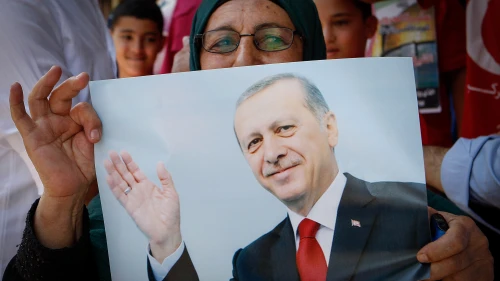
Israelis across the political spectrum have been talking a lot lately about “fearing” the results of the April 9 elections. This is not only preposterous when contrasted with the situation in Turkey, but also reeks of ingratitude towards Israeli democracy.

The comments of a New York City councilman about a country that doesn’t yet exist led to punishment that Rep. Ilhan Omar escaped for spreading anti-Semitism.
Former Obama aide and left-wing Democrats play the race card against Israel to portray anti-Semitic BDS as a civil-rights campaign and to denounce “Jewish money.”

Professor Alan Johnson lays out in excruciating detail the story of how an ostensibly enlightened, pro-European social democratic party became a home for activists trafficking in three distinct types of anti-Semitism.

The impact on Hezbollah and Assad’s forces buttresses the argument to end waivers permitting eight nations to sell oil to Tehran, which only helps keep the Islamist regime going.

The death of Air France pilot Michael Bacos, whose plane from Israel was hijacked to Uganda, reminds us that the anti-Semitism is a choice that the righteous can choose to reject.

International law used to distinguish between offensive and defensive wars. But modern interpretations have eliminated this distinction, and thereby ended up rewarding aggression.
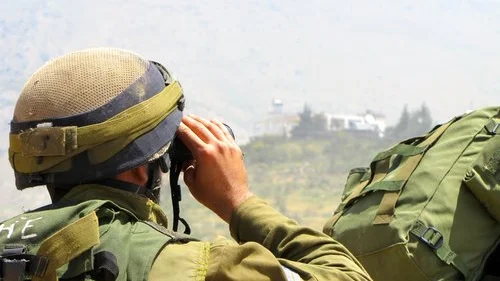
Pompeo thinks Trump may have been chosen to help save the Jews. But even if you leave religion out of it, there’s no denying that this is the most pro-Israel administration yet.
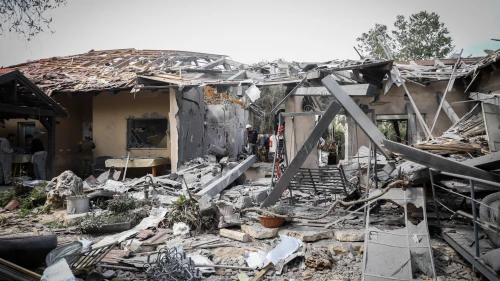
Most of the Israeli public is aware that Prime Minister Benjamin Netanyahu is not to blame for the asymmetric warfare imposed on the Jewish state by immoral forces bent on its destruction.
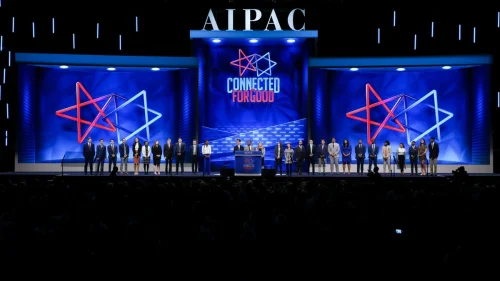
The lobby remains a bipartisan unifying point for the pro-Israel community, not a Republican auxiliary or an irrelevant group too timid to go to war against the Democrats.

As has been highlighted in several of the keynote speeches and breakout sessions, cracks in the foundation of Israel’s most critical alliance have caught the wider establishment by surprise. Is AIPAC capable of repairing the fissures?