


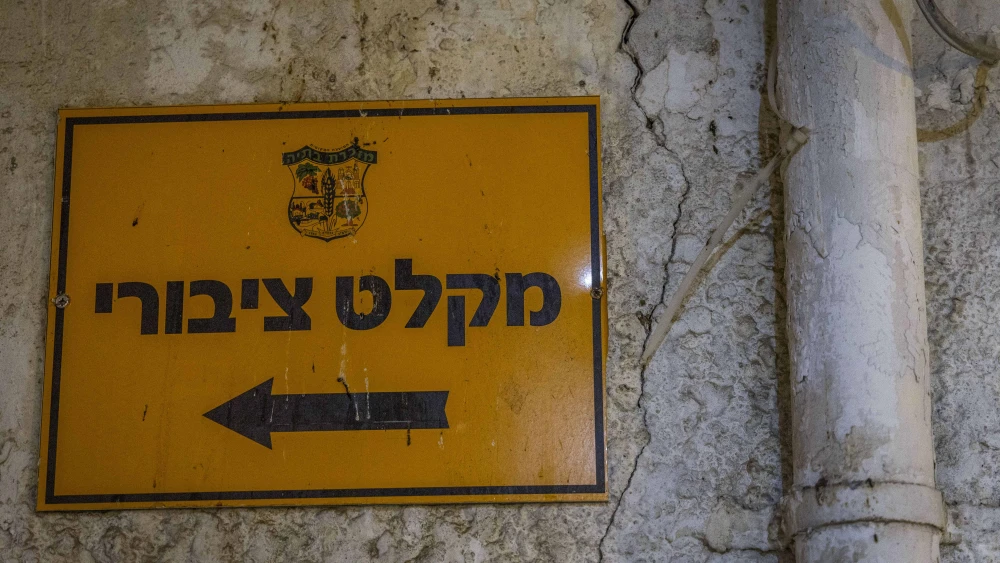

There is a war going on in Israel. Iran is launching barrages of ballistic missiles at targets all over Israel, particularly at night, to keep them exhausted. The country is locked down in a state of siege. No one can leave their homes to do anything that will bring them more than a few minutes away from a shelter.
Everyone there, whether they admit it or not, is terrified of the dangers they face. And yet I desperately want to be in Israel now.
Here is why.
I am a strong advocate for Israel and a huge supporter of the war we are waging for sovereignty, security and survival. I believe that the price we are paying for complete victory over our enemies and security for our homeland is worth it.
But that’s the problem: I’m not paying the price.
The psychological torture Iran and its proxies are inflicting on the brave Jewish residents of Israel is unfathomable to anyone who is not there. Parents, siblings and children have been called up into the Israeli Defense Forces to fight over the past two and a half years. Everyone in Israel knows too many people who have been killed fighting for the right of the Jewish people to live peacefully in their homeland.
The vast majority of Israelis support the war against Iran, as they have supported the war against Hamas and Hezbollah. But they are paying a high price.
Deep in my heart, I am with the people of Israel. But in the face of psychological torture, statements of solidarity are close to meaningless.
I keep the IDF Home Front Command app on all day, every day, so I hear every alert as they happen. I get woken up during the night when the sirens go off. I support groups financially that are helping fight the war, develop strategies to win it, and assist people suffering from it.
I choose to behave as though I am as impacted by the war as people living in Israel. But that ability to choose belies the emptiness of my efforts. By being able to choose to live this way, I am eliminating the psychological aspects of the terror Iran is inflicting on Israel. In a sense, by choosing this path, I feel empowered.
I promise you that the vast majority of Israelis don’t feel empowered by the life they are being forced to lead right now. And even if they do, they know they can’t opt out, which makes what I am doing incomparable to what Israelis are experiencing.
My daughter is in Israel, and I have other relatives there. My friends and their children are in Israel. They have no choice but to remain stuck at home, running in and out of bomb shelters, waking up multiple times a night by sirens, scared of being killed by a missile and challenged by the monotony of not being able to do anything about it.
And I am play-acting their experience in the security of my American home, trying to simulate what they are going through out of solidarity but with no hope of sharing in their real suffering.
It makes no sense to want to be in Israel right now. It’s dangerous. And being there won’t help Israel win this war. If anything, it will make more people worry about my safety. But I want to be with my people while they are suffering. And I want to experience the same jeopardy—by force and not by choice—that I am enabling through my prayers and actions.
We need to keep fighting this war until we achieve complete victory. In my unemotional opinion, the price that Israelis are paying is worth the outcome.
We Jews in the Diaspora should do everything we can to support Israel in this fight. But we shouldn’t pretend that our solidarity with Israel, and our choices in how we support Israel and Israelis, is enough.
Every Jew living in Israel is a hero of this war. I want to be in Israel now because I want to be a part of the army of Israelis who are winning the war simply by being there.


