Israeli Prime Minister Benjamin Netanyahu issued a warning to Turkish President Recep Tayyip Erdoğan mid-month, saying Jerusalem would not tolerate a southward Turkish military expansion or buildup in Syria, on Israel’s northern border. He simply stated: “Don’t.” He and Israeli Defense Minister Israel Katz issued clear warnings against Ankara in establishing such a presence.
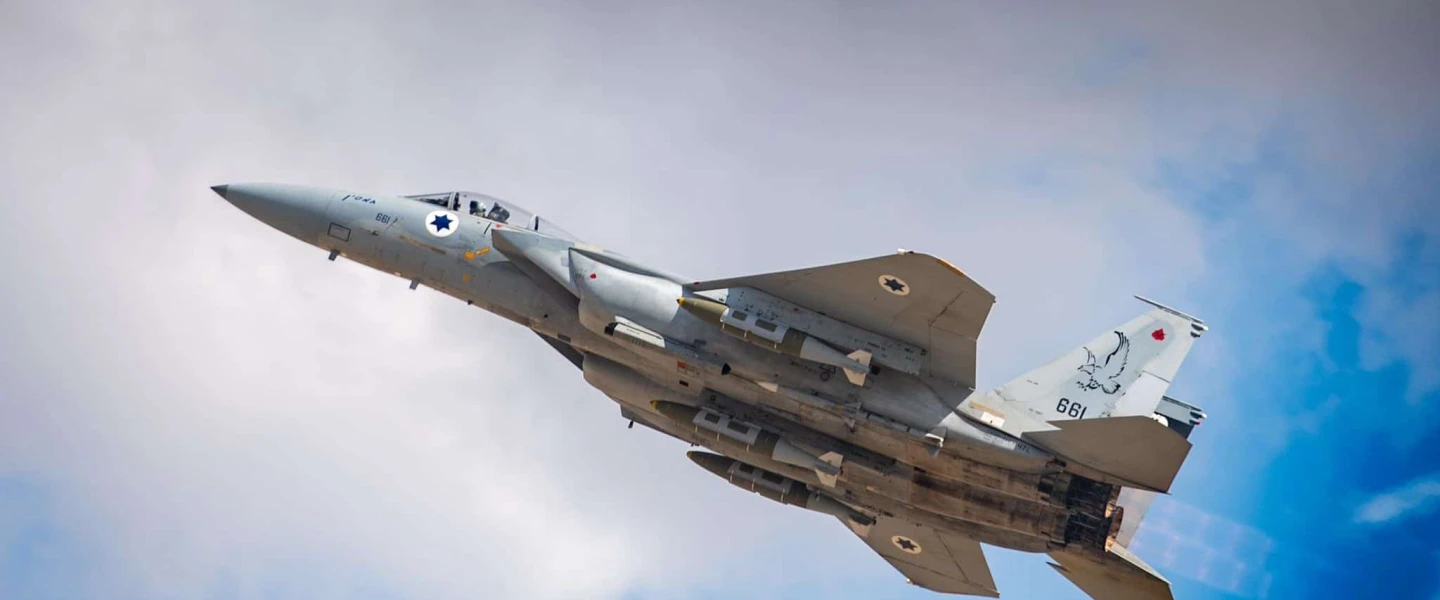
Then, on Aug. 18, the Israel Defense Forces launched a strike on the Abu al-Duhur Airbase in the Idlib Province. Turkish military forces had been examining the facility to establish a military base there. Netanyahu noticed that his warnings went unheeded.
The IDF struck the airbase to make sure that the prime minister’s words and the boundary between the three countries were “understood more clearly.”
Talk of Turkey impeding Syrian sovereignty turned heated, with Syrian President Ahmed al-Sharaa viewing both sides of the equation.
If Israel lived in a neighborhood where its neighbors were Canada and Mexico, perhaps geographic borders and boundaries would mean something different entirely. Unfortunately, Israel lives in the Middle East.
An inconvenient truth about the situation that many in the West would like to deny is that there are those in the Arab and Muslim world who would sooner obliterate the State of Israel than learn to work together as a coherent unit. With Israel making so many strides in the fields of medicine, pharmacology, technology, agriculture and water development, one would imagine that its regional neighbors would want to jump on board this rapidly accelerating fleet rather than float aimlessly on a single ship.
Perhaps the war in Shia Iran is helping these nations to see things more clearly and pragmatically.
There are a few exceptions. Despite periods of deep strain, Bahrain had recognized Israel in 2020, alongside the United Arab Emirates. Since the dastardly events of Oct. 7, 2023, Bahrain has managed to maintain its commitment to normalization with Israel, despite domestic pressure. The public has been somewhat hostile to the events between the two countries, sympathizing with the plight of the Palestinians.
King Hamad bin Isa Al Khalifa and Israeli President Isaac Herzog spoke by phone last month to discuss current ties and regional developments. Herzog posted on X: “Bahrain is an important country in the Middle East, and I congratulated the king on his bold leadership and vision for the region.” Both sides discussed the path of bilateral relations under the Abraham Accords, regional developments and continued dialogue supporting regional security, along with future prospects for a fuller partnership between Manama and Jerusalem.
Bahrain has been put in a delicate position. It is one of the 10 non-permanent elected seats of the U.N. Security Council and happens to be serving a two-year term that started in January, ending on Dec. 31, 2027. In its favor, Bahrain has drafted many statements condemning the Islamic Republic of Iran over strikes drawn toward U.S. military installations, drawing condemnations from Russia and China. Manama is trying to balance this delicate relationship.
Ties with the United Arab Emirates are significantly deeper. On Feb. 28, the Islamic Republic launched missile and drone attacks on the UAE. Israel was able to support the Gulf state by offering their Iron Dome system, along with IDF personnel. (It was the first Iron Dome attack and usage outside Israeli borders.)
Together, in a coordinated attack with the United States and Israel, the UAE was able to respond with its own warplanes against the Islamic Republic. On March 1, it closed its embassy in Tehran. Abu Dhabi might well emerge from this war with a closer relationship with the Jewish state than any other Arab and Muslim nation.
We therefore cannot take a myopic view of all players. As far as Turkey and Syria go, at this point, tensions seem to have calmed down. Still, President Ahmed al-Sharaa, new to the political stakes as a head of state, seems to view Erdoğan with rose-colored glasses. The reverse is also true.
For the time being, Ankara has chosen an off-ramp out of a possible crisis. Surely, neither it nor Damascus wants a hot conflict right now with all that’s going on with Iran and its proxies.
What will the future hold? Like all things in the Middle East, it’s anyone’s guess.