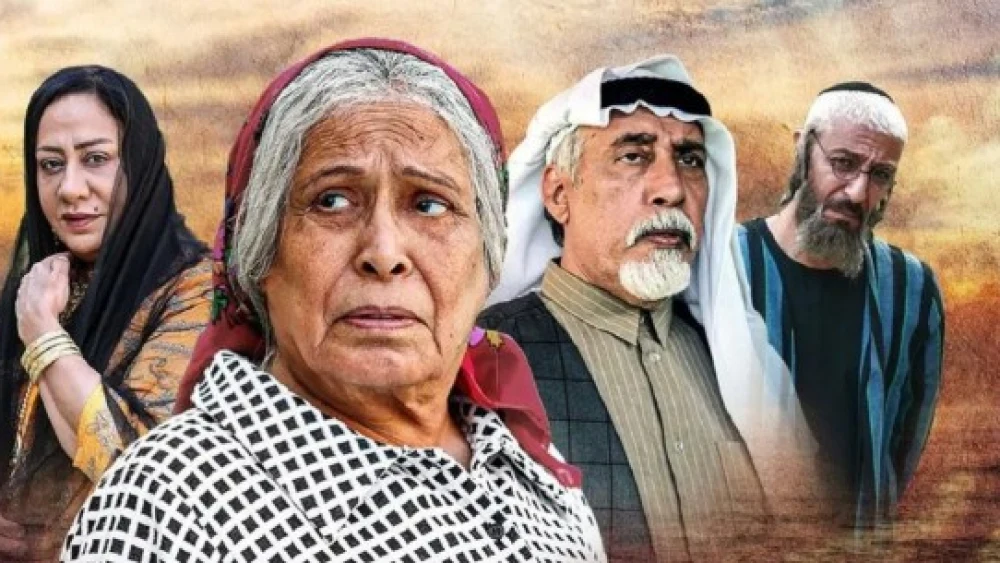
A Ramadan TV series aired by the private Saudi-owned satellite channel MBC that shows Jews in a positive light has drawn the ire of some in the Arab world, who say it promotes the normalization with Israel at a time when the Jewish state is planning to annex parts of the West Bank.
The show, “Umm Haroun” (“The Mother of Aaron”), portrays a Jewish community in the Gulf at the time Israel was founded, according to an AP report published on Sunday.
“I wanted to write this drama to deliver the message that our societies were much more tolerant than they are today, and people should go back to the same values,” Ali Shams, the show’s head writer, told the AP. However, he added that “we differentiate between Jews and Israel. Israel occupied Palestine and committed atrocities against the Palestinian people.”
Producer Emad al-Enazy said the show was developed by MBC, Kuwaiti and UAE production companies, with no government involvement. The show, he said, had nothing to do with normalization.
“Our work has nothing to do with politics or normalization. The Palestinian cause is our cause,” he said, according to the report.
The Zionist movement and the formation of the Israeli state led to the persecution of Jewish communities throughout the Muslim world, with many emigrating to Israel or other countries as a result. Israeli relations with the Gulf states have grown stronger as the threat from Iran and its allies has increased. Media in the Arab world is strictly controlled by authoritarian rulers.
Another Saudi-made show, called Exit 7, has also sparked controversy. In one clip, according to the report, two characters debate the Palestinian situation, with one defending them and the other saying he would be happy to do business with Israel and accusing the Palestinians of being ungrateful for Saudi aid and saying they would attack the country if they could.
There have been calls online to boycott the MBC channel over the new shows, while Cairo-based Union of Arab Television Producers called for them to be canceled.