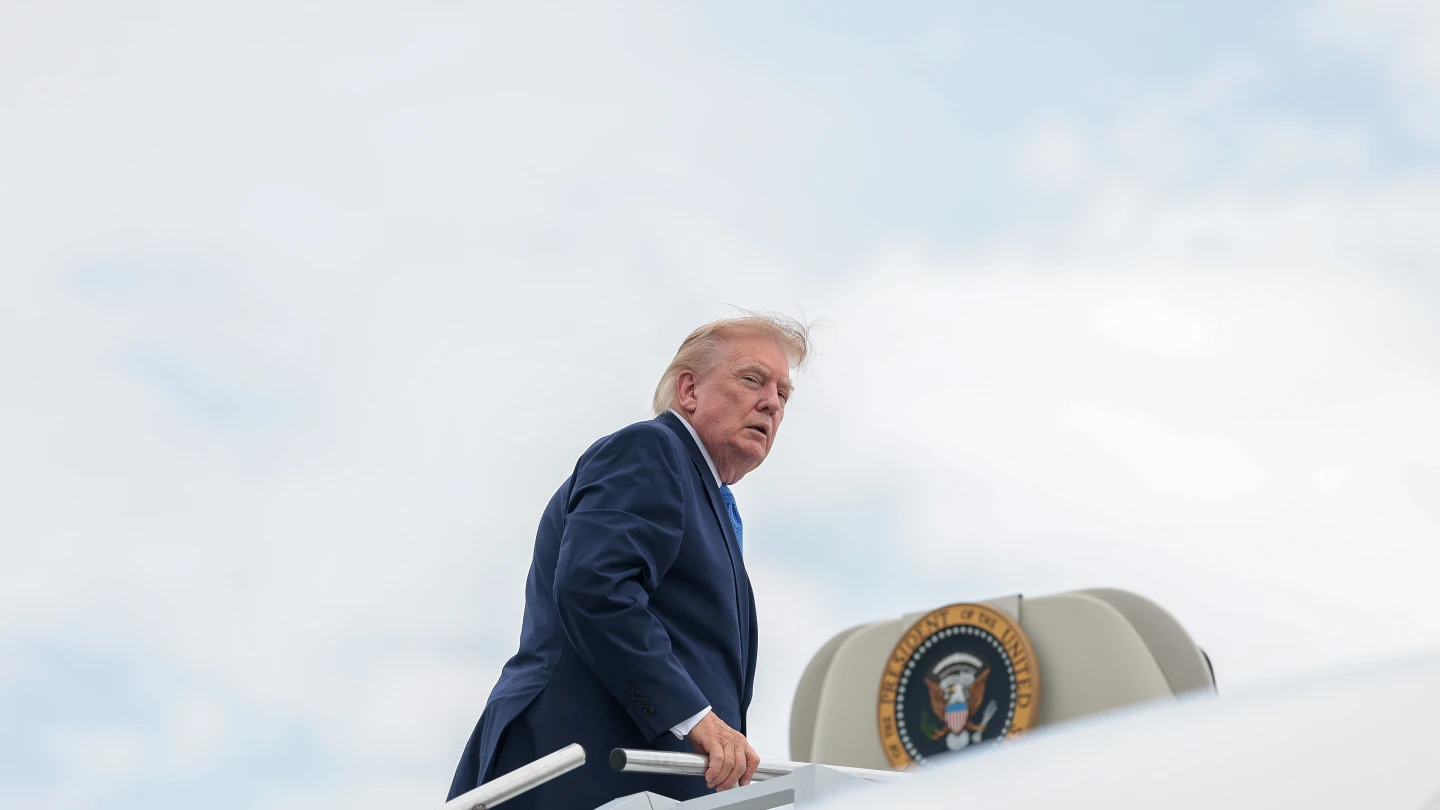
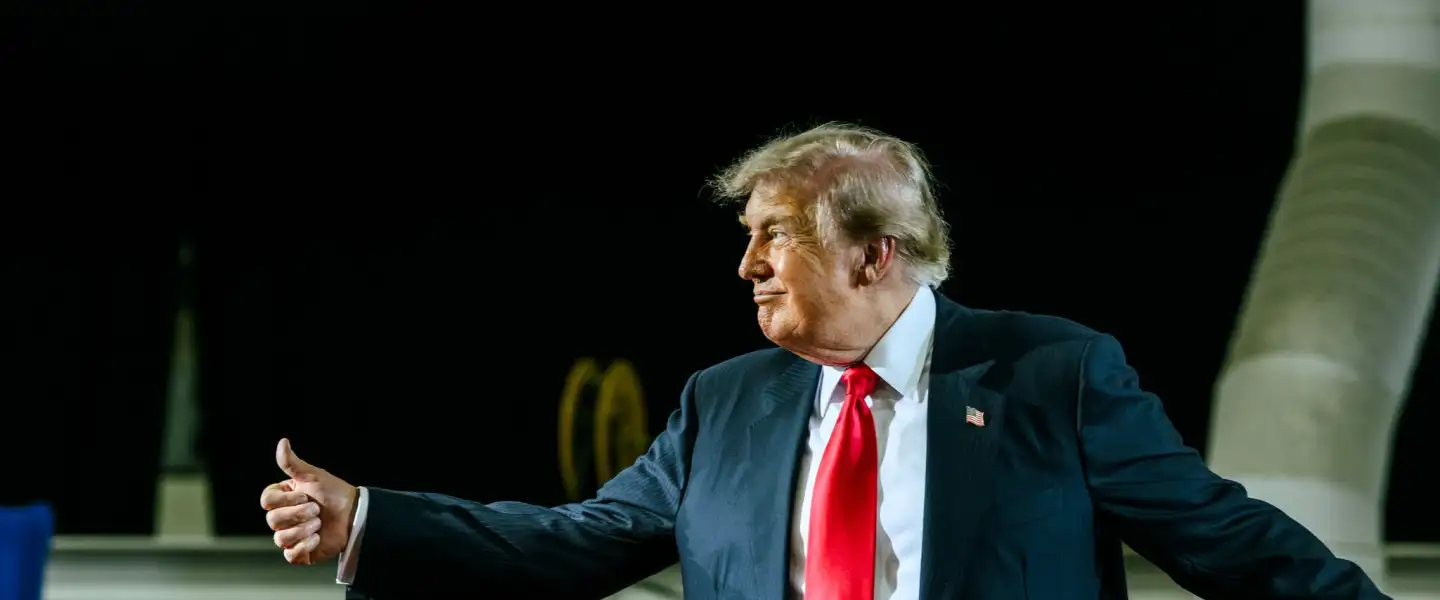
A senior White House official denied on Wednesday a report that U.S. President Donald Trump plans on laying out his Mideast peace plan to Arab leaders before the upcoming Israeli elections on Sept. 17.
According to a report by Israel’s Yediot Achronot newspaper, senior White House adviser and presidential son-in-law Jared Kushner was set to invite Arab leaders from the Middle East to a peace conference in the United States.
Kushner began his trip to the Middle East on Wednesday, meeting with Jordan King Abdullah II in Amman, and afterwards, with Israeli Prime Minister Benjamin Netanyahu in Jerusalem. He is scheduled to hold meetings in Egypt, Qatar, Saudi Arabia and the UAE.
The current thinking, according to a Washington official quoted in the report, is that Netanyahu would not join the Camp David conference, so as not to make it difficult for Arab leaders to attend.
The recent decision unanimously approved by the security cabinet to build 700 housing units for Palestinians in Area C of the West Bank was meant to help Kushner to convince Arab leaders to attend the peace conference, according to the report.