How should the Bialystok ghetto uprising, which began on Aug. 16, 1943, be understood 80 years later?
“I see it as one of countless acts of resistance by Jews in ghettos and Nazi German concentration camps across Europe—to reject their dehumanization, to reaffirm their dignity,” said Antony Blinken, the U.S. secretary of state. “Acts not of futility, but of bravery.”
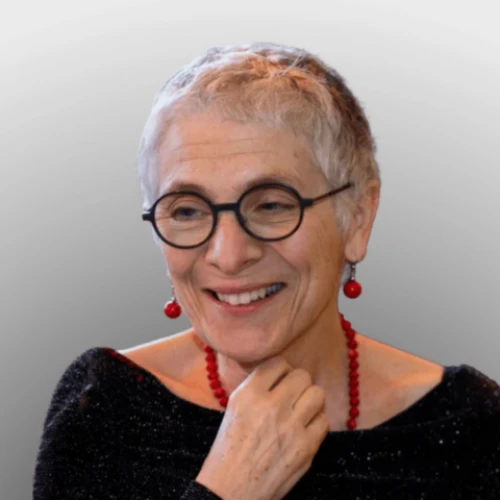
Blinken, who is Jewish, addressed a gathering in Bialystok, Poland via prerecorded video message. The U.S. ambassador to Poland, Polish ambassador to the United States and Blinken’s mother, Judith Pisar, whose late husband Samuel Pisar (Blinken’s stepfather) survived the ghetto, attended in person.
“Eighty years ago, no one would have dared to imagine a gathering like this,” Blinken said. “Survival simply was not in the cards when, on August 16, 1943, hundreds of Jewish men and women in the Bialystok ghetto led an uprising against the Nazis—a rebellion, as one leader put it, to determine how, not whether, they would die.”
As more and more survivors pass away, they pass on the responsibility to “relay and to grapple with that history,” according to Blinken.

“For that reason, I’m grateful to the city of Bialystok, to its leaders, and to its citizens for recognizing this day, among other steps you have taken to ensure coming generations know what happened here,” he said.
He added that the Biden administration is working with Congress to invest $1 million in creating a virtual Auschwitz-Birkenau tour, “so that more people who can’t visit can experience the indelible impact of seeing that site.”