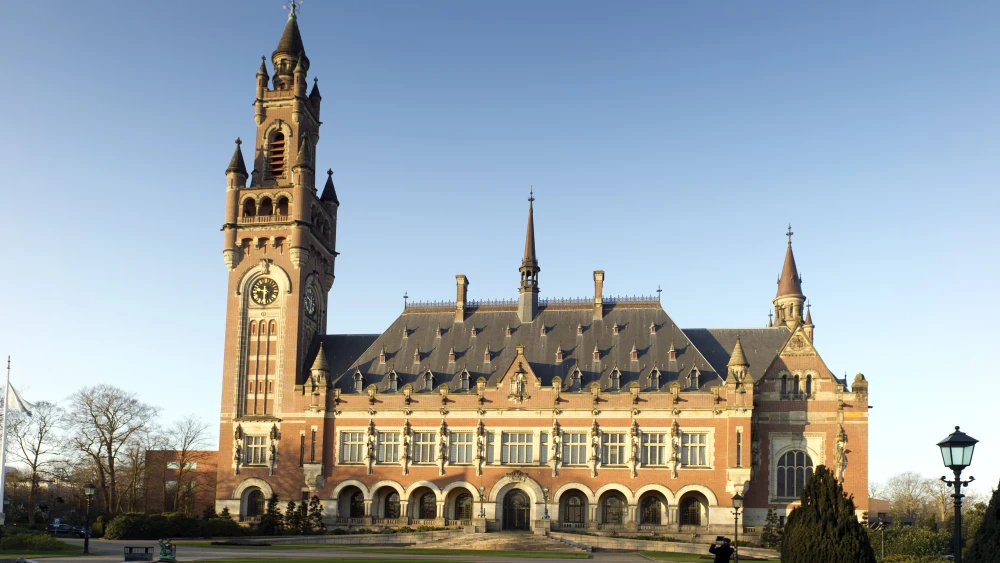
Madrid announced on Thursday it will apply to join South Africa’s genocide case against Israel at the International Court of Justice.
“We take the decision because of the ongoing military operation in Gaza,” said Spanish Foreign Minister José Manuel Albares. “We want peace to return to Gaza and the Middle East, and for that to happen we must all support the court.”
Spain is the second European country after Ireland to request to intervene in the case, joining Mexico, Colombia, Nicaragua, Libya and the “State of Palestine.”
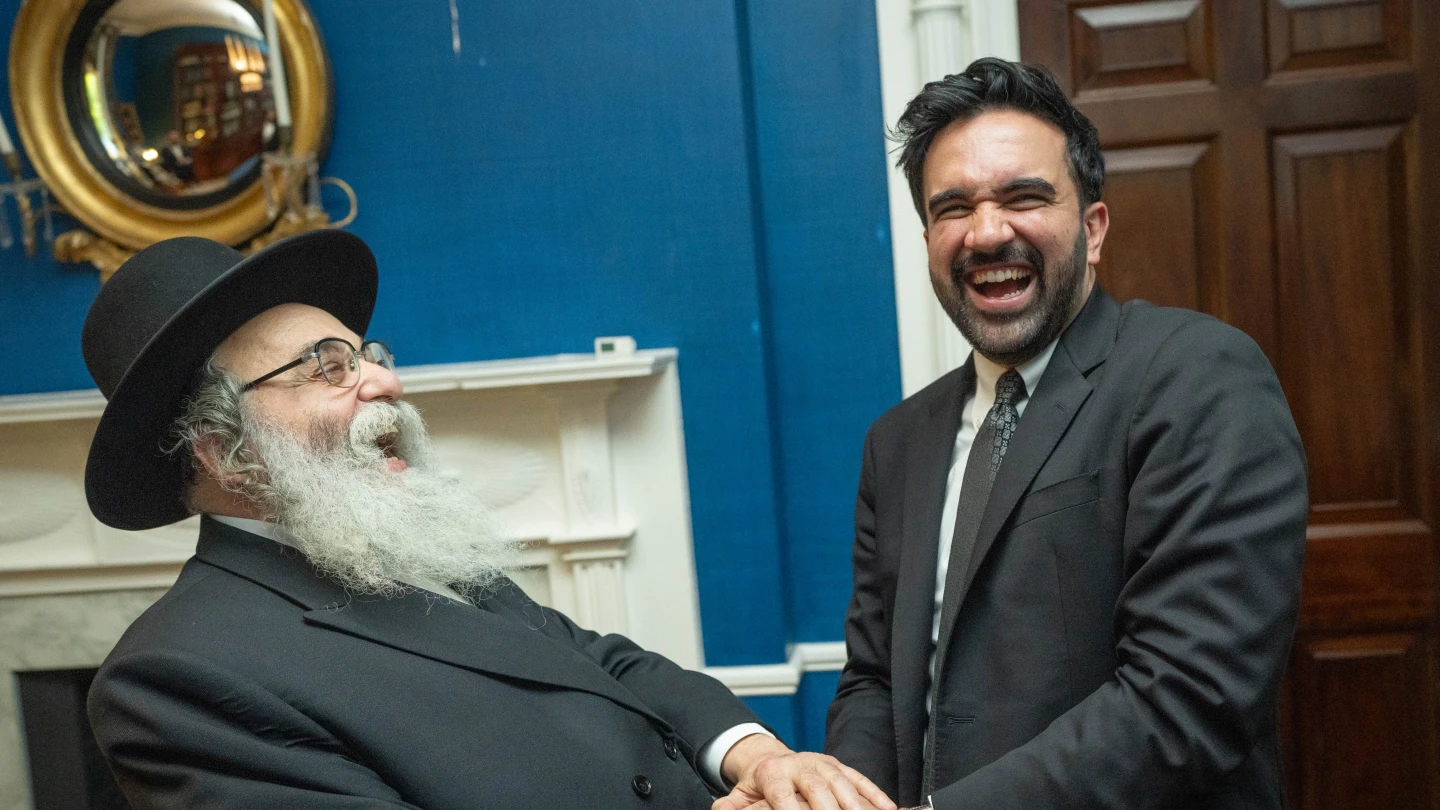
The European Jewish Association criticized Spain’s move in a statement, saying that Madrid had “lost its way.”
“The Spanish Government has lost its way. They have lost their sight. They have lost their bearings, and they are deaf to what happened on October 7th,” the statement reads.
“There is no genocide in Gaza. There is a war—a horrible war—but a war nonetheless. A war, we remind the Spanish government, that could be over tomorrow if Hamas released what remains of the hostages they dragged to Gaza after murdering, raping and beheading many innocent Israelis, including babies, women and the elderly,” it continues.
“A clear message has been sent to Jews everywhere in Spain and across Europe by the Spanish government: ‘We do not recognize the right of Jews to defend yourselves against terror.’ That it comes from a country that expelled Jews, burned them at the stake, and whose Vice-President herself called for Jewish genocide ‘from the river to the sea,’ only confirms the sad depths to which the Spanish government has now sunk.”
Around two weeks ago, the Spanish government recognized “Palestine” as a state, along with Ireland and Norway. In response, Israel’s Foreign Minister Israel Katz sent a letter last week to the Spanish authorities forbidding Madrid’s consulate in Jerusalem from providing services to residents of the Palestinian Authority.
The Spanish government’s plan to open an embassy in Ramallah then hit a snag as Spanish diplomats based in Israel refused to move to the city, according to Spanish media.
The diplomats, currently located in Jerusalem and Tel Aviv, cited safety and quality of life concerns, according to Spanish news site OKDiario.
South Africa instituted proceedings against Israel at the ICJ on Dec. 29, 2023, requesting that the court issue provisional measures against Israel under the genocide convention, including ordering an immediate ceasefire.
On Jan. 26, the court rejected the request, calling in its ruling for Israel to uphold its obligations under the convention.
South Africa then returned to the ICJ on March 6 with a new filing, claiming that it was compelled to do so “in light of the new facts and changes in the situation in Gaza—particularly the situation of widespread starvation.”
On March 28, the ICJ approved additional measures, ruling that Israel must ensure Gaza residents be given access to additional food, clothing, sanitation and medical assistance. The ICJ also demanded that Israel increase the number of land crossing points into the Gaza Strip for supplies.
In May, South Africa sought to impose emergency measures on Israel, this time citing the latter’s military operations in Rafah.
Echoing its Jan. 26 ruling, the court indicated that Jerusalem must “immediately halt its military offensive and any other action in the Rafah governorate which may inflict on the Palestinian group in Gaza conditions of life that could bring about its physical destruction in whole or in part.”
As noted by ICJ Vice President Julia Sebutinde of Uganda, the measure does not prohibit Israel’s military from operating in Rafah, but “only operates to partially restrict Israel’s offensive in Rafah to the extent it implicates rights under the genocide convention.”
Meanwhile, former Israeli Supreme Court President Aharon Barak has resigned from the panel of judges at the ICJ, citing “personal family” reasons, Israel Hayom reported on Thursday. The Israel government now must decide whether to appoint a new judge to replace Barak in The Hague.