Newsletter
Newsletter Support JNS
Israel Kasnett

Israel Kasnett

Israel Kasnett, editor at the Jerusalem Center for Security and Foreign Affairs, offers expert analysis on Israeli politics, society and regional developments at JNS.org. With a deep understanding of the region, he delivers insightful commentary that challenges media bias and provides a clear perspective on Israel.

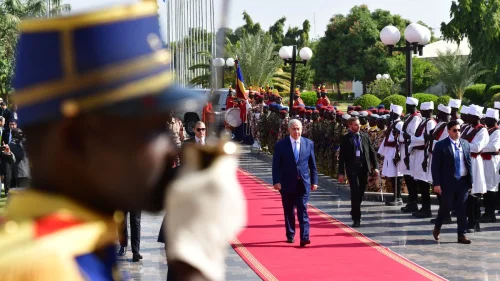
Israel’s popularity in Africa has grown, even among Muslim-majority nations. And these countries want its expertise in technology, agriculture, security, trade, water management and more.
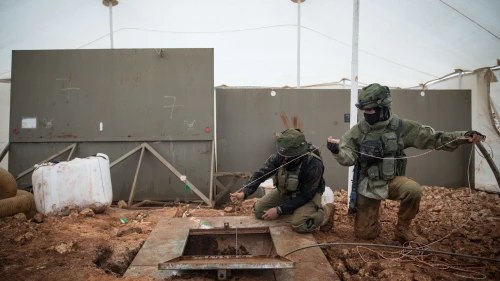
While Israel has been successful with its air strikes in preventing Iran from establishing permanent air, naval and missile bases, U.S. and Israeli experts contend that Iran still remains determined to open a second front against Israel in Syria.
Amid ongoing threats from Iran, Hezbollah and Hamas, David Petraeus, retired U.S. Army General and former CIA director, said: “I think Israel has a very substantial deterrent posture.”
“Israel has become an important international player, and it must assume its responsibilities. Recognizing [opposition leader Juan] Guaidó was the right thing to do—not only as a matter of principle, but also as a matter of interest.”
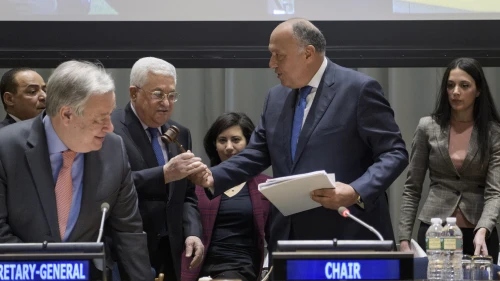
While it may appear that the Palestinians are slowly managing to achieve their goal of achieving full U.N. membership, the likelihood of this happening still remains slim.
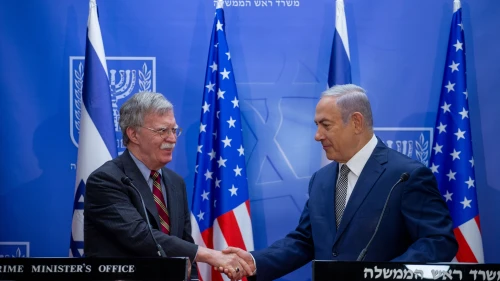
Amid shifting U.S. policy on Syria, Israeli Prime Minister Benjamin Netanyahu for the first time publicly lobbied the United States to recognize Israeli sovereignty in the Golan.
The goal is to avoid a larger conflagration among the different powers involved.
With the withdrawal of U.S. troops, the country now falls prey to Iran, Russia, Turkey, Lebanon, Hezbollah and other players seeking to control lucrative territory.
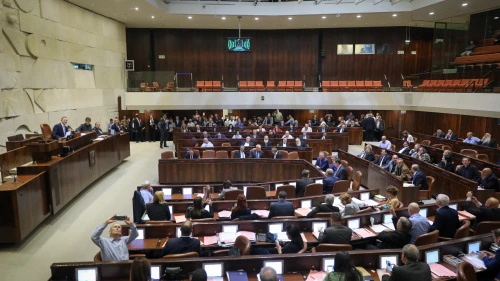
The principle questions: Why elections now, what will they focus on, and which individuals are throwing their names into the fray?
Some excitement—and perhaps a lot more doubt—has been swirling in political and academic circles about the ongoing nature of Jerusalem’s Gulf-oriented approach to diplomatic, and hopefully, economic relations.
First, Chad, and then maybe Sudan and Mali, could form ties that would help the Jewish state in international forums, such as the United Nations.
This year’s program focused on strengthening the rule of law, advancing economic freedom and free trade, and featuring contributions from the fields of innovation and technology that benefit individuals around the world.