Newsletter
Newsletter Support JNS

Rafael Medoff

Dr. Rafael Medoff is founding director of the David S. Wyman Institute for Holocaust Studies.

What does Roosevelt’s mass internment of the Japanese have to do with his response to the Holocaust? More than you might think.
It is not widely known that the history of the Tuskegee pilots is connected to the controversy over the Roosevelt administration’s refusal to bomb Auschwitz.
Is it really a source of pride for American Jewry if its leaders aspire to be presidents-for-life?
It’s unfortunate that many Diaspora Jews are temporarily unable to attend family events in Israel, but in the greater scheme of a global pandemic, it is hardly “tragic.”
The idea of using military force against mass murderers is no mere history lesson; it is a strategy for a better world.
The policy was manifest most notoriously in the autumn of 1938, when the British and French acquiesced in the dismemberment of Czechoslovakia in the name of “peace in our time.”
The president who presented himself to the public as a humanitarian and a champion of the downtrodden went out of his way to maintain good diplomatic and economic ties with the world’s most brutal violator of human rights.
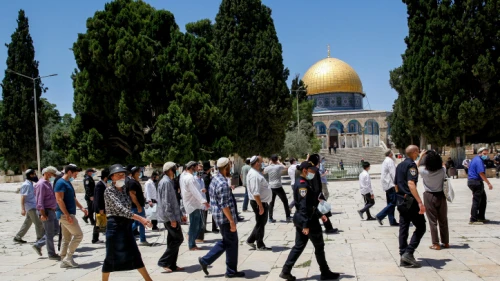
A public disagreement between Reform Rabbi Eric Yoffie and Orthodox Rabbi Meir Soloveichik regarding Jewish prayer on the Temple Mount represents an opportunity to reflect on the lessons of history.
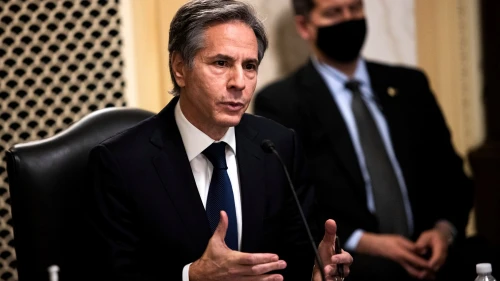
From the secretary of state’s recent remarks, one could erroneously conclude that it was actually Assistant Secretary of State Long, not President Roosevelt, who decided that the U.S. should refrain from intervening to aid European Jewry.
Increased public interest in the history of North African Jewry is a welcome byproduct of Israeli-Moroccan normalization, but the less pleasant side of that history must not be glossed over.
Any survey of the former president’s record needs to also consider his troubling decision, in 1944, to delete references to Jews from an Allied warning about Nazi war crimes.
American Jewish organizations had high hopes for the United Nations and actively promoted its establishment. Yet it wasn’t long before its limitations and biases began to emerge.