Newsletter
Newsletter Support JNS

CENTCOM establishes air, missile defense operations cell in Qatar

“This is a significant step forward in strengthening regional defense cooperation,” CENTCOM commander Adm. Brad Cooper stated.

US Qatar military air force
A U.S. Air Force B-52 Stratofortress aircraft assigned to the 96th Expeditionary Bomb Squadron flies with Qatari Rafale (right) and U.S. F-16 fighter jets (left) during the “Ferocious Falcon 6” exercise in the U.S. Central Command (CENTCOM) area of responsibility, Nov. 17, 2025. Illustration by Tech. Sgt. Nicholas A. Monteleone/U.S. Air Force Photo.

U.S. Central Command and regional partners opened a new air and missile defense coordination cell at Al Udeid Air Base in Qatar on Jan. 12, the command announced on Tuesday.

The cell is meant to “enhance coordination and integration for air and missile defense efforts among regional partners,” according to CENTCOM.

“This is a significant step forward in strengthening regional defense cooperation,” CENTCOM commander Adm. Brad Cooper said.

The hub, called the Middle Eastern Air-Defense – Combined Defense Operations Cell, is located within the Combined Air Operations Center and includes personnel from the United States and partner countries. CENTCOM said the center already includes representatives from 17 nations who coordinate military air operations across the region.

U.S. Air Force Central service members will work with regional counterparts to plan exercises, conduct drills and respond to contingencies. The cell will also be responsible for sharing information and threat warnings.

“The opening of MEAD-CDOC follows the opening of two bilateral Combined Command Posts for air and missile defense by U.S. Army Central with Qatar and Bahrain last year,” the command said.

“Pittsburgh parents deserve complete transparency, intellectually honest instruction and an assurance that their children’s education is being guided by academic excellence rather than ideological objectives,” Steve Rosenberg, of NAVI, told JNS.
Q&A
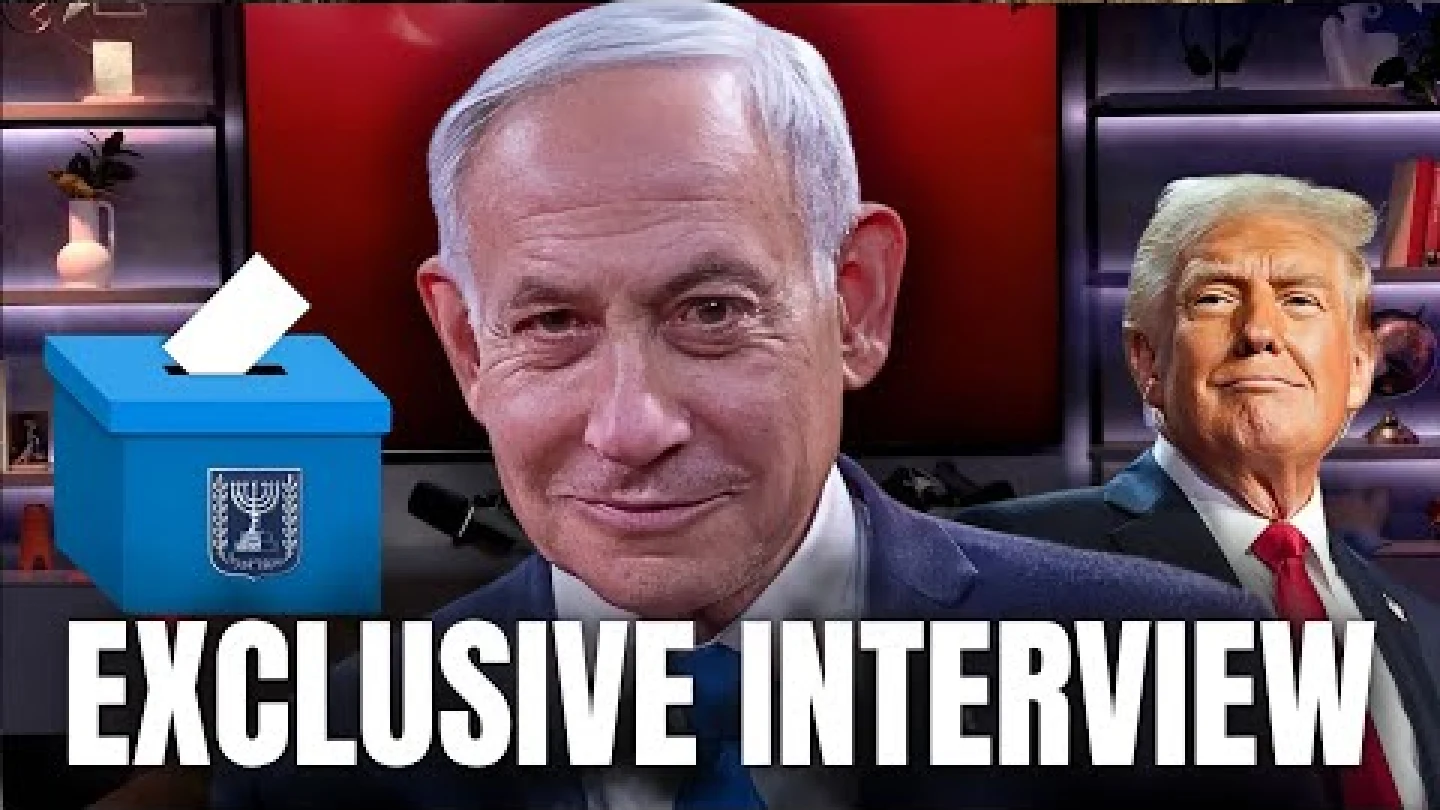
In a wide-ranging pre-election interview with JNS, Israeli Prime Minister Benjamin Netanyahu discusses his alliance with U.S. President Donald Trump; the necessity to act against Iran; expand the Abraham Accords; tackle domestic challenges, including reintroducing judicial reforms; and further strengthening the Israeli economy.
Metropolitan Police are treating the assaults as a hate crime following swift intervention by Shomrim volunteers.
A central message of the prime minister’s campaign is that the “change camp” can’t win without the support of Arab parties.