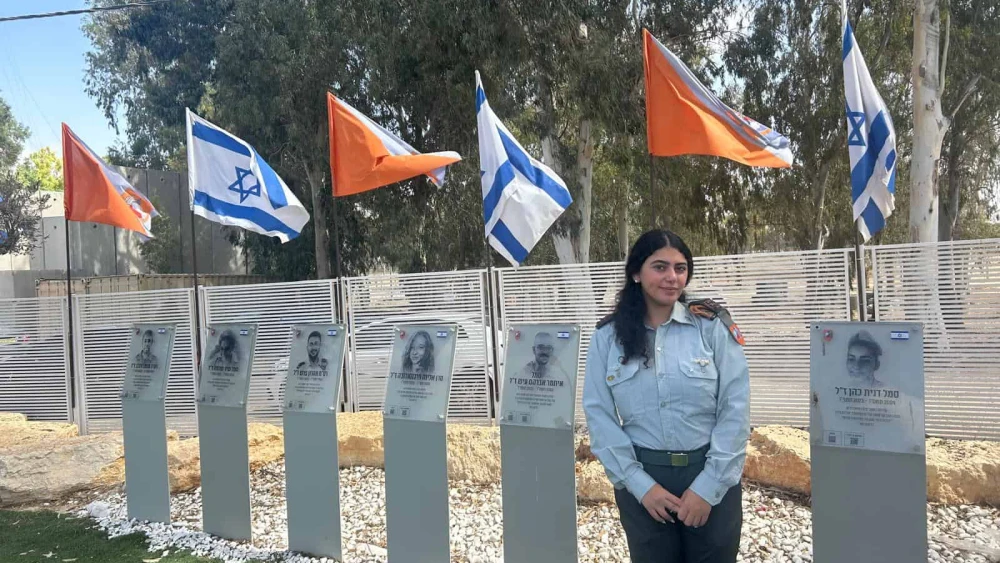
Traveling from Tel Aviv to Ofakim—about 60 miles south—and then another nine miles by taxi along Route 241 and the infamous Route 232, we reached the IDF Home Front Command base near Kibbutz Urim, where we met War Room commander Capt. Gaya Shimsilshvili.
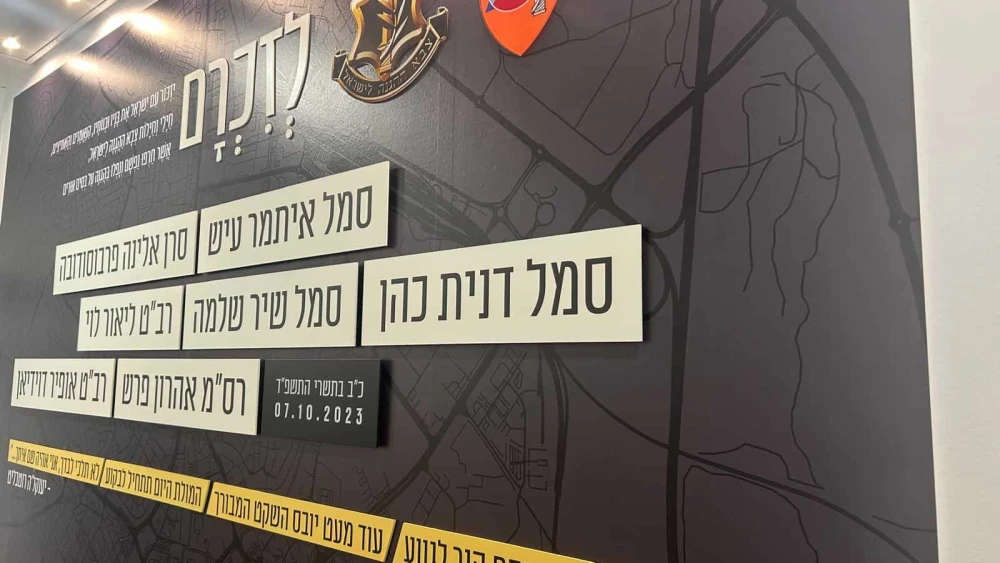
Eight IDF soldiers were murdered at the base on Oct. 7, 2023, when Hamas terrorists invaded Israel, killing some 1,200 people and abducting 251 others. Among the slain were Sgt. Danit Cohen, Cpl. Lior Levy and Sgt. Shir Shlomo, who served under Shimsilshvili as operations sergeants in the Home Front Command’s Southern District.
The Home Front Command, a key branch of the Israeli military, is tasked with alerting the public to security threats, guiding civilians on protective measures and coordinating emergency responses.
The Urim base is surrounded by other IDF installations that were part of the defensive line on Oct. 7. About 12.5 miles from the Gaza Strip, it was the most distant base infiltrated by Hamas that day.
On Oct. 7, 10 Hamas terrorists breached the perimeter of the base and stormed the war room, where the operations sergeants were issuing alerts.
“The operations sergeants’ job is to determine where there are red alerts, assess what has happened, decide if forces need to be deployed and coordinate between them. During the infiltration, they continued performing their duties until the very last minute. The commanders who needed updates received them throughout the chaos and firefight at the base,” Shimsilshvili told JNS.
Shimsilshvili noted that the operations sergeants also warned reservists en route to the base and nearby soldiers not to enter, alerting them that terrorists had infiltrated the facility—saving many lives while sacrificing their own.
Some, like Sgt. Adi Grumman and Sgt. Maj. Aharon Farash, who had been spending Shabbat in nearby Ofakim rather than at the base, did not hesitate to rush to the facility to defend it—and paid the ultimate price with their lives.
Capt. Alina Pravosudova, responsible for the Bedouin sector, along with Cpl. Itamar Ayash and Cpl. Ofir Davidian—who was spending her very first Shabbat on base as a soldier—also perished defending the facility.
“It was complete chaos, but everyone here came to help—even soldiers from neighboring battalions, many of whom were injured, and one of whom was killed. It was heroic,” Shimsilshvili said.
“Aside from Capt. Alina Pravosudova, the commanders here weren’t combat soldiers. Yet they held weapons and acted with extraordinary courage and bravery,” she added.
The Urim and Zikim bases, located along the Gaza border, were the only IDF installations targeted on Oct. 7 that were not overrun.
“No terrorist who entered here with the intent to kill left alive,” Shimsilshvili said.
Shimsilshvili was in the United States on Oct. 7 and returned to Israel two days after the massacre.
“I was able to attend only one of the Hazkarot [Jewish memorial ceremonies] for our soldiers. That marked the beginning of the process of supporting the bereaved families,” she said.
“My relationship with the operations sergeants who fell was very special. I was their commander, and we continue that bond with their families—whether it’s attending the wedding of Lior Levy’s older sister or any other event the families invite us to,” she added.
Shimsilshvili noted that much has changed at the base and across the country in terms of awareness. More civilians are now armed, and the approach to security has fundamentally shifted.
“After Oct. 7, we made improvements and implemented lessons learned. More people are on shift at the base, and there is a stronger emphasis on preparedness. If once we thought of protecting the base against one isolated terrorist who came from within the country, today we think of protecting it from Hamas-trained squads from Gaza,” she said.
Many officers who customarily did not carry a firearm before Oct. 7 now choose to do so.
“The number of weapons has increased in all IDF camps, but it’s often an individual decision. Every officer, commander, or combat soldier is eligible,” she said.
Shimsilshvili recalled being at the base on Oct. 9, amid the destruction, standing in the war room where her soldiers were killed, surrounded by shattered walls. She described it as emotional to return and sing “Hatikvah” two years later, remembering the images of terrorists tearing down the Israeli flags.
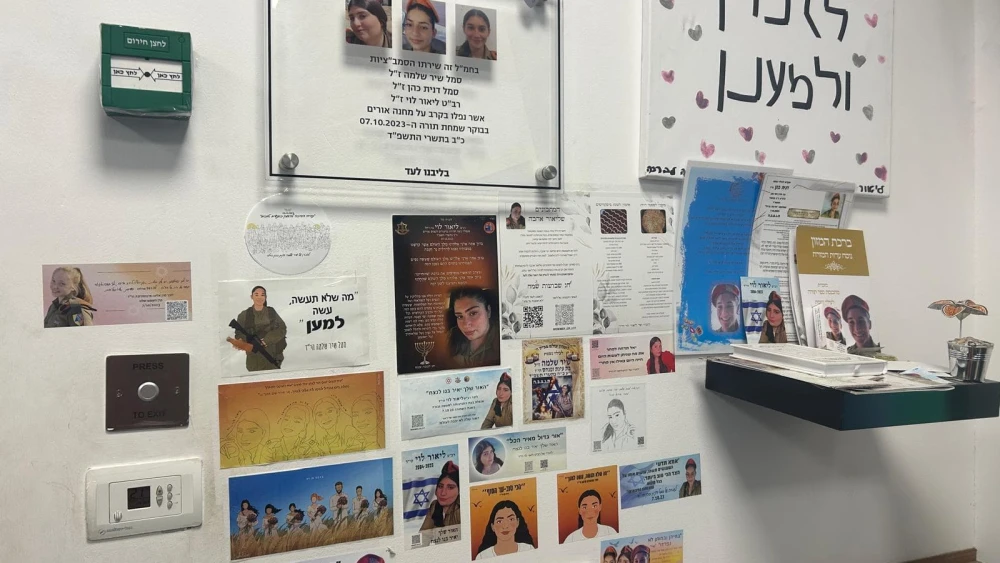
Although today there are no visible signs of destruction at the base, photos of the fallen soldiers and remembrance corners have been established to honor their bravery and tell their story.
“Entering the war room, you see the soldiers’ photos. We take every opportunity to speak of them and never forget. Remaining an officer at the same base helps me process everything and ensures my soldiers are remembered,” she said.
“I can’t always feel happy because I have flashes from that day, but it also shows that they won’t defeat us. Our base resumed operations less than a day after Oct. 7, with thousands of soldiers stationed here and life returning,” she added.