Israeli authorities removed restrictions on Gaza-area communities on Sunday morning, allowing Israeli citizens to gather in public, stray farther than sprinting distance from bomb shelters and work their agricultural fields, due to a ceasefire put in place between Israel and Hamas.
Following a barrage of almost 200 rockets fired into Israel from Gaza on Saturday, Israel launched a series of powerful reprisals, striking dozens of terror targets and leveling a Hamas urban combat training facility situated over a massive underground terror and black market smuggling tunnel. Israel announced that the counter-strikes represent the largest anti-terror campaign in Gaza since “Operation Protective Edge” in 2014.
Rocket attacks against Israeli population centers near the Gaza border began at 1:30 a.m. on Saturday. More than 100 of the rockets and mortar shells fired from Gaza landed in open fields, and 30 of them were intercepted by the Iron Dome missile-defense system.
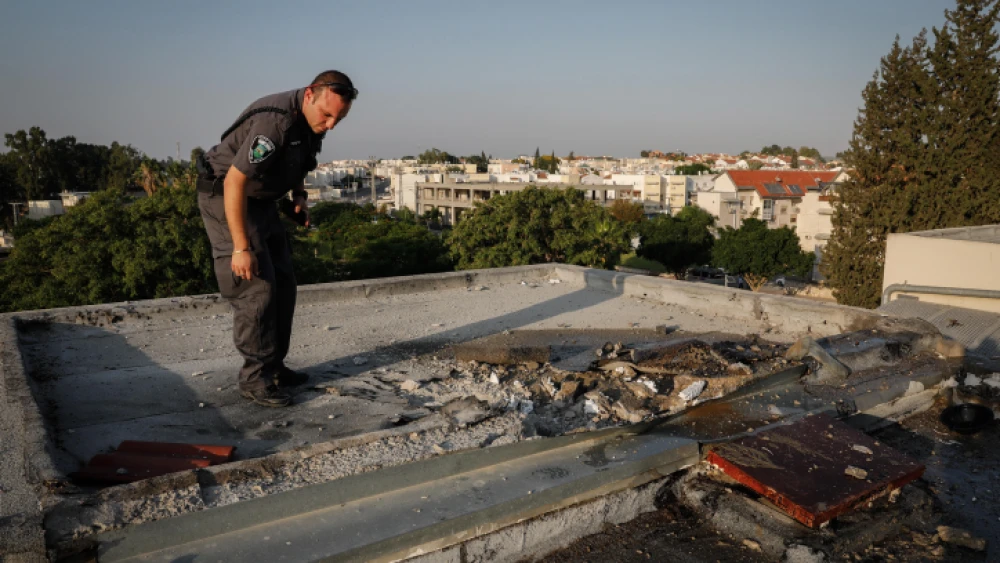
Three Israelis were wounded and several were treated for shock when a home and a synagogue in the town of Sderot suffered direct hits. Additional rockets fell in some communities, causing some damage to buildings and infrastructure.
Israel’s first airstrikes were carried out Saturday after an IDF officer was injured by a grenade lobbed at him by a Gazan rioting along the Gaza border on Friday.
On Saturday night, Hamas and the Palestinian Islamic Jihad terrorist groups called for a ceasefire with Israel, following intervention by Egypt and other international bodies. Some Israeli politicians criticized Israeli Prime Minister Benjamin Netanyahu for acquiescing to a ceasefire, saying the deal was just a ploy by Hamas and partner organization Islamic Jihad to regroup before launching a new round of attacks against Israel.
“Allowing Hamas to dictate the terms of the ceasefire to us after two months of arson attacks and hundreds of rockets on the residents of Gaza border communities is a serious mistake,” said Education Minister Naftali Bennett. “Showing restraint creates an escalation in violence.”
Bennett referred to the thousands of arson fires that have been started in and around Gaza border communities by Gazans flying incendiary kites and balloons on a daily basis since April. Damage to Israeli agricultural and nature preserve lands is estimated in the millions of dollars.