


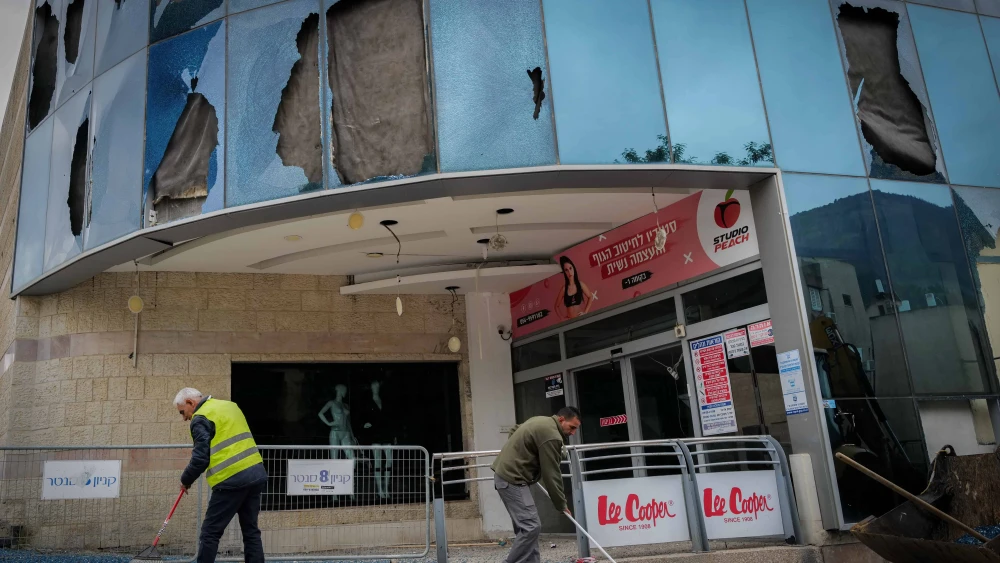
Israel’s government on Sunday unveiled a 3.4 billion shekel ($933 million) plan for encouraging the return by March of some 60,000 residents who had been evacuated from at-risk locales near the border with Lebanon.
Finance Minister Bezalel Smotrich and Ze’ev Elkin, who serves as an additional minister in the Finance Ministry, announced the plan, which offers incentives for all returning residents and additional ones to those willing to leave their state-funded accommodations by early March.
Those who return by March 7 will be eligible for a grant of 15,360 shekels per adult and half of that for each child ($4,217 and $2,108 respectively.) The grant will be halved with each passing month, down to a minimum of $526 and $263 for those who return after June 2.
All returnees will be eligible for an additional 10,000 shekel grant ($2,746) per adult and half of that per child regardless of their return date. The extra grant is meant as compensation for disuse damage to houses and property during the residents’ absence. War-related damages are paid separately pending individual appraisals by the tax authority and regardless of whether and when they return.
The National Insurance Institute, which is responsible for paying out the grants, said in a statement that it could only start paying them in May.
Smotrich in announcing the plan focused on allaying returnees’ safety and security concerns. “The key to returning home is security. We do not intend to compromise on this issue. Hezbollah has suffered a very severe blow, and today we see determined and uncompromising enforcement. We will not allow the threat to re-emerge, not on the northern border nor on the northern residents,” he said.
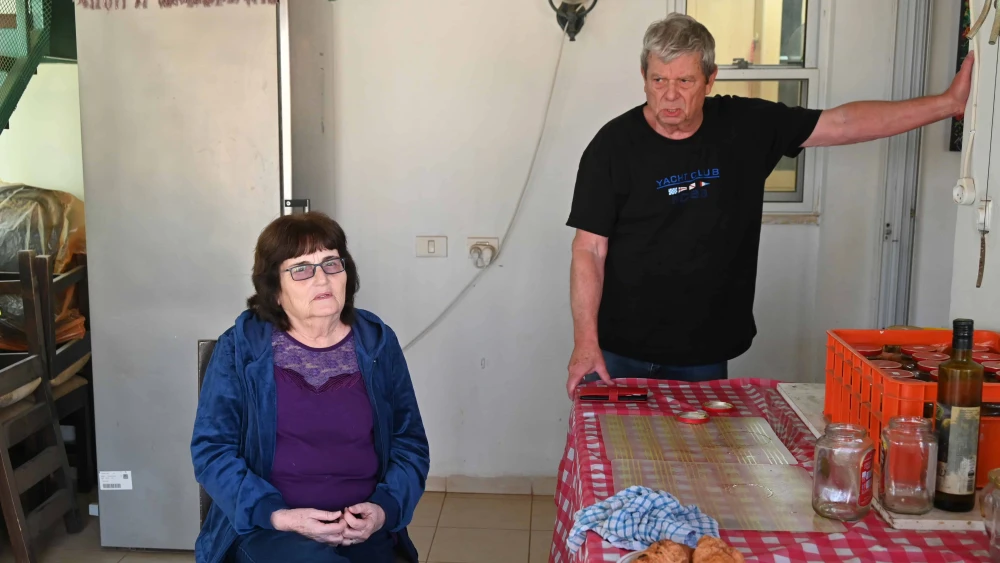
“I promise the residents: we will not return to 20 years of containment. We will not allow the re-establishment of terror bases—not on your homes and not near them. You are returning to a different security reality, and we will ensure that this peace is maintained for years to come.”
Hezbollah, which had spent years amassing a formidable arsenal against Israel in Lebanon, began firing rockets daily into Israel on Oct. 8, 2023, in solidarity with Hamas, whose terrorists attacked Israel the previous day.
Israel evacuated at-risk communities and responded with measured retaliations until Sept. 17, when it initiated a counteroffensive that crippled Hezbollah, killed its upper echelon and forced it to accept a ceasefire that stipulated its withdrawal away from the border area.


