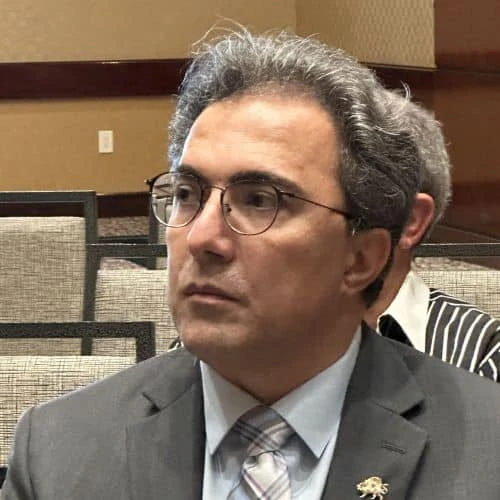
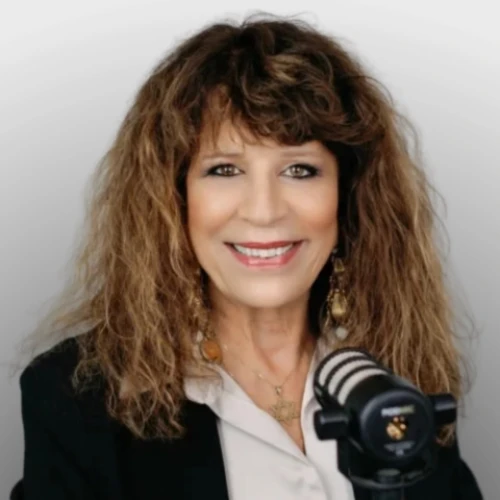
Francesca Albanese, the U.N. special rapporteur on the “Palestinian territories,” described the Trump administration’s recent decision to sanction her over antisemitism and support for terrorism as “scary” and as setting a “dangerous” precedent.
The Italian lawyer, academic and activist claimed in comments to Reuters on Friday that “there are no red lines anymore,” adding that she now faces asset freezes and potential travel restrictions.
“It might block me from moving around. It will have a chilling effect on people who normally engage with me, because for American citizens or green card holders, this is going to be extremely problematic,” Albanese said, adding, “My plans are to continue what I’ve been doing.”
Secretary of State Marco Rubio announced the sanctions on Wednesday, in the first time a U.N. special rapporteur has been sanctioned by the U.S. for actions related to his or her mandate.
Executive Order 14203 names her a “specially designated national,” and so forbids all U.S. persons and companies from doing business with her.
The American diplomat said Albanese had “spewed unabashed antisemitism, expressed support for terrorism, and open contempt for the United States, Israel and the West,” citing her recommendations to the International Criminal Court to issue arrest warrants for Israeli leaders as evidence of her unfitness for her U.N. role.
Rubio added that Albanese escalated her campaign by sending “threatening letters” to dozens of global entities, including major American companies, urging ICC investigations and prosecutions.
He decried these actions as “political and economic warfare” against the U.S. and Israel, vowing that such campaigns would no longer be tolerated and emphasizing the American commitment to defending its national interests and those of its allies.
Israeli Foreign Minister Gideon Sa’ar responded to Rubio’s announcement with a post on X on Wednesday, describing the U.S. sanctions as “a clear message” and urging the U.N. to take notice.
A clear message.
— Gideon Sa'ar | גדעון סער (@gidonsaar) July 9, 2025
Time for the UN to pay attention! https://t.co/lWVrFMZymg
Sa’ar later amplified a lengthy investigative thread by Middle East analyst Eitan Fischberger, posted on X on Nov. 20, 2024, which delves into allegations of terrorist ties involving Albanese.
🚨Francesca Albanese's Multiple Terror Ties: Time for an Investigation🚨
— Eitan Fischberger (@EFischberger) November 20, 2024
Two years ago, Francesca spoke at a conference organized by Hamas's "Council on International Relations." Yesterday, the council's head, Basem Naim, was finally placed on the US Treasury's terror list 🧵 pic.twitter.com/zIl6PwgVCx
Fischberger’s thread meticulously documents a series of controversial associations and appearances by Albanese, raising questions about her suitability for the U.N. role and intensifying calls for her removal.
According to Fischberger’s X posts, Albanese has a pattern of associations with groups and individuals linked to terrorism. He cited her plan to speak at a Montreal conference with Samidoun’s co-founder (later canceled after public scrutiny), her earlier work at the frequently criticized UNRWA, and her leadership of a network reportedly connected to terror-affiliated figures.
He further references allegations from UN Watch and Hillel Neuer that Albanese misrepresented her background when applying for her U.N. post, and calls for an independent investigation into her conduct due to the seriousness of these allegations.