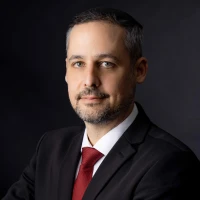
WhatsApp founder Jan Koum is donating $200 million to Shaare Zedek Medical Center in what is being described as the largest philanthropic contribution in the history of Israel’s healthcare system, officials from the Jerusalem hospital told JNS on Thursday.
The donation, made through the Koum Family Foundation, is expected to triple the size of the hospital, which currently has approximately 1,000 beds. Koum, 50, who was born into a Jewish family in Ukraine and immigrated to the United States as a teenager, co-founded WhatsApp in 2009 before selling the messaging platform to Meta for some $19 billion in 2014.
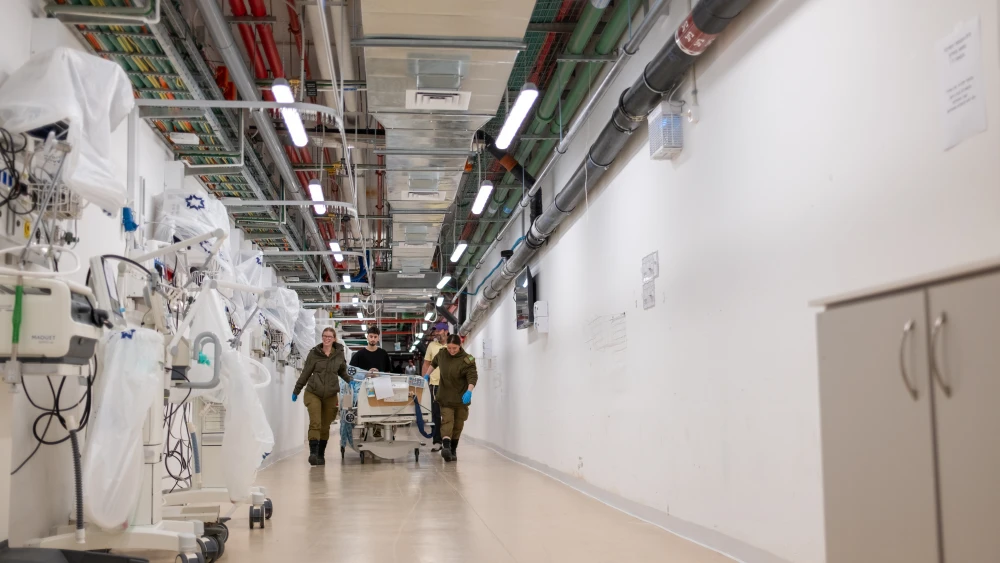
The funds will be used to construct a new “medical tower for medical excellence in Jerusalem,” Shaare Zedek said in a statement on Friday. The 24-story tower will be the “largest and most advanced facility of its type anywhere in Israel,” encompassing more than 1.5 million square feet and designed with the structural integrity to handle “developing regional threats,” it added.
According to a source in Israel’s healthcare system, planning approvals for the new tower are advancing rapidly through Jerusalem’s municipal planning institutions.

“We are proud to partner with Shaare Zedek Medical Center, an institution that defines medical excellence in Jerusalem and beyond,” Koum said in a statement. “This gift reflects our confidence in a future of medical innovation and research that will benefit patients in Israel and around the world.”
The hospital plans to rename itself the Koum Shaare Zedek Medical Center.
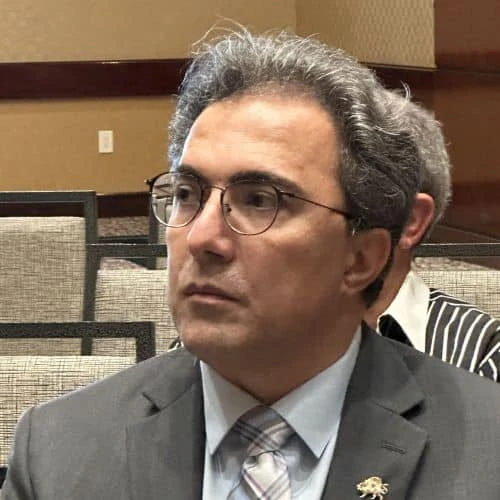
“This is truly a special moment in Shaare Zedek Medical Center’s 124-year-old history,” Shaare Zedek president Jonathan Halevy said. “This record donation by the Koum Family Foundation reflects remarkable confidence in our hospital, our staff, the city of Jerusalem, the nation of Israel and a heartfelt embrace of Zionism. I am sure that this investment in Israeli healthcare will continue to positively impact the Israeli and Jewish people for generations to come.”
The donation followed months of discussions between the hospital and the Koum Family Foundation and a $50 million gift by the Palo Alto-based foundation to Soroka Medical Center last year after it sustained a direct hit from an Iranian ballistic missile in June 2025 that caused heavy damage to the hospital’s surgical wing and laboratories.
The latest contribution surpasses the previous record donation to Israel’s healthcare sector, a $180 million gift made in 2025 by Anat and Shmuel Harlap to the Rabin Medical Center. The two donations reflect a growing trend in which private philanthropy—much of it from American Jewish donors—is increasingly funding major hospital infrastructure projects that the state has not undertaken on a similar scale.
As an independent hospital not affiliated with one of Israel’s health funds, Shaare Zedek relies heavily on philanthropic support to expand and develop its facilities. Officials said the latest donation underscores the widening gap between institutions capable of attracting major private capital and those primarily dependent on government funding.
Koum, who divides his time between California and Europe, has become a prominent philanthropist, supporting Jewish, educational and pro-Israel causes around the world. In recent years, he has donated to several Israeli organizations and initiatives, including the Maccabee Task Force, Friends of Ir David and the Central Fund of Israel.