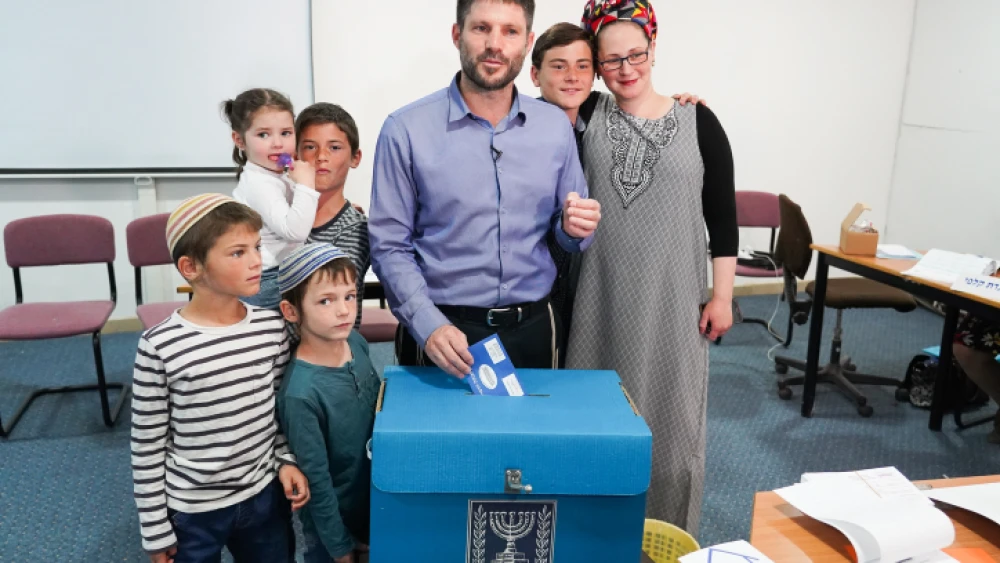
Israel’s Central Elections Committee has banned news outlets from interviewing political candidates on Tuesday, the day of elections, warning that it would prosecute anyone who went against their effort to thwart election-day electioneering.
The decision, announced by Central Elections Committee head Justice Hanan Melcer, was based on laws prohibiting electioneering and campaign advertising from 7 p.m. the night before the nations goes to the polls.
“Candidates by nature bring with them propaganda, and the ban on interviewing is essential for maintaining the principle of equality among candidates,” said Melcer.
The decision marks the first time ever that prime ministerial and Knesset candidates have been prevented from giving interviews, and the decision was immediately appealed.
Melcer has upheld a strict interpretation of laws meant to prevent candidates from using the media for campaign purposes. He acknowledged that news outlets must report on elections, but said no news outlets could report the results of surveys or polls, or show ballot papers prior to the close of polls at 10 p.m.
“If this prohibition is violated, I will apply any sanction I have, including the possibility of criminal prosecution of those responsible,” he warned.
Some channels have taken to interviewing friends and family of the candidates in a bid to get around the rulings.